Building a new structure from the ground up presents a unique opportunity to get the insulation right from the start. Whether you are developing a residential community in Sacramento, a commercial complex in Redding, or an industrial facility in Sparks, NV, the insulation decisions made during the construction phase will affect energy performance, occupant comfort, and code compliance for decades to come.
Working with an experienced insulation contractor during the planning stages is one of the smartest investments a builder or developer can make.
Understanding Regional Climate Demands
Northern California and Sparks, NV sit in climates that push insulation systems to their limits in very different ways. The Sierra Nevada foothills and higher elevations see cold winters with heavy snowfall, while the Central Valley bakes under intense summer heat. Sparks, NV, located just east of Reno in the high desert, experiences wide temperature swings between seasons and even within a single day.
New construction insulation strategies must account for both heating and cooling loads. In Northern California, coastal zones near the Bay Area have mild but damp conditions that demand moisture management alongside thermal performance. Inland zones from Stockton up through Redding contend with triple-digit summers that put enormous pressure on cooling systems. A properly insulated building envelope reduces the strain on HVAC equipment, lowers utility costs, and creates a more stable interior environment throughout the year.
Understanding these regional differences is why a one-size-fits-all approach fails in this geography. An insulation contractor with hands-on experience across Northern California and the Sparks, NV corridor will recommend solutions tailored to the specific climate zone where your project sits.
Navigating California Title 24 and Nevada Energy Codes
Code compliant insulation installation is not optional; it is a legal requirement that directly affects your certificate of occupancy. California operates under Title 24, Part 6, the California Energy Code, which sets some of the most demanding thermal performance standards in the country. New construction projects must meet minimum R-value requirements for walls, roofs, floors, and foundations depending on the specific climate zone in which the project is located.
California is divided into 16 climate zones, and Northern California alone spans several of them. A project in climate zone 1 near the Oregon border faces very different requirements than one in climate zone 12 in the Sacramento area. Builders who attempt to cut corners on insulation specifications during framing often find themselves facing costly corrections before final inspection.
In Nevada, the International Energy Conservation Code serves as the baseline, with Sparks, NV falling under the jurisdiction of Washoe County and the City of Sparks. Commercial insulation services and residential new builds in this area must comply with energy efficiency minimums that align with IECC standards, and inspectors are increasingly rigorous in their review of insulation installation documentation.
Working with a knowledgeable insulation contractor from the earliest design stages allows builders to meet code requirements efficiently, avoid rework, and document compliance with the proper paperwork before the inspector ever sets foot on the job site.
Choosing the Right Insulation Products for New Builds
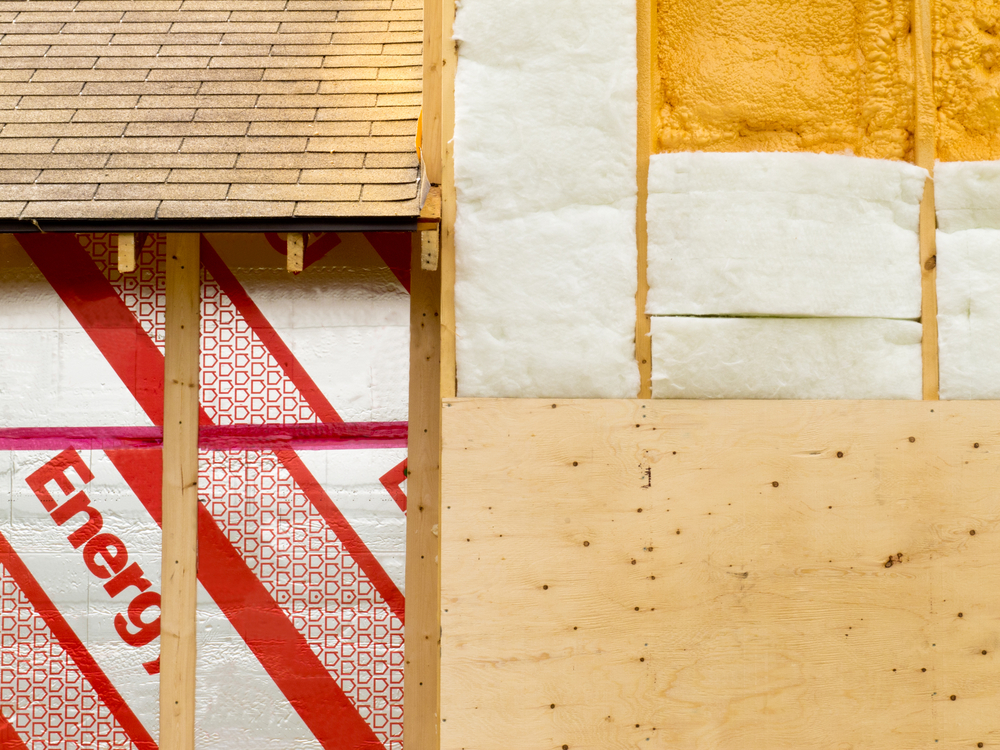
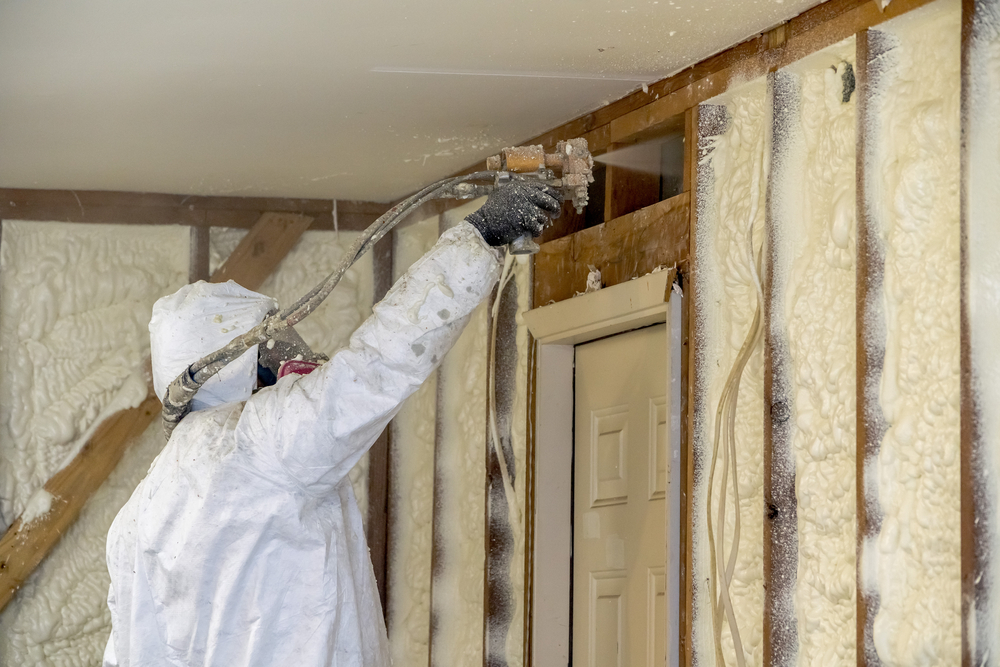
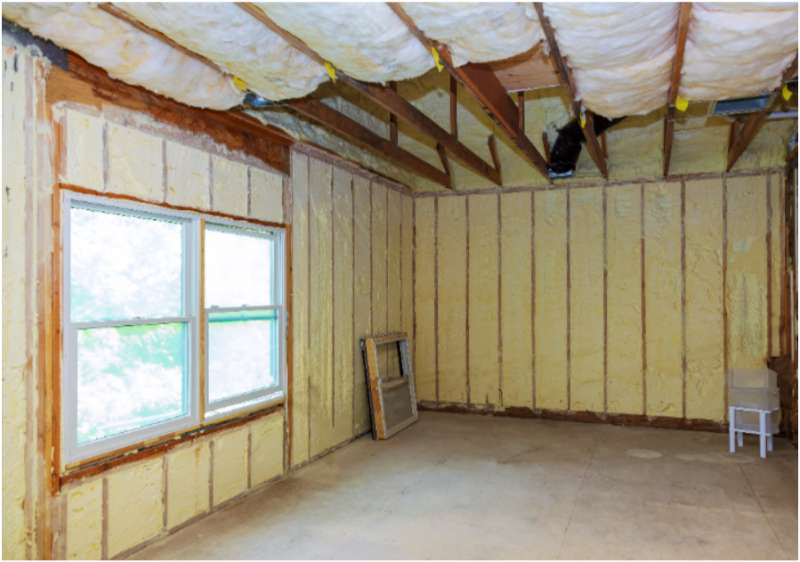
The product selection process for new construction insulation is more nuanced than many builders expect. Spray foam for new builds has gained significant traction in recent years because it addresses air sealing and thermal resistance in a single application. Open-cell spray foam works well in interior wall assemblies and attic spaces where flexibility and sound attenuation matter. Closed-cell spray foam delivers a higher R-value per inch and acts as both an air and vapor barrier, making it especially valuable in crawl spaces, rim joists, and exterior wall cavities in high-performance builds.
Fiberglass batt insulation remains a popular and cost-effective choice for standard residential framing in both Northern California and Sparks, NV. When installed correctly by trained crews, batts can meet code requirements with minimal material cost. The critical word is correctly. Gaps, compression, and misaligned batts dramatically reduce effective R-value and create thermal bridging that undermines the entire building envelope.
Mineral wool, also called rock wool or slag wool, is growing in popularity among builders who want improved fire resistance and sound control alongside solid thermal performance. It is dimensionally stable, does not absorb moisture readily, and performs well in both California climate zones and the dry conditions of Sparks, NV.
Rigid foam boards are frequently used in commercial insulation services projects, particularly for continuous insulation layers on exterior walls, under-slab applications, and roof assemblies. Continuous insulation is increasingly required under Title 24 for many wall assemblies, and rigid foam is often the most practical way to achieve it without significantly altering structural framing dimensions.
Best Installation Practices That Make the Difference
Selecting the right product is only half the job. The quality of the installation determines whether the materials perform as designed, and this is where partnering with a qualified insulation contractor separates successful projects from expensive headaches.
Air sealing is the single most overlooked element in new construction insulation. Before batts or blown-in materials are installed, all penetrations, wire chases, plumbing rough-ins, and framing gaps should be sealed with spray foam or caulk. The building science community has documented extensively that air leakage accounts for a significant portion of energy loss in buildings, often more than conductive heat transfer through under-insulated assemblies. Getting the air barrier right before closing up walls protects everything that follows.
Proper sequencing with other trades matters more in new construction than in retrofit work. Insulation crews need to coordinate with framers, plumbers, electricians, and HVAC teams so that rough-in work is complete and inspected before insulation begins. In Northern California, wet-applied insulation products like spray foam for new builds require attention to temperature and humidity conditions at the time of application, particularly during the cooler winter months in mountain communities.
For commercial insulation services on large new construction projects, third-party inspections and quality control documentation are increasingly standard. General contractors in California and Nevada are requiring photo documentation of insulation installation before drywall is installed to protect against liability and to streamline the code compliance process. An experienced insulation contractor will have these systems in place as part of their standard workflow.
Thermal bridging through steel framing is a particular concern in commercial new construction in both Northern California and Sparks, NV. Steel conducts heat at a rate roughly 300 times that of wood, which means standard cavity insulation alone is often insufficient in steel-framed assemblies. Continuous exterior insulation layers, thermally broken cladding attachments, and careful detailing around shelf angles and window openings are all critical elements of a high-performance commercial envelope.
Finding the Right Insulation Contractor for Your New Construction Project
Not all insulation contractors are equipped to handle the complexity of new construction projects, particularly large commercial or multi-family residential developments. When evaluating contractors for your project in Northern California or Sparks, NV, look for documented experience with code compliant insulation installation in the relevant climate zones, familiarity with the specific products your project requires, and the capacity to coordinate effectively with your general contractor and other trades.
Ask for references from comparable new construction projects, verify licensing and insurance for the state where your project is located, and confirm that the contractor understands the documentation requirements for Title 24 compliance in California or IECC compliance in Nevada. A contractor who has completed commercial insulation services projects across both states brings valuable cross-jurisdictional knowledge that can streamline the process from design through final inspection.
Pricing matters, but the cheapest bid rarely delivers the lowest total cost. Insulation failures in new construction result in failed inspections, rework expenses, and long-term energy performance deficits that the building owner absorbs for years.
Conclusion
Getting insulation right during new construction in Northern California and Sparks, NV requires careful product selection, rigorous installation practices, and a solid understanding of regional energy codes. Partnering with an experienced insulation contractor from the earliest project phases protects your investment, ensures code compliant insulation installation, and delivers the energy performance your clients and building occupants deserve.
Need Insulation Near You?
Since 2001, Ace Insulation Inc. has been your premier insulation experts. We take pride in being locally owned and operated as well as offering high-quality service. We specialize in the installation of insulation. Whether you are building a new home or renovating your existing space, we are the place to call. We have many materials to choose from, including fiberglass and spray foam. If you are looking for high-quality work, call us today to schedule your next consultation!
Summers in Sacramento, CA, regularly push past 100 degrees Fahrenheit, and winters, while mild by national standards, still bring enough chill to drive up heating costs. Choosing the right insulation is one of the most impactful decisions a homeowner can make, and the debate between spray foam insulation and fiberglass insulation is one worth understanding before you invest.
This guide breaks down both options so Sacramento homeowners can make a confident, informed choice.
Understanding the Sacramento Climate and Why Insulation Matters
Sacramento sits in California’s Central Valley, a region defined by its hot, dry summers and cool, wet winters. This wide seasonal swing means your insulation needs to work hard in both directions, keeping heat out during July and August while retaining warmth during December and January. Poor insulation leads to overworked HVAC systems, high utility bills, and uncomfortable living spaces throughout the year.
The Sacramento climate also introduces concerns about moisture intrusion during the rainy season, as well as significant temperature differentials between interior and exterior spaces. These factors make insulation performance a genuine priority rather than an afterthought. Homeowners who upgrade their attic insulation in Sacramento often report noticeable drops in monthly energy costs, sometimes within the first billing cycle after installation.
When evaluating any insulation installation in Sacramento, CA, it helps to understand R-value, which is the measure of thermal resistance. The higher the R-value, the better the material resists heat transfer. Both spray foam insulation and fiberglass insulation offer R-value benefits, but they achieve them in very different ways and at very different price points.
What Is Spray Foam Insulation and How Does It Perform?
Spray foam insulation is a two-component liquid material that expands upon application, filling gaps, cracks, and cavities in walls, ceilings, and attic spaces. It comes in two primary varieties: open-cell and closed-cell. Closed-cell spray foam is the denser option, offering an R-value of approximately 6 to 7 per inch, while open-cell spray foam typically achieves around R-3.5 per inch.
One of the most significant advantages of spray foam insulation in Sacramento homes is its ability to act as both an insulator and an air barrier simultaneously. Because Sacramento summers generate intense radiant heat, especially in attic spaces, having a material that stops air infiltration along with thermal transfer can make a substantial difference in home comfort. Spray foam essentially seals the building envelope, which reduces the load on air conditioning systems.
Closed-cell spray foam also offers a degree of moisture resistance, which makes it useful in areas prone to condensation or minor water intrusion. For Sacramento homeowners dealing with older construction or irregularly shaped cavities in walls and attics, spray foam conforms to any space it is applied to, eliminating the voids and gaps that often compromise other insulation types.
The primary drawback of spray foam insulation is cost. It is significantly more expensive to install than fiberglass insulation, with professional installation running considerably higher per square foot. However, many homeowners in Sacramento, CA view this as a long-term investment that pays off through energy savings over the life of the home.
What Is Fiberglass Insulation and How Does It Perform?
Fiberglass insulation is one of the most widely used insulation materials in the United States, and it remains a popular choice for insulation installation in Sacramento due to its affordability and accessibility. It is made from fine glass fibers and is available in batts, rolls, or loose-fill form. Depending on thickness and density, fiberglass batts typically offer R-values ranging from R-11 to R-38 or higher, making them suitable for attic insulation applications across a wide range of home sizes and configurations.
For Sacramento homes, fiberglass insulation is often installed in attics, walls, and crawl spaces. The loose-fill variety is blown in using specialized equipment, which allows it to settle into irregular spaces more effectively than batt insulation. Blown-in fiberglass is a common choice for attic insulation in Sacramento because it can be added on top of existing insulation to boost R-value without a full replacement.
Cost is where fiberglass insulation truly shines. It is significantly more affordable than spray foam, both in terms of materials and labor. Homeowners on a tighter budget who still want meaningful energy improvements often find that fiberglass delivers a solid return without the premium price tag. For new construction or large retrofit projects, fiberglass batts can cover substantial square footage at a fraction of the cost of spray foam.
The downside of fiberglass is that it does not function as an air barrier. Air can still move through and around fiberglass insulation, which means that even a well-insulated wall or attic can lose efficiency if air sealing is not addressed separately. In Sacramento’s summer heat, air leakage can allow hot attic air to infiltrate conditioned spaces, undermining the performance of even high R-value fiberglass installations.
Attic Insulation Comparison for Sacramento Homes
When conducting an attic insulation comparison in Sacramento, the differences between these two products become most apparent. Attics in Central Valley homes are subjected to extreme heat gain during summer months. Roof surface temperatures can climb well above 150 degrees Fahrenheit on peak days, and without proper insulation, that heat radiates downward into living spaces and forces air conditioners to run continuously.
Spray foam insulation applied to the underside of the roof deck (called an unvented attic assembly) creates a conditioned attic space that dramatically reduces heat gain. Because the foam adheres directly to the roof structure and expands to fill all gaps, there is virtually no path for hot air to enter. This approach tends to produce the best results for Sacramento homes with HVAC equipment located in the attic, as the equipment itself is no longer exposed to extreme temperatures.
Fiberglass insulation, on the other hand, is installed at the attic floor (the ceiling of the living space below) in a traditional vented attic setup. This is the more common and affordable approach, and it works well when paired with proper attic ventilation. The goal is to maintain airflow through the attic to prevent heat buildup while the insulation below keeps conditioned air from escaping upward.
When it comes to determining the best insulation type for Sacramento attics, spray foam wins on performance metrics, while fiberglass wins on affordability. The right choice depends on your budget, the age of your home, and whether you have HVAC equipment in the attic that would benefit from a conditioned space.
Conclusion
Both spray foam insulation and fiberglass insulation offer meaningful benefits for Sacramento, CA homeowners, and neither is a one-size-fits-all solution. Spray foam delivers superior air sealing and thermal performance, making it an excellent long-term investment for homes where energy efficiency is the top priority. Fiberglass insulation provides reliable thermal resistance at a fraction of the cost, making it the practical choice for budget-conscious upgrades or large-scale projects. Understanding your home’s specific needs, your local Sacramento climate conditions, and your budget will guide you toward the best insulation type for your situation. Consulting with a qualified insulation installation professional in Sacramento is always a smart first step before committing to either material.
Need Insulation Near You?
Since 2001, Ace Insulation Inc. has been your premier insulation experts. We take pride in being locally owned and operated as well as offering high-quality service. We specialize in the installation of insulation. Whether you are building a new home or renovating your existing space, we are the place to call. We have many materials to choose from, including fiberglass and spray foam. If you are looking for high-quality work, call us today to schedule your next consultation!
Sacramento, CA homeowners know the struggle well. Summers push temperatures past 100 degrees, and winters bring cold, damp nights that chill a home to the bone. When your HVAC system is running constantly but your home still feels uncomfortable, the problem often has nothing to do with the unit itself. In many cases, the real culprit is poor or outdated insulation. A professional insulation installation can transform how your home manages temperature, and the impact on your HVAC system is nothing short of remarkable.
Understanding the connection between insulation and HVAC efficiency is the first step toward making smarter upgrades. This guide walks Sacramento homeowners through what they need to know, and why partnering with an experienced insulation contractor is one of the best investments they can make.
Why Insulation Is the Foundation of HVAC Efficiency
Your HVAC system is only as effective as the thermal envelope surrounding it. That envelope, made up of walls, floors, ceilings, and attic spaces, is responsible for holding conditioned air inside your home. When insulation is thin, damaged, or missing entirely, that conditioned air escapes. Your HVAC system then has to work harder and run longer to compensate, which drives up your energy consumption and wears out your equipment faster.
Think of it this way: if you were trying to fill a bucket with holes in it, you would never stop pouring. The same principle applies to a poorly insulated home. No matter how powerful or efficient your HVAC unit is, it cannot overcome the constant loss of conditioned air. Upgrading your insulation seals those holes, allowing your system to reach the desired temperature faster and maintain it with far less effort.
In Sacramento, CA, where seasonal temperature extremes are a fact of life, this dynamic becomes even more critical. Homes that lack adequate insulation are essentially fighting against the climate every single day, and that fight costs money.
The Role of Attic Insulation in Sacramento Homes
Of all the areas in a home, the attic is where heat transfer is most dramatic. During summer, attic temperatures in Sacramento can exceed 150 degrees. Without proper attic insulation, that intense heat radiates directly into your living spaces below, forcing your air conditioning to work overtime. In winter, heat generated inside your home rises and escapes through an under-insulated attic, leaving rooms cold and your heating bill inflated.
Attic insulation serves as the primary barrier between the brutal outdoor temperatures Sacramento is known for and the comfortable indoor environment you are trying to maintain. When this barrier is insufficient, your HVAC system bears the full brunt of the thermal imbalance. Upgrading to the correct R-value for the Sacramento climate zone can reduce the load on your HVAC system significantly, which directly translates to lower monthly energy costs and a longer equipment lifespan.
Many older Sacramento homes were built with insulation standards that no longer meet modern energy codes. If your home was built before the 1990s and has never had an insulation upgrade, there is a strong chance the attic insulation is either degraded or was never adequate to begin with. A qualified insulation contractor can assess your current situation and recommend the right type and thickness of material for your specific home.
How Professional Insulation Installation Affects Your Energy Bills
One of the most immediate and measurable benefits of a professional insulation installation is the reduction in energy bills. According to the U.S. Department of Energy, homeowners can save a meaningful percentage on heating and cooling costs simply by sealing air leaks and upgrading insulation. In a climate like Sacramento, CA, where HVAC systems run for extended periods throughout the year, those savings add up quickly.
The key word here is professional. Many homeowners attempt DIY insulation projects, only to find that improperly installed materials create gaps, compress unevenly, or fail to address the air sealing issues that are just as important as the insulation itself. A professional insulation installation ensures that every square foot of your home receives the right coverage, that air barriers are properly sealed, and that the installation meets current building codes.
When your insulation is installed correctly, your HVAC system does not need to run as frequently or as hard to maintain a comfortable temperature. This reduced operational demand cuts your electricity and gas usage, which shows up directly in your monthly utility bills. For Sacramento homeowners dealing with high summer cooling costs, the return on investment from a quality insulation upgrade can be surprisingly fast, often within just a few years of the initial installation.
Choosing the Right Insulation Contractor in Sacramento
Not all insulation contractors are created equal, and the quality of the installation matters as much as the materials used. When searching for an insulation contractor in Sacramento, homeowners should look for a few key qualifications. Proper licensing and insurance are non-negotiable, as they protect both the contractor and the homeowner if anything goes wrong during the project.
Experience in the Sacramento, CA climate is also important. A contractor who understands the specific demands of the Central Valley’s hot, dry summers and cool winters will be better equipped to recommend the right insulation strategy for your home. They should be familiar with local building codes, utility rebate programs, and the most effective insulation products for this region.
Ask any potential contractor about their approach to air sealing. Insulation and air sealing go hand in hand; one without the other leaves significant efficiency gains on the table. A thorough contractor will assess your entire thermal envelope, not just the attic, and provide a comprehensive plan that addresses every area of heat loss or gain in your Sacramento home.
References and reviews are also worth checking. A reputable contractor will have a track record of satisfied customers and be willing to provide examples of past work. Look for contractors who perform a detailed inspection before quoting a project, as this signals that they are taking your specific situation seriously rather than offering a generic solution.
Long-Term Benefits of an HVAC Efficiency Insulation Upgrade
Beyond the immediate reduction in energy bills, an HVAC efficiency insulation upgrade offers a range of long-term benefits that make it one of the smartest home improvements a Sacramento homeowner can pursue. First, a well-insulated home is significantly more comfortable year-round. Rooms that previously felt hot in summer or drafty in winter maintain a much more consistent temperature throughout the day and night.
Second, reducing the workload on your HVAC system extends its operational life. When your air conditioner or furnace does not have to run constantly to compensate for thermal loss, the mechanical components experience less wear and tear. This means fewer repairs, less frequent maintenance calls, and a longer time before a costly replacement is necessary.
Third, improved insulation can increase the overall value of your Sacramento home. Energy-efficient homes are increasingly attractive to buyers, and a documented upgrade to insulation and air sealing can be a meaningful selling point in a competitive real estate market.
Finally, reducing energy consumption has environmental benefits as well. Using less electricity and natural gas means a smaller carbon footprint, which matters to many Sacramento, CA residents who are mindful of sustainability and climate responsibility.
Conclusion
For Sacramento homeowners looking to reduce energy bills, improve comfort, and protect their HVAC investment, professional insulation installation is one of the highest-impact upgrades available. From attic insulation to comprehensive air sealing, the right improvements create a more efficient home that works with your HVAC system rather than against it. Partnering with a knowledgeable insulation contractor in Sacramento ensures the job is done correctly, delivering lasting results for years to come.
Need Insulation Near You?
Since 2001, Ace Insulation Inc. has been your premier insulation experts. We take pride in being locally owned and operated as well as offering high-quality service. We specialize in the installation of insulation. Whether you are building a new home or renovating your existing space, we are the place to call. We have many materials to choose from, including fiberglass and spray foam. If you are looking for high-quality work, call us today to schedule your next consultation!
Petaluma, CA sits in a unique geographic pocket of Northern California where marine air from the Pacific rolls in through the Petaluma Gap, a natural wind corridor that channels cool, moisture-laden air directly into the region. This consistent exposure to coastal humidity creates real challenges for homeowners who want to maintain comfortable, energy-efficient living spaces. Without the right coastal climate insulation solutions in place, homes in this area are vulnerable to mold growth, structural decay, and soaring utility bills.
Understanding why moisture control and proper insulation installation matter is the first step toward protecting your home for the long term.
The Unique Climate Challenges Facing Petaluma Homeowners
Unlike homes in drier inland areas of California, properties in Petaluma deal with persistent dampness throughout much of the year. The combination of foggy mornings, cool evenings, and seasonal rainfall creates conditions where moisture intrusion is not just possible but expected. Walls, floors, and attic spaces that lack adequate insulation or vapor barriers become prime environments for condensation buildup.
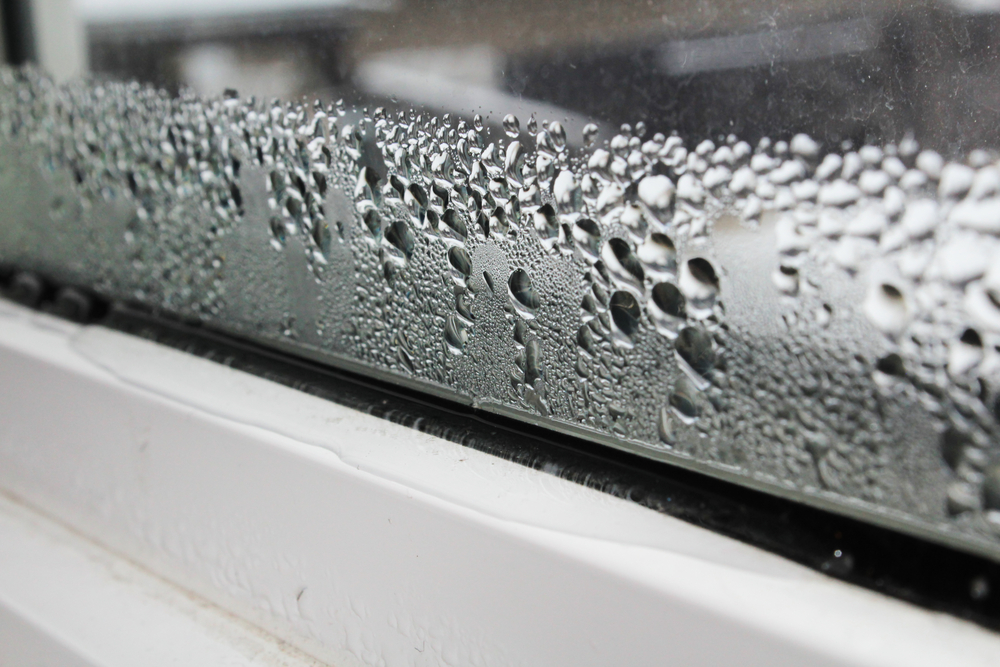
When warm indoor air meets a cold surface inside a wall cavity or underneath a floor, water vapor condenses and accumulates. Over time, this process weakens wood framing, corrodes metal fasteners, and creates breeding grounds for mold and mildew. Many homeowners do not realize the damage is occurring until visible signs appear, such as warped flooring, peeling paint, or musty odors. By that point, repairs can be costly and disruptive.
The coastal climate in Petaluma also affects HVAC performance. Heating systems work harder when insulation is compromised or absent, driving up energy costs month after month. A well-insulated home acts as a thermal buffer, reducing the strain on heating and cooling systems and keeping indoor temperatures stable regardless of what is happening outside.
Why Moisture Resistant Insulation Is Essential in This Region
Not all insulation products perform equally in high-humidity environments. Fiberglass batt insulation, while common and affordable, absorbs moisture when exposed to persistent dampness. Once wet, fiberglass loses a significant portion of its insulating value and can retain moisture long enough to promote mold growth within wall cavities. For homeowners in Petaluma, CA, choosing moisture resistant insulation is not a luxury; it is a practical necessity.
Closed-cell spray foam insulation has become one of the most recommended coastal climate insulation solutions available. Unlike fiberglass, closed-cell spray foam creates a rigid, water-resistant barrier that resists moisture absorption while also sealing air leaks. This dual function makes it particularly effective in coastal environments where both air infiltration and humidity are ongoing concerns.
Rigid foam board insulation is another strong option, especially for foundation walls and exterior applications. Its closed-cell composition makes it highly resistant to moisture while providing consistent thermal resistance. When installed correctly, rigid foam can significantly reduce the risk of condensation forming on interior surfaces.
Mineral wool insulation, sometimes called rock wool or slag wool, also performs well in damp conditions. It is naturally hydrophobic, meaning it repels water rather than absorbing it, and it maintains its structural integrity and insulating properties even when exposed to humidity. For Petaluma homeowners weighing their options, mineral wool offers a compelling balance of moisture resistance, thermal performance, and fire resistance.
The Importance of Crawl Space Insulation in Petaluma
One of the most overlooked areas of a home is the crawl space, yet it is often where moisture problems begin. In many older Petaluma homes, crawl spaces are vented to the outside, a design that made sense in drier climates but backfires in coastal areas. When humid outdoor air enters a vented crawl space, it condenses on cooler surfaces, leading to wood rot, pest infestations, and unhealthy air quality throughout the home.
Crawl space insulation in Petaluma is a topic that deserves serious attention from any homeowner in the region. Encapsulating the crawl space with a heavy-duty vapor barrier and insulating the walls with closed-cell spray foam or rigid foam board creates a semi-conditioned space that resists moisture intrusion. This approach is far more effective than simply laying batt insulation between floor joists, which does little to address the underlying humidity problem.
A properly encapsulated crawl space also improves indoor air quality. Research consistently shows that a significant portion of the air inside a home comes from the crawl space below. When that space is damp and harboring mold, those contaminants travel upward into living areas. Addressing crawl space insulation is therefore not just about energy efficiency; it directly impacts the health and comfort of everyone in the home.
In some cases, a crawl space dehumidifier is installed alongside insulation improvements to actively manage moisture levels. This is particularly useful in Petaluma homes that sit closer to low-lying areas or near bodies of water where ground moisture is more pronounced.
How Spray Foam Insulation Moisture Barrier Technology Works
Spray foam insulation has earned a strong reputation in Northern California’s coastal communities precisely because it functions as both an insulator and a moisture barrier in a single application. When a qualified insulation contractor in Petaluma, CA applies closed-cell spray foam, the material expands and hardens, filling gaps, cracks, and irregular surfaces that other insulation types cannot reach.
The spray foam insulation moisture barrier effect comes from the foam’s closed-cell structure. Each tiny cell within the foam is sealed, preventing liquid water and water vapor from passing through. This makes it highly effective in areas like rim joists, crawl space walls, and exterior-facing wall cavities where moisture exposure is greatest.
Open-cell spray foam, by contrast, has a softer, more porous structure and is not recommended as a moisture barrier in coastal climates. While it offers excellent soundproofing and air sealing benefits, its permeability means it can allow vapor transmission in humid environments. A knowledgeable insulation contractor in Petaluma, CA will help homeowners distinguish between these two products and recommend the right type based on the specific location and application within the home.
Proper installation technique is critical with spray foam. The material must be applied at the correct temperature and thickness to achieve the desired R-value and moisture resistance. Underapplication can leave the foam too thin to perform as intended, while overapplication can create issues with structural adhesion or fire code compliance. This is why working with a licensed and experienced insulation contractor in Petaluma, CA is so important. Spray foam is not a DIY-friendly product, and errors in application can be expensive to correct.
Beyond moisture control, spray foam improves a home’s overall air tightness, which has a direct impact on indoor air quality, comfort, and heating and cooling costs. In a climate like Petaluma’s, where outdoor air is frequently cool, damp, and wind-driven, reducing air infiltration through spray foam application can make a noticeable difference in how comfortable a home feels year-round.
Conclusion
Petaluma, CA presents specific and persistent insulation challenges that demand thoughtful solutions tailored to a coastal climate. From moisture resistant insulation choices to crawl space insulation improvements and the strategic use of spray foam insulation moisture barrier products, every decision a homeowner makes has long-term consequences for their home’s comfort, health, and structural integrity. Partnering with a qualified insulation contractor in Petaluma, CA who understands Northern California’s coastal conditions is the most reliable way to ensure the work is done correctly and delivers lasting results. Protecting your home from moisture starts with the right insulation strategy, and in Petaluma, that strategy can make all the difference.
Need Insulation Near You?
Since 2001, Ace Insulation Inc. has been your premier insulation experts. We take pride in being locally owned and operated as well as offering high-quality service. We specialize in the installation of insulation. Whether you are building a new home or renovating your existing space, we are the place to call. We have many materials to choose from, including fiberglass and spray foam. If you are looking for high-quality work, call us today to schedule your next consultation!
For homeowners in Northern California and Nevada, energy bills can feel like a runaway train. Summers in Sacramento, CA bring triple-digit heat, while winters in Sparks, NV deliver biting cold that seeps through every gap in your home’s envelope. If your utility costs keep climbing despite efforts to manage them, the culprit may be sitting right above your head. Attic insulation is one of the most cost-effective upgrades a homeowner can make, and understanding the ROI behind this investment can help you make a smarter, faster decision about protecting your home and your wallet.
Why Attic Insulation Is the Starting Point for Energy Savings
Most homeowners think about energy efficiency in terms of windows, doors, or HVAC systems, but the attic is actually where a significant portion of conditioned air escapes. Heat rises, and without adequate attic insulation, that warm or cool air you pay to generate simply bleeds out through the ceiling and roof assembly. According to the U.S. Department of Energy, heating and cooling account for roughly 50 to 70 percent of the energy used in a typical American home. Addressing the attic first creates a foundation for all other energy savings insulation efforts to work more effectively.
In Sacramento, CA, where summers regularly exceed 100 degrees Fahrenheit, an under-insulated attic can force your air conditioning system to work overtime for months at a stretch. In Sparks, NV, where the high desert climate brings freezing winters and scorching summers, the demand on your HVAC system is just as intense but comes from two directions. Upgrading your attic insulation is not just a comfort improvement; it is a financial strategy with measurable returns.
Understanding Insulation Cost Savings in Real Numbers
The ROI of attic insulation becomes concrete when you look at actual numbers. The average homeowner in the United States spends between $1,500 and $3,000 per year on energy costs, with a large share attributed to heating and cooling. Homes with inadequate attic insulation can see energy savings insulation upgrades of 10 to 50 percent depending on their starting point and the quality of the new installation.
For a homeowner in Sacramento, CA paying $2,400 annually in energy bills, a 20 percent reduction equals $480 saved per year. A professional attic insulation installation in that region typically costs between $1,500 and $3,500 depending on the square footage, existing insulation condition, and the type of material used. That means the payback period on the investment can be as short as three to seven years. After that window, every year represents pure savings with no additional cost.
In Sparks, NV, where both heating and cooling seasons are long and demanding, homeowners may see even higher savings percentages. A home that was previously insulated to R-19 and upgraded to R-38 or R-49 can experience dramatic reductions in monthly utility costs almost immediately after installation. When you calculate those savings over a 10 to 15 year window, the total return on investment frequently exceeds three to five times the original insulation cost.
How Attic Insulation Affects Home Value in Northern California and Nevada
Beyond the monthly utility reduction, attic insulation improvements directly affect the resale value of your home. Real estate markets in Northern California and Nevada are competitive, and buyers are increasingly savvy about energy costs. A home that demonstrates lower average utility bills and boasts a high R-value attic insulation system commands attention in the listing and during negotiations.
In Sacramento, CA, the California Energy Commission maintains strict building codes, and homes that meet or exceed current insulation standards are seen as more desirable and compliant. When you upgrade your attic insulation, you are not just saving money today; you are improving the marketability of your property tomorrow. Real estate appraisers increasingly account for energy efficiency upgrades, and a documented attic insulation upgrade can add to your home’s assessed value.
In Sparks, NV, the same logic applies. Nevada’s residential building codes have evolved to reflect the climate demands of the region, and a home with modern attic insulation stands out favorably during a pre-listing inspection. Buyers who understand the long-term insulation cost savings will often pay a premium for a home that already has the work done, reducing their out-of-pocket expenses after purchase.
Choosing the Right Insulation Type for Your Climate Zone
Not all attic insulation is created equal, and the best choice depends on your specific climate, existing structure, and performance goals. In Sacramento, CA and Sparks, NV, the most commonly installed types include blown-in fiberglass, blown-in cellulose, and spray foam. Each has a distinct profile of cost, R-value per inch, air sealing capability, and installation complexity.
Blown-in fiberglass is a popular choice for its cost-effectiveness and ease of installation over existing insulation. It adds R-value quickly without requiring removal of the old material in most cases. Cellulose, made from recycled paper treated for fire resistance, offers slightly better air sealing properties and is an environmentally conscious option. Spray foam, while the most expensive upfront, delivers superior air sealing and the highest R-value per inch, making it a strong long-term ROI choice for homeowners who plan to stay in their homes for a decade or more.
For Sacramento, CA homeowners, climate zone considerations from California’s Title 24 energy code recommend attic insulation levels of R-38 to R-49 depending on the specific zone. For Sparks, NV homeowners, energy codes based on the International Energy Conservation Code suggest similar targets, with R-49 being the recommended ceiling in colder mountain-adjacent zones. Hitting these targets or exceeding them ensures that your energy savings insulation goals are fully met and that you qualify for any applicable rebates or incentive programs.
Rebates, Incentives, and Financing That Improve Your ROI
One of the most overlooked factors in calculating attic insulation ROI is the availability of rebates and incentive programs that reduce the upfront cost significantly. In Sacramento, CA, Pacific Gas and Electric (PG&E) and Sacramento Municipal Utility District (SMUD) both offer rebate programs for qualifying home insulation upgrades. These rebates can range from a few hundred dollars to over a thousand dollars depending on the scope of the project and the improvement in energy performance achieved.
In Sparks, NV, NV Energy provides rebate programs for residential customers who upgrade their home insulation to meet or exceed recommended efficiency thresholds. These programs are periodically updated, so working with a qualified insulation contractor who is familiar with current utility incentives is important for maximizing your total savings.
At the federal level, the Inflation Reduction Act extended and expanded tax credits for energy efficiency improvements, including insulation. Homeowners can claim up to 30 percent of the cost of qualifying insulation materials as a federal tax credit, with an annual cap that varies by improvement type. When stacked with state and utility rebates, these incentives can reduce your net out-of-pocket cost by 30 to 50 percent, dramatically compressing your payback period and improving your overall ROI.
Conclusion
Upgrading your attic insulation in Sacramento, CA or Sparks, NV is one of the smartest financial decisions a homeowner in Northern California and Nevada can make. The combination of immediate utility reduction, long-term insulation cost savings, increased home value, and available rebate programs creates a compelling case for action. Whether your goal is to lower your monthly energy bills, prepare your home for sale, or simply live more comfortably through the region’s extreme seasonal swings, the numbers consistently support attic insulation as a high-return investment. Getting a professional energy audit and insulation assessment is the first step toward understanding exactly how much you stand to gain.
Need Insulation Near You?
Since 2001, Ace Insulation Inc. has been your premier insulation experts. We take pride in being locally owned and operated as well as offering high-quality service. We specialize in the installation of insulation. Whether you are building a new home or renovating your existing space, we are the place to call. We have many materials to choose from, including fiberglass and spray foam. If you are looking for high-quality work, call us today to schedule your next consultation!
Areas Served
Proudly providing residential and commercial insulation installation to Petaluma, CA and the surrounding areas including:
Certificate of Approved Applicator from SWD, approved to install quik-shield polyurethane foam and coating products in residential and commercial applications according to the standards and guidelines as set forth by SWD Urethane