A home that feels comfortable on a mild afternoon can become noticeably harder to heat or cool when Petaluma weather shifts. Warm, dry summers, cooler winter nights, older construction, and temperature differences between sunny and shaded parts of a home can all expose weaknesses in the building envelope.
If certain rooms never feel quite right or your heating and cooling system seems to run longer than expected, the insulation may deserve a closer look.
Quick answer: Your home may need an insulation upgrade if you notice uneven indoor temperatures, persistent drafts, rising heating or cooling costs, unusually hot ceilings or rooms in summer, or insulation that is thin, damaged, compressed, or missing. These symptoms do not always mean insulation is the only problem, so air leakage, ductwork, moisture, and HVAC performance should also be considered.
What local homeowners should know
Older homes in established Petaluma neighborhoods may have insulation levels that differ significantly from those used in more recent construction.
Petaluma’s long, dry summer season can allow attic spaces and roof assemblies to absorb considerable heat, making weak insulation more noticeable upstairs.
Cool winter nights can expose drafts and poorly insulated areas that were less obvious during warmer weather.
Insulation and air sealing work together, so adding insulation without addressing major air leaks may leave some comfort problems unresolved.
A professional evaluation can help determine whether the issue involves the attic, walls, crawl space, ductwork, air leakage, or a combination of factors.
Why Insulation Matters for Petaluma Homes
Insulation matters in Petaluma because it helps slow unwanted heat movement through the attic, walls, and floors during both warm summers and cooler winter weather. A well-performing thermal envelope can help a home maintain more consistent indoor temperatures while reducing the workload placed on heating and cooling equipment.
Local weather has a pronounced seasonal pattern. Petaluma typically experiences long, dry, warm summers and shorter, wetter winters, with substantial differences between daytime and nighttime temperatures during parts of the year. Homes around West Petaluma, East Petaluma, the Petaluma River area, and neighborhoods toward Adobe Road can also vary considerably in age, design, remodeling history, attic configuration, and exposure to sun.
Ace Insulation Inc. helps homeowners evaluate insulation concerns and determine where upgrades may improve the home’s thermal performance. From this point forward, we focus on identifying the source of the problem rather than assuming that simply adding more material is always the right solution.
Local Data and Building Observations
Petaluma’s seasonal temperature pattern makes year-round insulation performance important rather than making insulation only a winter concern. Weather data for the area shows warm, predominantly dry summers and cool, wetter winters, which means homes need to resist heat moving inward during warmer periods and outward during colder periods.
The U.S. Department of Energy also identifies drafts, uneven room temperatures, cold surfaces, moisture symptoms, and unusually high heating or cooling bills as potential signs that a home’s thermal performance needs attention. It recommends looking at insulation, air leakage, and moisture as interconnected parts of the building rather than treating one component in isolation.
This whole-home perspective can be especially useful in Sonoma County, where properties range from historic and remodeled homes to newer subdivisions. Petaluma’s long building history is visible in landmarks such as Petaluma Adobe State Historic Park, whose origins date to the 1830s.
5 Signs Your Home May Need an Insulation Upgrade
The clearest signs of an insulation problem are recurring comfort or energy issues that cannot be explained by a temporary weather change or thermostat setting. Homeowners should pay particular attention when several of the following symptoms appear together.
1. Some Rooms Are Much Hotter or Colder Than Others
A large temperature difference between rooms can indicate that part of the home is losing or gaining heat faster than the rest.
For example, an upstairs bedroom may become uncomfortable on sunny summer afternoons while the first floor stays reasonable. During winter, a room over a crawl space or garage may stay noticeably colder.
Uneven temperatures can have several causes, including duct problems or solar exposure, but inadequate or inconsistent insulation is one possibility worth investigating.
2. You Feel Drafts Even With the Windows Closed
Persistent drafts can signal air leakage around plumbing penetrations, attic openings, recessed fixtures, framing transitions, doors, or other gaps in the building envelope.
Insulation alone does not necessarily stop moving air. The Department of Energy compares insulation and air sealing as complementary measures because cracks and openings can reduce the effectiveness of otherwise adequate insulation.
If a West Petaluma home feels chilly near certain walls or ceilings on a cool morning, for example, the underlying issue may require both insulation evaluation and air sealing.
3. Heating or Cooling Seems to Run Constantly
Long HVAC run times can occur when heat moves through the building envelope faster than the system can comfortably compensate for it.
That does not automatically prove the insulation is inadequate. Dirty filters, aging equipment, leaking ducts, thermostat problems, and air leakage can create similar symptoms.
However, if the system is functioning properly and your home still struggles to hold its temperature, inspecting the attic and other insulated areas is a reasonable next step.
4. Your Upstairs Rooms or Ceilings Get Very Hot in Summer
Excessive summer heat at the top of the home can point toward inadequate attic insulation, air leakage, or other roof and attic performance issues.
This can become particularly noticeable during Petaluma’s dry summer months, when prolonged sunshine heats roofing and attic spaces. The rooms immediately below the attic may then become harder to keep comfortable.
A proper evaluation should consider insulation depth and condition along with attic air leaks, ventilation, duct location, and other factors before recommending an upgrade.
5. Existing Insulation Looks Thin, Uneven, Damaged, or Disturbed
Visible insulation problems are among the strongest reasons to schedule a closer evaluation.
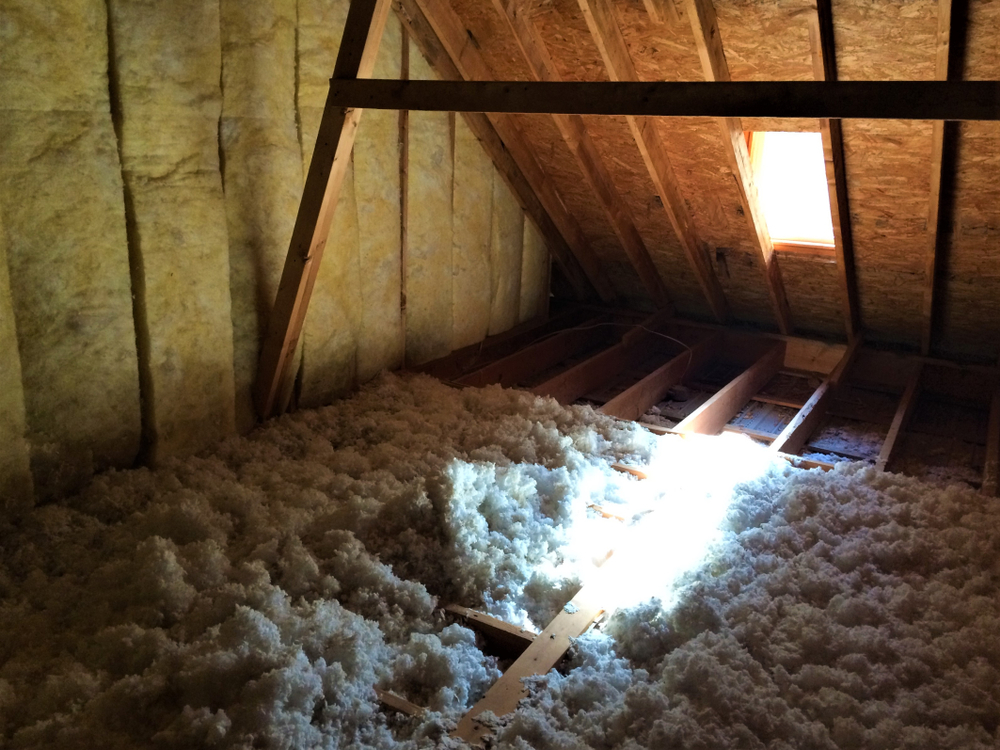
In an accessible attic, homeowners may notice bare areas, compressed material, insulation pushed aside around storage or previous work, or sections that appear substantially different from neighboring areas. The Department of Energy specifically notes that insulation may be too thin, uneven, missing, or displaced in existing homes.
Do not disturb questionable insulation or enter unsafe attic or crawl-space areas simply to inspect it more closely.
What Causes Insulation Problems in Local Homes?
Insulation problems in Petaluma commonly develop because of building age, incomplete coverage, air leakage, previous renovations, moisture issues, or material that has been disturbed over time. The exact cause depends on the home’s construction and history.
Older properties may have been built under different energy-efficiency expectations than newer homes. Remodeling can also leave sections of a building envelope with different insulation levels.
Attic work is another factor. Electrical, HVAC, plumbing, or storage activity can sometimes compress or move existing material. Openings around penetrations can create paths for conditioned air to escape even when insulation remains present.
Moisture should be addressed before insulation is covered or replaced. Wet or damaged materials can indicate a roof, plumbing, ventilation, or condensation issue that needs to be corrected first.
When Should You Call an Insulation Professional?
Call a professional when comfort problems are persistent, insulation appears damaged or inaccessible, energy use has changed without a clear explanation, or you cannot safely determine what is happening inside the attic, walls, or crawl space.
Homeowners can safely note which rooms feel uncomfortable, look for obvious drafts, compare seasonal utility usage, and visually inspect an attic from a safe access point when conditions permit.
DIY inspection should stop when the area involves exposed wiring, difficult access, suspected moisture damage, pests, potentially hazardous materials, or any situation where walking through an attic could damage the ceiling below.
A professional evaluation can also help separate an insulation problem from issues involving ducts, air sealing, ventilation, or HVAC performance.
How Can Petaluma Homeowners Help Prevent Insulation Problems?
Petaluma homeowners can protect insulation performance by controlling moisture, limiting unnecessary disturbance in attics and crawl spaces, sealing appropriate air leaks, and periodically checking accessible insulation for visible changes.
Before the warmer part of the year, pay attention to rooms that overheated the previous summer. Before cooler winter weather, note drafts and rooms that take unusually long to warm.
Also investigate roof or plumbing leaks promptly. Insulation should not be used to hide an active moisture problem.
If contractors need access to an attic for electrical, plumbing, HVAC, or communications work, checking the insulation afterward can help identify areas that were accidentally compressed or displaced.
What Results Can You Expect From an Insulation Upgrade?
A properly planned insulation upgrade can improve temperature consistency and reduce unwanted heat transfer, although the exact results depend on the rest of the home’s building envelope and mechanical systems.
Some homeowners notice that previously uncomfortable rooms become easier to heat or cool. HVAC equipment may also have less work to do when insulation and air sealing weaknesses are addressed appropriately.
Results differ by property, so homeowners should be cautious of promises based on insulation alone. Windows, ducts, air leakage, equipment condition, orientation, shading, and occupant habits can all influence indoor comfort and energy use.
Common Insulation Mistakes to Avoid
The biggest insulation mistakes are adding material without diagnosing the problem, covering moisture damage, blocking necessary ventilation, and assuming more insulation will fix every comfort complaint.
Mistake: Adding insulation over an unidentified leak. Consequence: Moisture can continue damaging surrounding materials. Better approach: Find and correct the moisture source first.
Mistake: Ignoring air leakage. Consequence: Conditioned air may continue escaping through gaps. Better approach: Evaluate insulation and air sealing together.
Mistake: Treating an uncomfortable room as proof of poor insulation. Consequence: The real problem, such as duct leakage or HVAC imbalance, may remain unresolved. Better approach: Diagnose the complete system before choosing a repair.
A Common Local Scenario
A common local scenario is an older Sonoma County home where the upstairs becomes uncomfortable during summer afternoons but several downstairs rooms remain comfortable.
The homeowner may initially assume the air conditioner needs replacement. An inspection, however, could reveal uneven attic insulation, accessible air leaks, disturbed material around previous mechanical work, or another building-envelope issue.
This is not a specific Ace Insulation Inc. project or case study. It illustrates why diagnosis should come before deciding on an insulation upgrade.
Which Insulation Services May Help?
The right insulation service depends on where thermal performance is being lost and whether existing material can remain in place.
Possible solutions may include attic insulation improvements, insulation replacement where material is damaged or unsuitable, targeted work in accessible areas, and related air-sealing measures where appropriate.
We recommend basing the scope of work on the home’s actual condition rather than choosing a material or quantity before the property has been evaluated.
A basic visual check can help homeowners recognize obvious insulation concerns, but professional evaluation is better when the cause is unclear or the work area is difficult to access safely.
DIY observation works well for documenting uncomfortable rooms, noticeable drafts, obvious attic gaps visible from a safe location, and seasonal patterns.
Professional help becomes more valuable when insulation is hidden, damaged, contaminated, difficult to reach, or intertwined with ventilation, moisture, electrical, duct, or air-sealing concerns.
Areas We Serve Around Petaluma
Our local service focus includes homeowners in Petaluma and surrounding Sonoma County communities where insulation performance can affect year-round comfort. Nearby areas may include Cotati, Rohnert Park, and other communities within the company’s confirmed service territory.
What Can Happen If You Ignore Poor Insulation?
Ignoring inadequate insulation can leave rooms uncomfortable, increase unnecessary heating or cooling demand, and allow underlying air-leakage or moisture concerns to remain undiscovered.
The cost is not always dramatic at first. It may show up gradually through longer HVAC cycles, difficulty maintaining temperatures, or recurring discomfort in the same rooms.
For customers of local energy providers, including households receiving electricity through Sonoma Clean Power with delivery infrastructure maintained by PG&E, reducing unnecessary household energy demand can also be part of a broader home-efficiency strategy.
How do I know if my Petaluma home needs more attic insulation?
Your home may need more attic insulation if coverage is visibly thin or uneven and you also experience symptoms such as uncomfortable upstairs rooms, drafts, or difficulty maintaining indoor temperatures. A professional inspection can determine whether additional insulation, air sealing, or another correction is appropriate rather than relying on appearance alone.
Do older homes in Petaluma usually need insulation upgrades?
Some older Petaluma homes may benefit from insulation improvements, but age alone does not determine whether an upgrade is necessary. Previous remodeling, insulation additions, air sealing, moisture history, and construction type all matter. An evaluation of the current building envelope provides better guidance than simply using the home’s construction date.
Can poor insulation make my Petaluma home hot in summer?
Yes, inadequate attic or wall insulation can contribute to summer heat entering a Petaluma home more quickly, particularly in rooms directly beneath a hot attic or roof. Air leakage, windows, shading, duct conditions, and HVAC performance can also contribute, so the entire comfort problem should be evaluated.
Will adding insulation automatically lower my energy bill?
No, an insulation upgrade does not guarantee a specific reduction in energy costs because household energy use depends on many variables. Weather, thermostat settings, equipment efficiency, air leakage, windows, home size, and occupant behavior all affect consumption. Proper insulation can reduce unwanted heat transfer and support overall efficiency.
Should I replace wet insulation in a Sonoma County home?
Wet insulation should be evaluated along with the source of the moisture before repairs proceed. A roof leak, plumbing issue, condensation problem, or other moisture source should be identified and corrected first. Depending on the insulation type and extent of damage, affected material may require removal or replacement.
Is insulation useful during Petaluma winters?
Yes, insulation remains useful during Petaluma winters because it slows heat movement out of conditioned living spaces when outdoor temperatures are cooler. The area experiences a distinct cooler and wetter season, so adequate insulation can support comfort in winter as well as help resist unwanted heat during the dry summer season.
Can insulation fix a drafty house?
Insulation can help with thermal performance, but drafts often require air sealing as well. Openings around pipes, wiring, attic penetrations, framing connections, doors, and other gaps can allow air to move through the building envelope. The best solution may involve addressing both insulation coverage and uncontrolled air leakage.
Is fall a good time to evaluate insulation in Petaluma?
Yes, fall can be a practical time to evaluate insulation because homeowners can address comfort concerns before the colder, wetter portion of the local year. Spring can also be useful before summer heat arrives. There is no requirement to wait for a particular season if your home is already showing clear warning signs.
Improve Year-Round Comfort in Your Petaluma Home
A comfortable home starts with understanding where heat and air are moving through the building envelope. If you are noticing uneven temperatures, drafts, excessive upstairs heat, or questionable attic insulation, Ace Insulation Inc. can help you evaluate your options without assuming every home needs the same solution.
Sacramento homeowners ask a lot from their insulation. Long stretches of summer heat can turn an under-insulated attic into a major source of unwanted heat gain, while cool winter nights make gaps and thin areas noticeable from the other direction.
The choice between fiberglass and blown-in insulation is not simply about which material is “better.” It is about which installation method fits your home, attic conditions, existing insulation, and comfort goals.
Quick answer:Fiberglass batts can be a practical choice for open framing where insulation can be fitted neatly between joists or studs. Blown-in insulation is often well suited to existing attics because loose material can cover irregular spaces and fill around framing and obstructions. For many Sacramento retrofit projects, attic condition and installation quality matter more than choosing one material based on name alone.
What local homeowners should know
Fiberglass batts work best when they can be installed continuously without compression, large gaps, or awkward obstructions.
Blown-in insulation can be useful in Sacramento-area attics with existing insulation or framing that makes batt installation difficult.
Summer attic heat makes consistent coverage especially important for local homes.
Older homes in neighborhoods such as East Sacramento, Land Park, and Curtis Park may have insulation conditions that differ considerably from newer construction.
Existing insulation should be inspected before deciding whether to add material, replace it, or address air leakage first.
Why Does the Insulation Choice Matter in Sacramento?
The insulation choice matters in Sacramento because prolonged summer heat can expose weak attic coverage, gaps, and under-insulated areas that allow unwanted heat to move toward the living space. Winter conditions also make adequate insulation valuable, so homeowners need a solution that performs consistently rather than simply adding more material.
National Weather Service climate reporting illustrates the region’s cooling challenge. At Sacramento Metropolitan Airport, July 2026 had 27 days with maximum temperatures of at least 90°F, while August recorded 25 such days. That sustained heat is one reason attic insulation deserves attention in local homes.
Homes throughout Sacramento County also vary widely in age and construction. An older Midtown bungalow can present a very different insulation project from a newer home in Natomas.
At Ace Insulation Inc., we look at the existing conditions before determining which insulation approach makes sense for a property.
What Do Local Data and Field Conditions Tell Us?
Local climate data shows that Sacramento homes regularly experience extended periods of high summer temperatures, making the attic thermal boundary an important part of indoor comfort and energy performance. The right insulation system should provide consistent coverage while fitting the actual construction of the home.
The National Weather Service reported an average maximum temperature of 94.1°F at Sacramento Metropolitan Airport in July 2026. At Sacramento Executive Airport, the highest temperature that month reached 104°F.
California’s current Building Energy Efficiency Standards also address insulation as part of the building envelope. The 2025 Energy Code became effective January 1, 2026 for applicable new construction, additions, and alterations. Requirements vary by project, so homeowners should not assume that a particular R-value or installation method applies to every retrofit.
How Can Insulation Affect a Sacramento Home?
Insulation can affect a Sacramento home’s comfort by slowing heat transfer between conditioned rooms and hot or cold spaces such as the attic. Poor coverage can contribute to uncomfortable rooms, greater temperature differences between floors, and longer HVAC operation during periods of intense Central Valley heat.
A west-facing bedroom that becomes noticeably warmer every afternoon may have several contributing factors, including windows, ductwork, air leakage, and insulation. Insulation should therefore be evaluated as part of the home’s overall thermal envelope rather than treated as an automatic cure for every comfort problem.
What Are the Warning Signs of an Insulation Problem?
Common insulation warning signs include uneven room temperatures, visibly thin attic coverage, exposed ceiling joists, damaged insulation, and an HVAC system that struggles during hot weather. These symptoms do not prove insulation is the only problem, but they can justify an attic inspection.
Watch for:
Rooms directly below the attic becoming noticeably hotter than the rest of the house.
Existing loose-fill insulation that has obvious low spots or uncovered areas.
Fiberglass batts that are compressed, displaced, torn, or poorly fitted.
Visible gaps around framing or attic penetrations.
Insulation disturbed by previous electrical, plumbing, HVAC, or other attic work.
Significant comfort differences between the first and second floors.
Older insulation whose condition or coverage is unknown.
When Should You Call an Insulation Professional?
You should call an insulation professional when the attic has inconsistent coverage, damaged material, difficult access, possible contamination, or comfort problems that cannot be explained from inside the home. A professional assessment can help determine whether adding insulation, replacing material, or correcting other attic conditions should come first.
Homeowners can safely look for obvious problems from an attic access point without walking through an unfamiliar attic. Moving deeper into an attic can involve fall hazards, electrical components, ductwork, and areas where the ceiling below cannot support body weight.
What Commonly Causes Poor Insulation Performance?
Poor insulation performance commonly results from insufficient coverage, gaps, compression, disturbance, or an installation method that does not fit the attic configuration. In Sacramento-area homes, renovation history and differences in building age can make these problems especially variable from one property to another.
Fiberglass batts can lose effectiveness when they are compressed or cut poorly around obstacles. Blown-in material depends on correct depth and density and needs to be installed without leaving thin areas.
Air leakage can also undermine comfort even when insulation is present. Adding material without evaluating obvious penetrations may leave an important part of the problem unresolved.
How Should Sacramento Homeowners Maintain Attic Insulation?
Sacramento homeowners should periodically check attic insulation for displacement, damage, moisture concerns, and obvious changes after other contractors have worked in the space. Late winter or spring can be a useful time to identify problems before prolonged summer temperatures put additional demand on the home’s cooling system.
From the attic access, look for visibly uneven coverage or displaced batts. After roof, electrical, HVAC, or plumbing work, check whether insulation was moved and left out of place.
DIY inspection should stop where safe access ends or where damaged materials, wiring, pests, moisture, or other hazards are present.
What Results Can You Expect From Better Insulation?
Properly installed insulation can create more consistent thermal coverage and help reduce heat movement between the attic and conditioned rooms. Actual comfort and energy results vary because insulation works alongside air sealing, windows, HVAC equipment, ducts, shading, home orientation, and occupant habits.
For a Sacramento home with obvious attic deficiencies, correcting thin or missing areas may make the building envelope more consistent. Homeowners should be cautious of anyone promising a specific utility-bill reduction without evaluating the property.
What Mistakes Should Homeowners Avoid?
The biggest insulation mistakes are choosing solely by material, covering existing problems, and assuming that more insulation automatically produces better results. The better approach is to evaluate the attic first and select the material and installation method around its actual conditions.
Mistake: Choosing fiberglass or blown-in based only on price. Consequence: The installation method may be poorly suited to the attic. Better approach: Compare access, existing material, framing, required coverage, and project goals.
Mistake: Installing over damaged or problematic material without inspection. Consequence: Existing issues can remain hidden. Better approach: Determine what is already in the attic and why it is underperforming.
Mistake: Ignoring gaps and penetrations. Consequence: Insulation alone may not address unwanted air movement. Better approach: Evaluate air leakage as part of the attic project.
What Is a Common Sacramento Insulation Scenario?
A common Sacramento scenario is an older home with uneven attic insulation, areas disturbed by previous work, and rooms that become uncomfortable during hot afternoons. This is a representative situation, not a specific Ace Insulation Inc. customer case study.
In that situation, automatically laying fiberglass batts over everything may be difficult because of existing material and obstructions. Blown-in insulation may offer more uniform coverage, but the attic still needs to be evaluated first for conditions that should be corrected before adding insulation.
Which Insulation Services Can Help?
The appropriate insulation service may include attic inspection, adding insulation, replacing unsuitable material, or installing fiberglass or blown-in insulation based on the home’s needs. The goal should be to solve the coverage problem rather than push one insulation type for every property.
We can help homeowners evaluate their current attic conditions and understand which insulation approach is appropriate for the space.
Fiberglass vs. Blown-In Insulation: How Do the Options Compare?
Fiberglass is often a strong option for accessible, regularly framed spaces, while blown-in insulation is often advantageous for retrofits and irregular attic areas where continuous batt installation would be difficult. Neither choice is automatically right for every Sacramento property.
Factor
Fiberglass Batts
Blown-In Insulation
Open framing
Often a good fit
Can also work
Irregular attic spaces
More difficult to fit
Often easier to cover
Existing attic insulation
Depends on conditions
Frequently considered for adding coverage
Installation consistency
Requires careful fitting
Requires proper depth and density
Around obstacles
Must be cut and fitted
Can fill around many obstructions
Best choice
Depends on the attic
Depends on the attic
The most useful comparison is therefore not simply fiberglass versus blown-in. It is fiberglass or blown-in for your specific attic.
Where Do We Provide Insulation Solutions?
Our insulation services support homeowners in Sacramento and surrounding communities where attic heat and aging insulation can affect home comfort. Properties in areas such as East Sacramento, Midtown, Land Park, Natomas, and nearby Sacramento County communities can have very different insulation needs based on age, construction, and previous improvements.
Homes in nearby communities such as Elk Grove and Rancho Cordova can face similar Central Valley climate conditions.
What Can Happen If You Ignore Poor Attic Insulation?
Ignoring inadequate attic insulation can allow comfort problems and inefficient thermal performance to continue through Sacramento’s hottest and coolest periods. Waiting can also mean another cooling season with thin, missing, or poorly installed insulation still separating the living space from the attic.
Not every insulation deficiency requires immediate replacement. However, visible gaps, major inconsistencies, or damaged material are worth evaluating before simply accepting uncomfortable rooms as normal.
Is blown-in insulation better than fiberglass for Sacramento homes?
Blown-in insulation can be better for Sacramento homes with irregular attic spaces or existing insulation that makes batt installation difficult. Fiberglass batts may be equally appropriate in open, accessible framing. The condition and layout of the attic should determine the installation approach rather than assuming one product is universally superior.
Is fiberglass insulation suitable for Sacramento’s hot summers?
Yes, properly selected and installed fiberglass insulation can be suitable for Sacramento’s hot summers. Performance depends on achieving appropriate thermal resistance and avoiding gaps, compression, and missing sections. Material choice is only one part of the system, so attic conditions and installation quality need to be considered as well.
Can blown-in insulation be added over existing attic insulation?
Blown-in insulation can sometimes be added over existing insulation, but the existing material should be evaluated first. Homeowners should identify moisture, contamination, damaged material, air leakage, or other problems before covering them. California requirements also apply to certain insulation alterations, making project-specific evaluation important.
How much insulation does a Sacramento attic need?
The appropriate insulation level depends on the home’s construction, existing assembly, project scope, and applicable California Energy Code requirements. There is no single R-value that should be prescribed for every Sacramento retrofit without evaluating those conditions. Current state standards include specific requirements for applicable attic and roof assemblies.
Does insulation help keep Sacramento homes cooler?
Insulation helps slow heat transfer from hot attic spaces toward conditioned rooms, making it an important part of summer thermal performance. Sacramento’s extended periods of temperatures above 90°F make attic coverage particularly relevant, although windows, air leakage, ducts, HVAC performance, and shading also influence indoor comfort.
Should old fiberglass insulation always be removed?
No, old fiberglass insulation does not automatically require removal simply because of its age. Its condition matters more. Material that remains properly positioned and free from significant damage may be handled differently from insulation affected by moisture, contamination, pests, compression, or extensive disturbance.
Is blown-in insulation good for older Sacramento homes?
Blown-in insulation can be a practical option for older Sacramento homes because attic framing, additions, and previous improvements can create irregular spaces. Neighborhoods with older housing stock may present conditions where fitting batts continuously is challenging. The existing attic should still be inspected before deciding how new insulation will be installed.
When is the best time to inspect attic insulation in Sacramento?
Before peak summer heat is a practical time to inspect attic insulation in Sacramento because problems can be identified before the cooling season becomes most demanding. An inspection can also make sense after roofing, HVAC, electrical, or plumbing work if contractors may have moved insulation while accessing the attic.
Make Your Sacramento Home More Comfortable Through Every Season
Choosing between fiberglass and blown-in insulation starts with understanding your attic, not choosing a material from a list. We can help evaluate existing coverage and determine which insulation approach makes sense for your Sacramento-area home.
Older homes are part of what gives Sacramento neighborhoods their character, but aging insulation can make those homes harder to keep comfortable during long, hot summers and cool winter nights. If your house has an under-insulated attic, uneven temperatures, or insulation that has settled over time, adding blown-in insulation may be worth considering.
Quick answer:Blown-in insulation can be a good option for many older Sacramento homes because it can add thermal coverage to attic spaces without requiring major structural changes. It is especially useful for filling irregular areas and supplementing existing insulation. However, the condition of the current insulation, attic ventilation, air leaks, moisture, electrical components, and available space should be evaluated before deciding whether adding insulation is appropriate.
What local homeowners should know
Blown-in insulation can fill gaps and irregular attic areas that are difficult to cover consistently with insulation batts.
Sacramento’s extended periods of summer heat make attic insulation an important part of controlling heat transfer into living spaces.
Older homes in neighborhoods such as East Sacramento, Land Park, and Curtis Park can have insulation conditions that differ substantially from newer construction.
Existing insulation should be inspected before simply adding more material over it.
Air sealing, ventilation, moisture concerns, and attic penetrations can affect how well an insulation upgrade performs.
Why Does Blown-In Insulation Matter in Sacramento?
Blown-in insulation matters in Sacramento because attic spaces can experience significant heat exposure during the region’s hot, dry summers, while older homes may have insulation that is thin, uneven, settled, or missing in certain areas. Improving attic insulation can help reduce unwanted heat transfer and support more consistent indoor temperatures throughout the year.
Sacramento’s climate creates a demanding environment for older homes. Summer afternoons can place substantial heat loads on roofs and attic spaces, while winter nights create a different comfort challenge.
Housing age also matters. Properties around East Sacramento, Midtown, Land Park, Curtis Park, and Oak Park may have been built under very different construction practices than newer homes elsewhere in Sacramento County.
Ace Insulation Inc. helps local property owners evaluate insulation needs and available solutions. When we look at an older home, the goal is not simply to add material. We consider the existing conditions and what type of insulation approach makes sense for the property.
What Do Local Conditions Tell Us About Older Home Insulation?
Local conditions suggest that attic insulation deserves particular attention in older area homes because Sacramento combines an aging housing stock in established neighborhoods with prolonged periods of summer heat. The actual condition of insulation still needs to be determined house by house rather than assumed from the property’s age.
For homeowners, the most useful information often comes from an attic inspection. Insulation may have settled, been moved during previous electrical or HVAC work, or simply provide inconsistent coverage.
These are practical property-specific observations rather than claims that every older house has inadequate insulation. Two homes built in the same decade can have very different conditions depending on renovations, previous insulation work, roof changes, and maintenance history.
How Can Inadequate Insulation Affect a Sacramento Home?
Inadequate or uneven insulation can allow more heat to move between an attic and the conditioned areas below, potentially contributing to uncomfortable rooms and greater demands on heating and cooling equipment. During Sacramento’s hottest months, that can become especially noticeable in rooms directly below the attic.
A homeowner might notice that upstairs bedrooms or west-facing rooms become uncomfortable later in the day. Other homes may have noticeable temperature differences between rooms even while the air conditioner is operating.
Insulation is not the only possible cause of those problems. HVAC performance, windows, ductwork, air leakage, shading, and other building-envelope conditions can contribute. That is why diagnosing the home before choosing a solution is important.
What Are the Warning Signs of an Insulation Problem?
Common warning signs include visibly thin or uneven attic insulation, noticeable room-to-room temperature differences, and living spaces that become difficult to keep comfortable during periods of extreme outdoor temperatures. These signs do not automatically mean blown-in insulation is the solution, but they can justify a closer inspection.
Watch for:
Insulation that does not evenly cover the attic floor.
Areas where insulation appears compressed, disturbed, or unusually thin.
Rooms directly beneath the attic that become noticeably warmer in summer.
Large comfort differences between different areas of the home.
Existing insulation that has been displaced around attic access points or previous work areas.
Drafts or obvious air leakage around ceiling penetrations.
Signs of moisture, staining, or other attic conditions that should be investigated before insulation is added.
When Should You Call an Insulation Professional?
You should consider a professional insulation evaluation when you cannot safely determine the condition of your attic insulation or when the attic contains electrical, moisture, ventilation, access, or other conditions that complicate the project. Older Sacramento homes can be particularly important to evaluate carefully before new material is installed.
Homeowners can often perform simple checks from a safe attic access point without entering the attic. You may be able to see whether insulation coverage looks obviously inconsistent or whether sections of the attic floor are exposed.
DIY inspection should stop when accessing the area requires walking across ceiling framing, disturbing unknown materials, approaching electrical components, or entering an attic with unsafe temperatures or limited clearance.
Why Might an Older Home Have Insulation Gaps?
Older homes can develop insulation gaps because materials settle or are disturbed over time, previous remodeling changes attic conditions, and earlier construction may not provide the same insulation coverage expected in a modern home. The specific cause should be identified before deciding how much new material to add.
Common causes include:
Settling or compression: Existing insulation may no longer have the depth or consistency it once had.
Past attic work: Electrical, HVAC, roofing, or other projects can disturb insulation and leave uncovered areas.
Irregular construction: Older rooflines and framing can create spaces that are awkward to cover with rigid or batt materials.
Air leakage: Gaps around penetrations can allow unwanted airflow even when insulation is present.
Moisture problems: Roof or condensation issues may damage insulation and should be addressed before new material is installed.
How Can Homeowners Maintain Effective Attic Insulation?
Homeowners can support effective attic insulation by periodically checking visible coverage, watching for moisture or disturbance, and addressing roof, ventilation, or air-leakage problems before they affect the insulation system. In the Sacramento area, an attic check before peak summer heat can help identify obvious issues while conditions are safer for inspection.
From the attic opening, look for major differences in insulation depth, exposed attic-floor areas, evidence that contractors have moved material, or signs of staining.
Avoid compressing insulation by storing belongings directly on it. Also avoid covering fixtures, vents, or equipment without knowing the applicable clearance and installation requirements.
If you are unsure what you are seeing, a professional assessment is safer than guessing.
What Results Can You Expect From Blown-In Insulation?
Properly installed blown-in insulation can create more consistent coverage across suitable attic areas and reduce unwanted heat transfer through the insulated assembly, but results depend on the home’s starting condition and other building-envelope factors. It should be treated as one part of the home’s overall comfort and efficiency system.
For some properties, the priority may be adding insulation. For others, air sealing or correcting an attic problem should happen first.
Homeowners should also keep expectations realistic. New insulation cannot correct an undersized or malfunctioning HVAC system, damaged ductwork, significant window problems, or every source of air leakage.
What Mistakes Should Sacramento Homeowners Avoid?
The biggest insulation mistakes are adding material without inspecting existing conditions, overlooking air leaks or moisture, and assuming that more insulation automatically solves every comfort problem. In an older Sacramento house, understanding the attic first can prevent unnecessary work and help identify the right solution.
Mistake: Covering an existing problem. Consequence: Moisture damage or another attic issue may remain hidden beneath new material. Better approach: Identify and address the underlying problem before installation.
Mistake: Ignoring air leakage. Consequence: Insulation may be added while unwanted airflow continues through gaps and penetrations. Better approach: Evaluate opportunities for appropriate air sealing before adding insulation.
Mistake: Assuming every uncomfortable room needs more insulation. Consequence: The actual cause, such as ductwork or HVAC performance, may go unresolved. Better approach: Consider the whole home before choosing a remedy.
What Is a Common Insulation Scenario in an Older Sacramento Home?
A common local scenario is an older home with an attic that still contains insulation but has inconsistent coverage, thin areas, or sections disturbed by previous work. In that situation, the right next step is to evaluate what is already present and determine whether supplemental blown-in insulation is appropriate.
Imagine a home in Land Park or East Sacramento that has undergone several updates over the decades. Electricians, HVAC technicians, or other contractors may have needed attic access. Insulation could have been moved aside in work areas and not redistributed evenly.
This is a representative scenario, not a specific Ace Insulation Inc. customer project. The important lesson is that insulation decisions should be based on current attic conditions rather than the age of the home alone.
Which Insulation Services Can Address These Problems?
The appropriate insulation solution may include adding blown-in material, addressing existing insulation conditions, or completing related preparation based on what an inspection reveals. For older homes, the best approach starts with determining what the attic needs rather than choosing a product before examining the space.
We can help homeowners understand whether blown-in insulation fits the home’s existing construction and insulation conditions. An evaluation can also identify issues that should be addressed before additional insulation is installed.
How Does Blown-In Insulation Compare With Other Options?
Blown-in insulation is especially useful for creating coverage across irregular attic spaces, while batt insulation can be practical where framing cavities are open, regular, and easy to access. The better choice depends on the existing insulation, attic configuration, access, and goals for the home.
Blown-in material can work around framing and many irregular areas without requiring individually cut pieces. That can make it useful when supplementing insulation in an existing attic.
Batts provide defined sections of insulation and may make sense in accessible, regularly spaced cavities where they can be installed properly without gaps or compression.
DIY installation can appear attractive, but older attics can contain conditions that make professional evaluation valuable before work begins.
Where Do We Help Local Homeowners With Insulation?
We serve homeowners in Sacramento and surrounding communities who want to better understand their insulation needs and available improvement options. Established neighborhoods such as Midtown, East Sacramento, Land Park, Curtis Park, and Oak Park illustrate the variety of older housing found throughout the local area.
Homes in nearby communities and elsewhere in Sacramento County may have different ages, attic layouts, and insulation histories, so recommendations should remain property-specific.
What Can Happen If You Ignore Poor Attic Insulation?
Ignoring inadequate or uneven attic insulation can allow comfort problems and unnecessary heat transfer to continue, particularly during Sacramento’s prolonged hot-weather periods. Waiting can also leave disturbed insulation, air leakage, or another attic condition unidentified.
Insulation usually is not an emergency simply because it is old. However, visible moisture, damaged materials, electrical concerns, or other potentially unsafe attic conditions deserve prompt attention.
Addressing insulation concerns before the hottest part of the year can also give homeowners more time to understand their options rather than reacting after indoor comfort becomes a major problem.
Frequently Asked Questions About Blown-In Insulation
Is blown-in insulation good for older Sacramento homes?
Yes, blown-in insulation can be a good choice for many older Sacramento homes when the attic is suitable and existing conditions have been evaluated first. It can provide coverage across irregular spaces and supplement existing insulation, but moisture, air leakage, ventilation, electrical conditions, and the current insulation should be considered before installation.
Can blown-in insulation be added over existing insulation?
Yes, blown-in insulation can sometimes be added over existing insulation, but the material already in place should be inspected first. If existing insulation is wet, contaminated, damaged, or concealing another problem, simply covering it may be inappropriate. The correct approach depends on what is found in the attic.
Why are upstairs rooms in my Sacramento home so hot?
Hot upstairs rooms can result from attic heat transfer, insufficient or uneven insulation, air leakage, duct problems, HVAC performance, windows, solar exposure, or a combination of factors. Because Sacramento experiences extended summer heat, problems involving the attic or building envelope can become particularly noticeable during hot afternoons.
When should Sacramento homeowners inspect attic insulation?
A practical time to check attic insulation is before the peak summer heat, especially if the home already has comfort problems. Sacramento attics can become extremely hot during summer conditions, so homeowners should limit DIY checks to safely visible areas and avoid entering an attic when temperatures or access conditions create a hazard.
Does every older home in Sacramento County need more insulation?
No, an older home does not automatically need additional insulation simply because of its age. Properties throughout Sacramento County have undergone different renovations and insulation upgrades over the years. Inspecting current insulation depth, coverage, condition, air leakage, and other attic factors provides a better basis for deciding whether improvements are needed.
Is blown-in insulation useful for irregular older attics?
Yes, blown-in insulation can be particularly useful in suitable attics with irregular areas because loose material can create coverage around framing and spaces that may be awkward for batt insulation. However, vents, fixtures, electrical components, attic access, and other features still need appropriate consideration during installation.
Should I air seal my Sacramento home before adding insulation?
Air sealing may be appropriate before additional insulation is installed when attic-floor penetrations and other leakage points are present. Insulation and air sealing perform different functions, so adding insulation alone does not necessarily address uncontrolled airflow. An evaluation can help determine which improvements make sense for the home’s current conditions.
Can blown-in insulation make my Sacramento home more comfortable?
Blown-in insulation may improve comfort when inadequate or inconsistent attic insulation is contributing to unwanted heat transfer. The result depends on the entire home, including HVAC performance, ductwork, windows, air leakage, shading, and existing insulation. It is best viewed as part of a broader approach to indoor comfort.
Make Your Older Home More Comfortable Through Sacramento’s Changing Seasons
Older homes deserve insulation recommendations based on how they are actually built and how their attics have changed over time. We can help you determine whether blown-in insulation is appropriate for your property and identify the insulation issues that deserve attention first.
Improve the comfort and insulation coverage of your local home.
Get a professional look at your attic and understand your options before deciding on an upgrade.
Building a new home or residential project in Petaluma means planning for cool, damp winter mornings, warmer summer afternoons, and California energy-efficiency requirements from the beginning. Insulation is one part of the building envelope that is much easier to get right before drywall goes up than to correct after construction is complete.
For builders and homeowners, the goal is not simply to fill wall and attic cavities. The insulation system needs to work with the framing, air sealing, HVAC design, ventilation, and approved energy plans for the project.
What Should You Know About Insulation for New Construction in Petaluma?
Insulation for new construction in Petaluma should be planned as part of the complete building envelope and coordinated with the project’s approved energy-compliance documents. Proper installation can help reduce unwanted heat transfer, support indoor comfort, and allow the completed home to perform closer to the way it was designed.
A few important points to keep in mind:
Insulation requirements should be confirmed from the approved plans and current California energy standards rather than assumed from a previous project.
Petaluma’s seasonal temperature changes make both winter heat retention and summer heat control relevant to insulation planning.
Wall, attic, ceiling, floor, and other assemblies may require different insulation strategies based on the building design.
Installation quality matters because gaps, compression, and incomplete coverage can reduce the performance of an otherwise suitable insulation product.
Builders should coordinate insulation with electrical, plumbing, HVAC, and inspection schedules before walls and ceilings are closed.
Why Does Insulation Matter for New Construction in Petaluma?
Insulation matters locally because a new building in Petaluma must manage year-round outdoor conditions while meeting applicable California energy-efficiency requirements. A well-planned thermal envelope helps separate conditioned indoor areas from attics, exterior walls, crawlspaces, garages, and other spaces where temperatures can vary considerably.
Petaluma properties range from established areas near Historic Downtown and the Petaluma River to newer residential development around corridors such as East Washington Street, Ely Boulevard, and Lakeville Highway. Building designs vary, but the basic objective remains the same: create a continuous thermal boundary that works with the rest of the home.
The City of Petaluma Building Division oversees local construction and alteration projects for compliance with applicable state and local building codes, including energy-efficiency requirements.
Ace Insulation Inc. provides insulation services for projects in the Petaluma area. Once plans establish the insulation requirements, we can focus on installing the specified insulation carefully and coordinating the work with the construction schedule.
What Do Current Energy Requirements Mean for New Construction?
Current energy requirements mean Petaluma builders should verify insulation specifications against the code cycle that applies to the project’s permit application. California’s 2025 Building Energy Efficiency Standards apply to permit applications submitted on or after January 1, 2026 and address newly constructed residential and nonresidential buildings.
The California Energy Commission allows both prescriptive and performance approaches to Energy Code compliance. That means insulation decisions may be tied to the larger energy model rather than determined by one universal R-value for every project.
Builders and homeowners should therefore work from the approved project documents and confirm any proposed changes with the appropriate design, energy, or building professionals.
How Does Insulation Affect a New Petaluma Home?
Insulation affects a new Petaluma home by limiting heat movement through the building envelope, which can improve comfort and reduce the amount of heating or cooling needed to maintain indoor conditions. Its performance also influences how consistently different rooms feel throughout the day and across the seasons.
This can be especially noticeable in rooms beneath attics, spaces along exterior walls, rooms above garages, and areas with substantial sun exposure.
Petaluma-area electricity customers may also receive generation service from Sonoma Clean Power while PG&E provides electric delivery and infrastructure services. Energy use therefore remains a practical consideration for local homeowners even though the exact utility arrangement can vary by account.
What Warning Signs Can Point to an Insulation Installation Problem?
Insulation installation problems often appear as incomplete coverage, compressed material, gaps around framing, or sections that do not match the approved construction details. During new construction, these issues are best identified before drywall or other finishes conceal the insulated cavities.
Watch for:
Visible gaps between insulation and framing.
Insulation compressed behind pipes, wiring, or other building components.
Exterior wall cavities that are only partially filled.
Missing insulation around difficult framing transitions.
Uneven attic or ceiling coverage where continuous insulation is specified.
Insulation that has shifted or been disturbed by another trade.
Areas where the installed material does not appear to match the plans.
Penetrations or transitions that have not been addressed as required by the building-envelope design.
When Should a Builder Call an Insulation Professional?
A builder should involve an insulation professional before the insulation phase begins so materials, quantities, specifications, access, and scheduling can be reviewed before installation. Early coordination is particularly valuable when a project includes unusual framing, vaulted ceilings, conditioned attic spaces, garage transitions, or multiple insulation assemblies.
Homeowners acting as owner-builders should also avoid selecting insulation solely from a product label or a general online recommendation. The approved plans, energy documentation, assembly design, and local inspection requirements should guide the installation.
The City of Petaluma specifically encourages property owners to use appropriate construction professionals and complete plans when navigating building projects.
What Common Factors Determine the Right Insulation Approach?
The right insulation approach is determined primarily by the building assembly, energy plans, framing configuration, mechanical design, and required thermal performance. Local climate matters, but the correct system for a Petaluma project cannot be selected from climate alone.
Common factors include:
Approved energy specifications: The project documents establish the performance that the building envelope needs to achieve.
Framing depth and layout: Stud, joist, rafter, and truss configurations affect the available insulation space and installation method.
Attic and roof design: A traditional vented attic can require a different approach from a vaulted ceiling or another specialized roof assembly.
Mechanical system location: HVAC equipment and ducts located inside or outside conditioned space can influence the overall building-envelope strategy.
Trade coordination: Plumbing, electrical wiring, recessed components, blocking, and ductwork can complicate insulation coverage if trades are not coordinated.
How Can Builders Prevent Insulation Problems Before Inspection?
Builders can prevent insulation problems by scheduling the work after interfering rough-ins are substantially complete but before cavities become inaccessible. A visual review before the relevant inspection can catch obvious gaps, compression, missing sections, and damage caused by subsequent construction activity.
For Petaluma projects, useful steps include confirming the approved insulation specifications, keeping insulation protected from weather and jobsite damage, making sure cavities are accessible, and checking that other trades have completed work that could disturb the installation.
DIY review can help identify visible problems, but determining code compliance or changing an approved building-envelope design should be left to qualified project professionals and the appropriate building authorities.
What Results Should Homeowners Expect From Proper New-Construction Insulation?
Proper new-construction insulation should contribute to more consistent indoor temperatures, reduced heat transfer, and a building envelope that performs as intended by the project’s design. Homeowners may also notice fewer extreme temperature differences between rooms when the insulation, air sealing, HVAC system, windows, and ventilation strategy work together.
Insulation alone cannot correct every comfort or energy issue. Oversized or undersized HVAC equipment, air leakage, window performance, solar exposure, and duct design can all affect the finished home’s performance.
What Insulation Mistakes Should Petaluma Builders Avoid?
The most common insulation mistakes involve treating installation as an isolated task instead of part of the complete building envelope.
Mistake: Choosing insulation before reviewing the approved plans. Consequence: The material or installation may not align with the project’s required assembly. Better approach: Confirm the applicable specifications before ordering or installing materials.
Mistake: Compressing insulation around utilities. Consequence: The assembly may not perform as intended. Better approach: Install insulation carefully around wiring, plumbing, and other obstructions according to the applicable installation requirements.
Mistake: Allowing other trades to disturb completed insulation. Consequence: Gaps can appear after an initially complete installation. Better approach: Inspect insulated areas again before they are covered.
Mistake: Assuming every new home in Sonoma County needs the same system. Consequence: The selected approach may not match the building design or energy model. Better approach: Treat each project’s approved plans as the controlling reference.
What Is a Common New-Construction Insulation Scenario in Petaluma?
A common Petaluma scenario is a new residential project reaching the insulation stage after plumbing, electrical, and mechanical rough-ins have filled portions of the wall and ceiling cavities. The insulation contractor must work around those components while maintaining consistent coverage and following the project specifications.
This is not a case study of a specific Ace Insulation Inc. project. It illustrates why insulation coordination matters. Discovering access problems or incomplete cavities after drywall installation can turn a relatively straightforward construction step into additional corrective work.
What Insulation Services Support New Construction?
New-construction insulation services support builders by installing the specified insulation in accessible building-envelope areas before those assemblies are closed. Depending on the plans, this can include exterior walls, attics, ceilings, floors, and other designated areas.
We can review the insulation scope for a Petaluma construction project and discuss how the installation fits into the broader construction schedule.
How Should Builders Compare Their Insulation Options?
Builders should compare insulation options based on the approved assembly, required thermal performance, installation conditions, budget, and compatibility with the rest of the building design. Product type alone does not determine whether an insulation system is appropriate.
DIY installation may appear attractive for a small project, but new construction introduces plan requirements, trade coordination, inspection timing, and numerous framing details. Professional installation can be especially useful when the project contains complex cavities or when keeping the construction schedule moving is a priority.
Where Does Ace Insulation Inc. Provide New-Construction Insulation?
We serve insulation projects in Petaluma and can discuss work in surrounding Sonoma County communities based on project location and scope. Local projects may range from properties near central Petaluma and the Petaluma River to development toward Adobe Creek, Lakeville Highway, and other parts of the area.
What Can Happen If Insulation Planning Is Delayed?
Delaying insulation planning can create scheduling conflicts, material issues, inaccessible cavities, or last-minute questions about the approved energy specifications. On an active Petaluma jobsite, those complications can affect multiple trades if walls or ceilings cannot be closed on schedule.
The better approach is to review insulation requirements early, coordinate the installation window with other contractors, and resolve questions before the building reaches the closing stage.
Frequently Asked Questions About New-Construction Insulation
Does new construction in Petaluma have to meet California energy requirements?
Yes. New construction in Petaluma is subject to applicable California building and energy requirements as well as local permitting and inspection processes. For permit applications filed on or after January 1, 2026, the California Energy Commission states that the 2025 Energy Code applies. Always verify the requirements for the specific permit and project.
What R-value does my new Petaluma home need?
The required R-value depends on the specific building assembly and the project’s approved energy-compliance approach. There is not one R-value that should be assumed for every wall, attic, ceiling, or floor. Builders should follow the approved plans and energy documents rather than relying on specifications from another Petaluma project.
When should insulation be installed during new construction?
Insulation is generally installed after relevant rough plumbing, electrical, mechanical, and framing work is ready but before drywall or other finishes close the cavities. Exact sequencing depends on the project. Coordinating the timing carefully helps Petaluma builders avoid insulation being removed, compressed, or damaged by later trade work.
Does insulation help during Petaluma summers as well as winters?
Yes. Insulation slows heat transfer in both directions, helping reduce unwanted heat entering during warmer conditions and heat escaping during cooler weather. In Sonoma County’s variable seasonal climate, that makes insulation part of the home’s year-round comfort strategy rather than something that matters only during winter.
Who handles building inspections for projects inside Petaluma?
The City of Petaluma Building Division oversees local building construction and alteration projects, issues building permits, and performs inspections as part of its responsibility for code compliance. Builders should consult the city and their project professionals about the specific inspections and documentation required for their project.
Should insulation be installed before the HVAC system is designed?
No. Insulation and HVAC planning should be coordinated as parts of the same overall building-performance strategy. The thermal envelope affects heating and cooling loads, while duct and equipment locations can affect insulation details. Coordinating those systems during design is preferable to trying to make them work together late in construction.
Can homeowners choose a different insulation product after their Petaluma permit is approved?
A proposed change should be reviewed before installation because insulation can be part of the project’s approved energy-compliance documentation. California allows different compliance approaches, and changing one component may affect the larger design. Builders should confirm proposed substitutions with the appropriate design, energy, and permitting professionals before proceeding.
Is insulation installation quality as important as the insulation material?
Yes. Even an appropriate insulation product can perform poorly when cavities contain gaps, severe compression, missing sections, or other installation defects. Careful installation is particularly important around framing transitions, wiring, pipes, and other obstructions common in new construction.
Build Comfort Into the Home From the Start
New construction gives Petaluma builders and homeowners an opportunity to address insulation while every important part of the building envelope is still accessible. Planning early and installing the specified system carefully can help support comfort, energy performance, and a smoother path through the construction process.
Plan Your Petaluma Insulation Project Before the Walls Close
Getting the insulation scope organized early can reduce avoidable complications during one of the most important stages of new construction.
Long stretches of intense summer heat can make upper floors uncomfortable, force air conditioners to run longer, and leave certain rooms noticeably warmer than others. In Sacramento, attic insulation is one of the key parts of a home’s thermal barrier, helping slow heat transfer from a hot attic into the living space below.
Quick answer: Proper attic insulation helps keep a Sacramento home cooler by reducing the amount of heat that moves from the attic into conditioned rooms. Insulation works best when it is installed evenly, provides appropriate coverage, and is paired with attention to air leaks and attic conditions. It cannot eliminate summer heat, but it can reduce unwanted heat transfer and help the cooling system maintain a more consistent indoor temperature.
What local homeowners should know
Attic temperatures can rise substantially during hot Central Valley afternoons, increasing heat transfer into rooms below.
Homes in neighborhoods such as East Sacramento, Land Park, and Midtown can vary widely in age, construction, and existing insulation levels.
Gaps, compressed insulation, and poorly insulated attic access points can reduce the effectiveness of otherwise adequate insulation.
Insulation should be evaluated as part of the whole attic system rather than treated as a stand-alone solution.
Improving attic insulation may support indoor comfort and reduce unnecessary demand on the home’s air conditioning system.
Why Attic Insulation Matters During Sacramento Summers
Attic insulation matters during Sacramento summers because the roof and attic receive hours of intense solar heat, and inadequate insulation allows more of that heat to move into the home. A stronger thermal barrier helps separate hot attic air from conditioned living spaces and can make indoor temperatures easier to manage.
The Sacramento Valley is known for hot, dry summers and periods of sustained high temperatures. Homes in Natomas, Arden-Arcade, Carmichael, and surrounding communities can experience significant afternoon heat gain, particularly when attics have thin, uneven, disturbed, or aging insulation.
Ace Insulation Inc. helps local property owners evaluate attic insulation conditions and determine whether improving coverage may support better comfort and efficiency. From here, we focus on what the home actually needs rather than assuming every attic requires the same solution.
Local Data or Field Observations
A useful local field observation is that attic comfort problems often become most noticeable during extended periods of summer heat, especially in rooms directly below the roof. Uneven room temperatures, long cooling cycles, and hot ceilings can all point to attic conditions that deserve closer inspection.
Insulation performance can vary from one part of an attic to another. Material may have settled, been moved during electrical or HVAC work, or been installed unevenly around framing and attic access areas.
Older homes near central Sacramento may have very different insulation conditions from newer construction in outlying communities. That makes an attic evaluation more useful than relying only on the age or appearance of the home.
How Poor Attic Insulation Affects Your Home
Poor attic insulation can increase heat transfer into living spaces, making upstairs rooms and areas beneath the attic harder to cool. During a Central Valley summer, that can contribute to longer air-conditioning cycles, uncomfortable temperature differences, and greater strain on the system responsible for maintaining indoor comfort.
Homeowners may notice that one bedroom stays warm even when the thermostat is set lower. Others may find that the house cools slowly in the evening after absorbing heat throughout the day.
Insulation is not the only possible cause of these problems. Air leakage, HVAC performance, duct conditions, windows, shading, and attic ventilation can also affect comfort. A professional evaluation can help separate insulation issues from other contributing factors.
Warning Signs Your Attic Insulation May Need Attention
Signs that attic insulation may need attention include uneven temperatures, visible gaps in coverage, unusually hot ceilings, and insulation that appears thin, compressed, or disturbed. These symptoms are especially worth investigating when comfort problems become more noticeable during the hottest part of the Sacramento summer.
Watch for:
Upstairs rooms that remain warmer than the rest of the house.
Cooling equipment that seems to run for long periods on hot afternoons.
Visible attic areas with little or no insulation coverage.
Insulation that has been compressed or moved away from certain areas.
Hot spots on ceilings beneath the attic.
Noticeable temperature differences between rooms on the same floor.
An attic access hatch that feels significantly hotter than the surrounding ceiling.
Indoor comfort that declines sharply during extended heat waves.
When to Call an Insulation Professional
Call an insulation professional when attic coverage looks incomplete, comfort problems persist, or you are unsure whether existing material is performing as intended. Homeowners can safely observe room temperatures and visible conditions from an attic opening, but entering an attic can involve electrical, structural, heat, and footing hazards.
Professional help is particularly useful when insulation has been disturbed, when sections appear bare, or when an older home has an unknown insulation history.
During summer, attic spaces can become extremely hot. Avoid unnecessary attic entry during high-temperature periods, especially if you are unfamiliar with where it is safe to step.
Common Causes of Attic Heat Problems in Sacramento Homes
Common causes of attic heat problems include insufficient insulation, uneven coverage, air leakage, disturbed materials, and intense roof heat exposure. In Sacramento County, these conditions can become much more noticeable during prolonged summer heat because the attic remains one of the hottest areas of the house.
1. Insufficient insulation coverage: Older installations may not provide the coverage a homeowner expects today.
2. Gaps and uneven areas: Missing insulation around framing, corners, or access points creates places where heat can transfer more easily.
3. Disturbed insulation: Contractors working on wiring, ducts, lighting, or other attic components may move insulation without restoring it evenly.
4. Air leakage: Gaps between the living space and attic can allow conditioned air to escape and hot attic air to affect indoor comfort.
5. Solar heat gain: Roof surfaces exposed to strong afternoon sun can drive attic temperatures upward throughout the day.
How to Maintain Better Attic Performance
Maintaining better attic performance starts with checking insulation coverage before peak summer heat and addressing visible deficiencies before cooling demand reaches its highest levels. Local homeowners should focus on safe visual inspections, consistent insulation coverage, attic access areas, and professional evaluation when conditions are uncertain.
Spring is a practical time to assess attic conditions before the hottest weather arrives.
From the attic opening, you may be able to look for obvious gaps or areas where material appears disturbed. Do not step onto insulation-covered surfaces unless you clearly know where structural framing is located.
DIY observation should stop where electrical components, damaged materials, inaccessible spaces, excessive heat, or uncertain footing become involved.
What Results Can You Expect From Better Attic Insulation?
Better attic insulation can help reduce heat transfer and support more consistent indoor comfort, but results depend on the entire home. Existing insulation, air leakage, HVAC condition, ductwork, windows, orientation, shading, and construction all influence how much improvement a homeowner may notice.
For some homes, the most noticeable benefit may be fewer hot rooms. For others, indoor temperatures may feel more stable during afternoon heat.
Insulation should not be viewed as a guaranteed cure for high energy bills or an undersized or malfunctioning air conditioner. It is one important part of a broader building system.
Common Attic Insulation Mistakes
Common attic insulation mistakes include assuming more material always solves the problem, ignoring air leakage, and covering an attic unevenly. A better approach is to evaluate the attic as a complete system and correct the specific conditions reducing thermal performance.
Mistake: Adding insulation without checking existing conditions. Consequence: Underlying gaps or disturbed areas may remain unresolved. Better approach: Evaluate coverage first and identify where improvement is actually needed.
Mistake: Compressing insulation. Consequence: Compression can reduce how effectively some insulation materials perform. Better approach: Use an installation method appropriate for the material and attic configuration.
Mistake: Ignoring attic access points. Consequence: The hatch or access opening can become a weak point in the thermal boundary. Better approach: Include access areas in the overall insulation assessment.
A Common Local Scenario
A common Sacramento-area scenario is a home where bedrooms beneath the attic become noticeably hotter in late afternoon even though the air conditioner is operating. An attic inspection may reveal uneven insulation, areas disturbed by previous work, or coverage that differs substantially from one section to another.
The appropriate solution depends on what is actually present. Some properties may benefit from improving insulation coverage, while others may need additional evaluation of air leakage, ducts, or HVAC performance.
This is why diagnosing the attic before choosing a solution is important.
Related Insulation Solutions
Related insulation solutions may include adding insulation where coverage is inadequate, correcting uneven areas, or addressing insulation that has been disturbed. The appropriate service depends on the existing attic, the insulation material already present, and other conditions affecting the home’s thermal boundary.
We can help homeowners understand their current attic insulation and discuss options that fit the property.
Comparing DIY Checks With Professional Insulation Service
DIY checks are useful for spotting obvious comfort patterns and visible insulation gaps, while professional service is better suited to evaluating difficult-to-access areas and determining what improvements are appropriate. Sacramento homeowners can start with simple observations, then seek professional help when the attic condition or solution is unclear.
A homeowner can monitor hot rooms, cooling patterns, and visible attic coverage. Professional evaluation becomes more valuable when insulation needs to be added, redistributed, removed, or assessed around building components.
The goal is not simply to add more insulation. It is to create consistent, appropriate coverage while accounting for the attic’s existing conditions.
Service Areas
Our insulation services support homeowners in Sacramento and nearby communities where summer heat can put attic performance to the test. Depending on your location and service needs, this may include areas such as Elk Grove, Carmichael, Citrus Heights, Arden-Arcade, and other parts of Sacramento County.
What Can Happen If You Ignore Poor Attic Insulation?
Ignoring inadequate attic insulation can allow unnecessary heat transfer to continue through multiple cooling seasons. The result may be persistent hot rooms, longer cooling cycles, reduced comfort, and continued difficulty keeping indoor temperatures consistent when Central Valley heat reaches its peak.
The problem may also become easier to notice as household needs change. A previously unused upstairs room, home office, nursery, or converted living area can expose comfort problems that once went unnoticed.
Addressing attic conditions before the hottest part of summer can make planning easier.
Frequently Asked Questions About Sacramento Attic Insulation
Sacramento homeowners commonly ask about insulation levels, summer comfort, timing, and whether insulation alone can solve hot-room problems. The answers depend on the individual property, but understanding how attic insulation interacts with local heat can make it easier to decide when an evaluation is worthwhile.
Does attic insulation really help keep a Sacramento home cooler?
Yes, attic insulation can help keep a Sacramento home cooler by slowing heat transfer from the attic into the rooms below. It does not create cool air, but it supports the air-conditioning system by strengthening the thermal separation between extremely hot attic spaces and conditioned living areas.
Why is my upstairs hotter during Sacramento summers?
An upstairs area may be hotter because of attic heat transfer, uneven insulation, duct conditions, air leakage, sun exposure, or HVAC balancing issues. Because several factors can produce similar symptoms, inspecting attic insulation is a useful starting point, but it should not automatically be assumed to be the only cause.
When should Sacramento homeowners inspect attic insulation?
Spring or early summer is a practical time for Sacramento homeowners to inspect attic insulation because problems can be addressed before the longest periods of extreme heat. An inspection is also useful after attic electrical, HVAC, roofing, or other work that may have moved or disturbed existing insulation.
Can I inspect attic insulation myself?
You can perform a limited visual check from a safe attic access point, but avoid walking through an unfamiliar attic. Hidden framing, electrical components, extreme temperatures, and insulation-covered surfaces can create hazards. A professional inspection is safer when the attic is difficult to access or existing conditions are unclear.
Do older Sacramento County homes need more insulation?
Some older Sacramento County homes may have insulation that is thin, uneven, settled, disturbed, or different from what would be installed today, but age alone does not determine whether work is necessary. The existing material and actual coverage should be evaluated before deciding whether additional insulation is appropriate.
Will new attic insulation lower my electric bill?
Attic insulation may reduce unwanted heat transfer and can support more efficient cooling, but a specific utility-bill reduction cannot be guaranteed. Energy use also depends on thermostat settings, HVAC efficiency, ducts, windows, household habits, weather, home size, and other building conditions.
Why are some rooms hotter even when the attic has insulation?
Some rooms can remain hotter because insulation coverage is uneven or because another issue is contributing to the problem. Air leakage, duct performance, window exposure, room orientation, and HVAC airflow can all matter. Checking the insulation is useful, but whole-home comfort problems sometimes require more than one solution.
Is attic insulation useful in nearby areas like Elk Grove and Carmichael?
Yes, attic insulation serves the same basic purpose in Elk Grove, Carmichael, Citrus Heights, and other communities throughout the Sacramento Valley. Homes across the region experience substantial summer heat, although construction type, roof exposure, existing materials, and HVAC conditions vary from property to property.
Make Your Home More Comfortable During Sacramento’s Summer Heat
A well-insulated attic can help reduce unwanted heat transfer and support a more comfortable home when local temperatures climb. We can evaluate your attic insulation and explain practical options based on the conditions we find.
Certificate of Approved Applicator from SWD, approved to install quik-shield polyurethane foam and coating products in residential and commercial applications according to the standards and guidelines as set forth by SWD Urethane