
Older homes are part of what gives Sacramento neighborhoods their character, but aging insulation can make those homes harder to keep comfortable during long, hot summers and cool winter nights. If your house has an under-insulated attic, uneven temperatures, or insulation that has settled over time, adding blown-in insulation may be worth considering.
Quick answer: Blown-in insulation can be a good option for many older Sacramento homes because it can add thermal coverage to attic spaces without requiring major structural changes. It is especially useful for filling irregular areas and supplementing existing insulation. However, the condition of the current insulation, attic ventilation, air leaks, moisture, electrical components, and available space should be evaluated before deciding whether adding insulation is appropriate.
What local homeowners should know
-
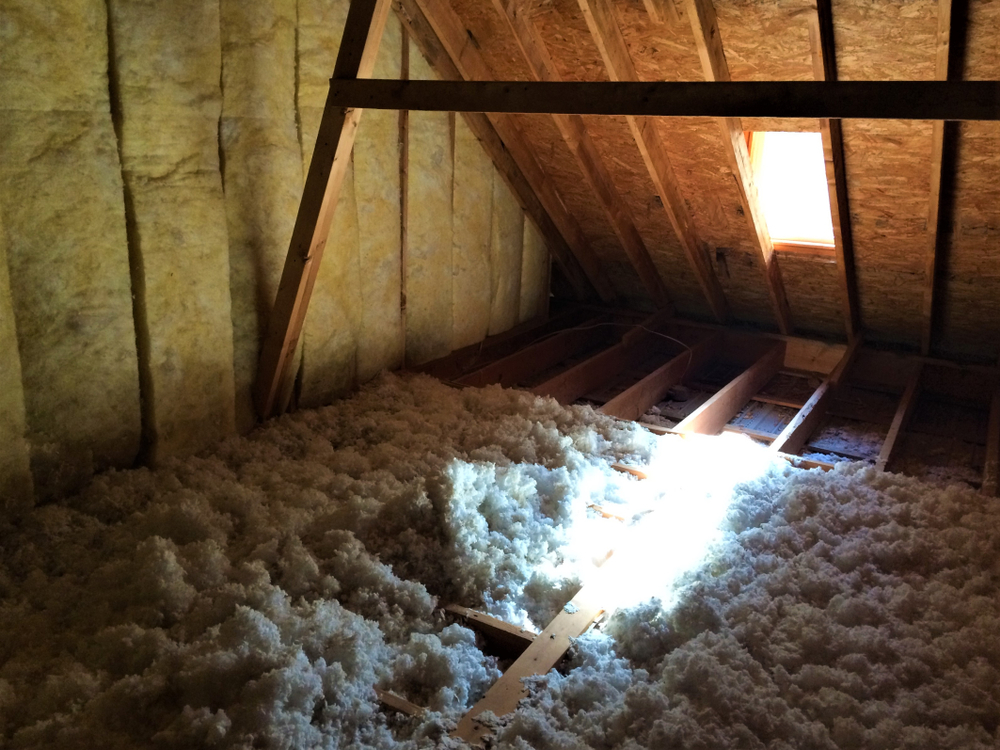
Blown-in insulation can fill gaps and irregular attic areas that are difficult to cover consistently with insulation batts.
-
Sacramento’s extended periods of summer heat make attic insulation an important part of controlling heat transfer into living spaces.
-
Older homes in neighborhoods such as East Sacramento, Land Park, and Curtis Park can have insulation conditions that differ substantially from newer construction.
-
Existing insulation should be inspected before simply adding more material over it.
-
Air sealing, ventilation, moisture concerns, and attic penetrations can affect how well an insulation upgrade performs.
Why Does Blown-In Insulation Matter in Sacramento?
Blown-in insulation matters in Sacramento because attic spaces can experience significant heat exposure during the region’s hot, dry summers, while older homes may have insulation that is thin, uneven, settled, or missing in certain areas. Improving attic insulation can help reduce unwanted heat transfer and support more consistent indoor temperatures throughout the year.
Sacramento’s climate creates a demanding environment for older homes. Summer afternoons can place substantial heat loads on roofs and attic spaces, while winter nights create a different comfort challenge.
Housing age also matters. Properties around East Sacramento, Midtown, Land Park, Curtis Park, and Oak Park may have been built under very different construction practices than newer homes elsewhere in Sacramento County.
Ace Insulation Inc. helps local property owners evaluate insulation needs and available solutions. When we look at an older home, the goal is not simply to add material. We consider the existing conditions and what type of insulation approach makes sense for the property.
What Do Local Conditions Tell Us About Older Home Insulation?
Local conditions suggest that attic insulation deserves particular attention in older area homes because Sacramento combines an aging housing stock in established neighborhoods with prolonged periods of summer heat. The actual condition of insulation still needs to be determined house by house rather than assumed from the property’s age.
For homeowners, the most useful information often comes from an attic inspection. Insulation may have settled, been moved during previous electrical or HVAC work, or simply provide inconsistent coverage.
These are practical property-specific observations rather than claims that every older house has inadequate insulation. Two homes built in the same decade can have very different conditions depending on renovations, previous insulation work, roof changes, and maintenance history.
How Can Inadequate Insulation Affect a Sacramento Home?
Inadequate or uneven insulation can allow more heat to move between an attic and the conditioned areas below, potentially contributing to uncomfortable rooms and greater demands on heating and cooling equipment. During Sacramento’s hottest months, that can become especially noticeable in rooms directly below the attic.
A homeowner might notice that upstairs bedrooms or west-facing rooms become uncomfortable later in the day. Other homes may have noticeable temperature differences between rooms even while the air conditioner is operating.
Insulation is not the only possible cause of those problems. HVAC performance, windows, ductwork, air leakage, shading, and other building-envelope conditions can contribute. That is why diagnosing the home before choosing a solution is important.
What Are the Warning Signs of an Insulation Problem?
Common warning signs include visibly thin or uneven attic insulation, noticeable room-to-room temperature differences, and living spaces that become difficult to keep comfortable during periods of extreme outdoor temperatures. These signs do not automatically mean blown-in insulation is the solution, but they can justify a closer inspection.
Watch for:
-
Insulation that does not evenly cover the attic floor.
-
Areas where insulation appears compressed, disturbed, or unusually thin.
-
Rooms directly beneath the attic that become noticeably warmer in summer.
-
Large comfort differences between different areas of the home.
-
Existing insulation that has been displaced around attic access points or previous work areas.
-
Drafts or obvious air leakage around ceiling penetrations.
-
Signs of moisture, staining, or other attic conditions that should be investigated before insulation is added.
When Should You Call an Insulation Professional?
You should consider a professional insulation evaluation when you cannot safely determine the condition of your attic insulation or when the attic contains electrical, moisture, ventilation, access, or other conditions that complicate the project. Older Sacramento homes can be particularly important to evaluate carefully before new material is installed.
Homeowners can often perform simple checks from a safe attic access point without entering the attic. You may be able to see whether insulation coverage looks obviously inconsistent or whether sections of the attic floor are exposed.
DIY inspection should stop when accessing the area requires walking across ceiling framing, disturbing unknown materials, approaching electrical components, or entering an attic with unsafe temperatures or limited clearance.
Why Might an Older Home Have Insulation Gaps?
Older homes can develop insulation gaps because materials settle or are disturbed over time, previous remodeling changes attic conditions, and earlier construction may not provide the same insulation coverage expected in a modern home. The specific cause should be identified before deciding how much new material to add.
Common causes include:
-
Settling or compression: Existing insulation may no longer have the depth or consistency it once had.
-
Past attic work: Electrical, HVAC, roofing, or other projects can disturb insulation and leave uncovered areas.
-
Irregular construction: Older rooflines and framing can create spaces that are awkward to cover with rigid or batt materials.
-
Air leakage: Gaps around penetrations can allow unwanted airflow even when insulation is present.
-
Moisture problems: Roof or condensation issues may damage insulation and should be addressed before new material is installed.
How Can Homeowners Maintain Effective Attic Insulation?
Homeowners can support effective attic insulation by periodically checking visible coverage, watching for moisture or disturbance, and addressing roof, ventilation, or air-leakage problems before they affect the insulation system. In the Sacramento area, an attic check before peak summer heat can help identify obvious issues while conditions are safer for inspection.
From the attic opening, look for major differences in insulation depth, exposed attic-floor areas, evidence that contractors have moved material, or signs of staining.
Avoid compressing insulation by storing belongings directly on it. Also avoid covering fixtures, vents, or equipment without knowing the applicable clearance and installation requirements.
If you are unsure what you are seeing, a professional assessment is safer than guessing.
What Results Can You Expect From Blown-In Insulation?
Properly installed blown-in insulation can create more consistent coverage across suitable attic areas and reduce unwanted heat transfer through the insulated assembly, but results depend on the home’s starting condition and other building-envelope factors. It should be treated as one part of the home’s overall comfort and efficiency system.
For some properties, the priority may be adding insulation. For others, air sealing or correcting an attic problem should happen first.
Homeowners should also keep expectations realistic. New insulation cannot correct an undersized or malfunctioning HVAC system, damaged ductwork, significant window problems, or every source of air leakage.
What Mistakes Should Sacramento Homeowners Avoid?
The biggest insulation mistakes are adding material without inspecting existing conditions, overlooking air leaks or moisture, and assuming that more insulation automatically solves every comfort problem. In an older Sacramento house, understanding the attic first can prevent unnecessary work and help identify the right solution.
Mistake: Covering an existing problem.
Consequence: Moisture damage or another attic issue may remain hidden beneath new material.
Better approach: Identify and address the underlying problem before installation.
Mistake: Ignoring air leakage.
Consequence: Insulation may be added while unwanted airflow continues through gaps and penetrations.
Better approach: Evaluate opportunities for appropriate air sealing before adding insulation.
Mistake: Assuming every uncomfortable room needs more insulation.
Consequence: The actual cause, such as ductwork or HVAC performance, may go unresolved.
Better approach: Consider the whole home before choosing a remedy.
What Is a Common Insulation Scenario in an Older Sacramento Home?
A common local scenario is an older home with an attic that still contains insulation but has inconsistent coverage, thin areas, or sections disturbed by previous work. In that situation, the right next step is to evaluate what is already present and determine whether supplemental blown-in insulation is appropriate.
Imagine a home in Land Park or East Sacramento that has undergone several updates over the decades. Electricians, HVAC technicians, or other contractors may have needed attic access. Insulation could have been moved aside in work areas and not redistributed evenly.
This is a representative scenario, not a specific Ace Insulation Inc. customer project. The important lesson is that insulation decisions should be based on current attic conditions rather than the age of the home alone.
Which Insulation Services Can Address These Problems?
The appropriate insulation solution may include adding blown-in material, addressing existing insulation conditions, or completing related preparation based on what an inspection reveals. For older homes, the best approach starts with determining what the attic needs rather than choosing a product before examining the space.
We can help homeowners understand whether blown-in insulation fits the home’s existing construction and insulation conditions. An evaluation can also identify issues that should be addressed before additional insulation is installed.
How Does Blown-In Insulation Compare With Other Options?
Blown-in insulation is especially useful for creating coverage across irregular attic spaces, while batt insulation can be practical where framing cavities are open, regular, and easy to access. The better choice depends on the existing insulation, attic configuration, access, and goals for the home.
Blown-in material can work around framing and many irregular areas without requiring individually cut pieces. That can make it useful when supplementing insulation in an existing attic.
Batts provide defined sections of insulation and may make sense in accessible, regularly spaced cavities where they can be installed properly without gaps or compression.
DIY installation can appear attractive, but older attics can contain conditions that make professional evaluation valuable before work begins.
Where Do We Help Local Homeowners With Insulation?
We serve homeowners in Sacramento and surrounding communities who want to better understand their insulation needs and available improvement options. Established neighborhoods such as Midtown, East Sacramento, Land Park, Curtis Park, and Oak Park illustrate the variety of older housing found throughout the local area.
Homes in nearby communities and elsewhere in Sacramento County may have different ages, attic layouts, and insulation histories, so recommendations should remain property-specific.
What Can Happen If You Ignore Poor Attic Insulation?
Ignoring inadequate or uneven attic insulation can allow comfort problems and unnecessary heat transfer to continue, particularly during Sacramento’s prolonged hot-weather periods. Waiting can also leave disturbed insulation, air leakage, or another attic condition unidentified.
Insulation usually is not an emergency simply because it is old. However, visible moisture, damaged materials, electrical concerns, or other potentially unsafe attic conditions deserve prompt attention.
Addressing insulation concerns before the hottest part of the year can also give homeowners more time to understand their options rather than reacting after indoor comfort becomes a major problem.
Frequently Asked Questions About Blown-In Insulation
Is blown-in insulation good for older Sacramento homes?
Yes, blown-in insulation can be a good choice for many older Sacramento homes when the attic is suitable and existing conditions have been evaluated first. It can provide coverage across irregular spaces and supplement existing insulation, but moisture, air leakage, ventilation, electrical conditions, and the current insulation should be considered before installation.
Can blown-in insulation be added over existing insulation?
Yes, blown-in insulation can sometimes be added over existing insulation, but the material already in place should be inspected first. If existing insulation is wet, contaminated, damaged, or concealing another problem, simply covering it may be inappropriate. The correct approach depends on what is found in the attic.
Why are upstairs rooms in my Sacramento home so hot?
Hot upstairs rooms can result from attic heat transfer, insufficient or uneven insulation, air leakage, duct problems, HVAC performance, windows, solar exposure, or a combination of factors. Because Sacramento experiences extended summer heat, problems involving the attic or building envelope can become particularly noticeable during hot afternoons.
When should Sacramento homeowners inspect attic insulation?
A practical time to check attic insulation is before the peak summer heat, especially if the home already has comfort problems. Sacramento attics can become extremely hot during summer conditions, so homeowners should limit DIY checks to safely visible areas and avoid entering an attic when temperatures or access conditions create a hazard.
Does every older home in Sacramento County need more insulation?
No, an older home does not automatically need additional insulation simply because of its age. Properties throughout Sacramento County have undergone different renovations and insulation upgrades over the years. Inspecting current insulation depth, coverage, condition, air leakage, and other attic factors provides a better basis for deciding whether improvements are needed.
Is blown-in insulation useful for irregular older attics?
Yes, blown-in insulation can be particularly useful in suitable attics with irregular areas because loose material can create coverage around framing and spaces that may be awkward for batt insulation. However, vents, fixtures, electrical components, attic access, and other features still need appropriate consideration during installation.
Should I air seal my Sacramento home before adding insulation?
Air sealing may be appropriate before additional insulation is installed when attic-floor penetrations and other leakage points are present. Insulation and air sealing perform different functions, so adding insulation alone does not necessarily address uncontrolled airflow. An evaluation can help determine which improvements make sense for the home’s current conditions.
Can blown-in insulation make my Sacramento home more comfortable?
Blown-in insulation may improve comfort when inadequate or inconsistent attic insulation is contributing to unwanted heat transfer. The result depends on the entire home, including HVAC performance, ductwork, windows, air leakage, shading, and existing insulation. It is best viewed as part of a broader approach to indoor comfort.
Make Your Older Home More Comfortable Through Sacramento’s Changing Seasons
Older homes deserve insulation recommendations based on how they are actually built and how their attics have changed over time. We can help you determine whether blown-in insulation is appropriate for your property and identify the insulation issues that deserve attention first.
Improve the comfort and insulation coverage of your local home.
Get a professional look at your attic and understand your options before deciding on an upgrade.