Older homes are part of what gives Sacramento neighborhoods their character, but aging insulation can make those homes harder to keep comfortable during long, hot summers and cool winter nights. If your house has an under-insulated attic, uneven temperatures, or insulation that has settled over time, adding blown-in insulation may be worth considering.
Quick answer:Blown-in insulation can be a good option for many older Sacramento homes because it can add thermal coverage to attic spaces without requiring major structural changes. It is especially useful for filling irregular areas and supplementing existing insulation. However, the condition of the current insulation, attic ventilation, air leaks, moisture, electrical components, and available space should be evaluated before deciding whether adding insulation is appropriate.
What local homeowners should know
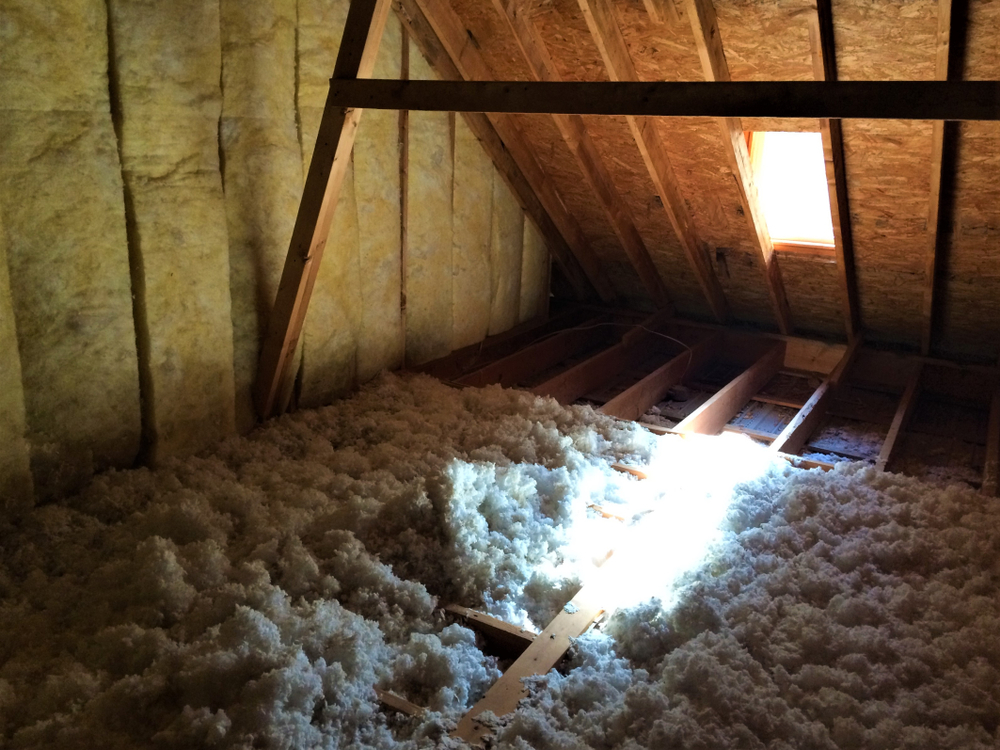
Blown-in insulation can fill gaps and irregular attic areas that are difficult to cover consistently with insulation batts.
Sacramento’s extended periods of summer heat make attic insulation an important part of controlling heat transfer into living spaces.
Older homes in neighborhoods such as East Sacramento, Land Park, and Curtis Park can have insulation conditions that differ substantially from newer construction.
Existing insulation should be inspected before simply adding more material over it.
Air sealing, ventilation, moisture concerns, and attic penetrations can affect how well an insulation upgrade performs.
Why Does Blown-In Insulation Matter in Sacramento?
Blown-in insulation matters in Sacramento because attic spaces can experience significant heat exposure during the region’s hot, dry summers, while older homes may have insulation that is thin, uneven, settled, or missing in certain areas. Improving attic insulation can help reduce unwanted heat transfer and support more consistent indoor temperatures throughout the year.
Sacramento’s climate creates a demanding environment for older homes. Summer afternoons can place substantial heat loads on roofs and attic spaces, while winter nights create a different comfort challenge.
Housing age also matters. Properties around East Sacramento, Midtown, Land Park, Curtis Park, and Oak Park may have been built under very different construction practices than newer homes elsewhere in Sacramento County.
Ace Insulation Inc. helps local property owners evaluate insulation needs and available solutions. When we look at an older home, the goal is not simply to add material. We consider the existing conditions and what type of insulation approach makes sense for the property.
What Do Local Conditions Tell Us About Older Home Insulation?
Local conditions suggest that attic insulation deserves particular attention in older area homes because Sacramento combines an aging housing stock in established neighborhoods with prolonged periods of summer heat. The actual condition of insulation still needs to be determined house by house rather than assumed from the property’s age.
For homeowners, the most useful information often comes from an attic inspection. Insulation may have settled, been moved during previous electrical or HVAC work, or simply provide inconsistent coverage.
These are practical property-specific observations rather than claims that every older house has inadequate insulation. Two homes built in the same decade can have very different conditions depending on renovations, previous insulation work, roof changes, and maintenance history.
How Can Inadequate Insulation Affect a Sacramento Home?
Inadequate or uneven insulation can allow more heat to move between an attic and the conditioned areas below, potentially contributing to uncomfortable rooms and greater demands on heating and cooling equipment. During Sacramento’s hottest months, that can become especially noticeable in rooms directly below the attic.
A homeowner might notice that upstairs bedrooms or west-facing rooms become uncomfortable later in the day. Other homes may have noticeable temperature differences between rooms even while the air conditioner is operating.
Insulation is not the only possible cause of those problems. HVAC performance, windows, ductwork, air leakage, shading, and other building-envelope conditions can contribute. That is why diagnosing the home before choosing a solution is important.
What Are the Warning Signs of an Insulation Problem?
Common warning signs include visibly thin or uneven attic insulation, noticeable room-to-room temperature differences, and living spaces that become difficult to keep comfortable during periods of extreme outdoor temperatures. These signs do not automatically mean blown-in insulation is the solution, but they can justify a closer inspection.
Watch for:
Insulation that does not evenly cover the attic floor.
Areas where insulation appears compressed, disturbed, or unusually thin.
Rooms directly beneath the attic that become noticeably warmer in summer.
Large comfort differences between different areas of the home.
Existing insulation that has been displaced around attic access points or previous work areas.
Drafts or obvious air leakage around ceiling penetrations.
Signs of moisture, staining, or other attic conditions that should be investigated before insulation is added.
When Should You Call an Insulation Professional?
You should consider a professional insulation evaluation when you cannot safely determine the condition of your attic insulation or when the attic contains electrical, moisture, ventilation, access, or other conditions that complicate the project. Older Sacramento homes can be particularly important to evaluate carefully before new material is installed.
Homeowners can often perform simple checks from a safe attic access point without entering the attic. You may be able to see whether insulation coverage looks obviously inconsistent or whether sections of the attic floor are exposed.
DIY inspection should stop when accessing the area requires walking across ceiling framing, disturbing unknown materials, approaching electrical components, or entering an attic with unsafe temperatures or limited clearance.
Why Might an Older Home Have Insulation Gaps?
Older homes can develop insulation gaps because materials settle or are disturbed over time, previous remodeling changes attic conditions, and earlier construction may not provide the same insulation coverage expected in a modern home. The specific cause should be identified before deciding how much new material to add.
Common causes include:
Settling or compression: Existing insulation may no longer have the depth or consistency it once had.
Past attic work: Electrical, HVAC, roofing, or other projects can disturb insulation and leave uncovered areas.
Irregular construction: Older rooflines and framing can create spaces that are awkward to cover with rigid or batt materials.
Air leakage: Gaps around penetrations can allow unwanted airflow even when insulation is present.
Moisture problems: Roof or condensation issues may damage insulation and should be addressed before new material is installed.
How Can Homeowners Maintain Effective Attic Insulation?
Homeowners can support effective attic insulation by periodically checking visible coverage, watching for moisture or disturbance, and addressing roof, ventilation, or air-leakage problems before they affect the insulation system. In the Sacramento area, an attic check before peak summer heat can help identify obvious issues while conditions are safer for inspection.
From the attic opening, look for major differences in insulation depth, exposed attic-floor areas, evidence that contractors have moved material, or signs of staining.
Avoid compressing insulation by storing belongings directly on it. Also avoid covering fixtures, vents, or equipment without knowing the applicable clearance and installation requirements.
If you are unsure what you are seeing, a professional assessment is safer than guessing.
What Results Can You Expect From Blown-In Insulation?
Properly installed blown-in insulation can create more consistent coverage across suitable attic areas and reduce unwanted heat transfer through the insulated assembly, but results depend on the home’s starting condition and other building-envelope factors. It should be treated as one part of the home’s overall comfort and efficiency system.
For some properties, the priority may be adding insulation. For others, air sealing or correcting an attic problem should happen first.
Homeowners should also keep expectations realistic. New insulation cannot correct an undersized or malfunctioning HVAC system, damaged ductwork, significant window problems, or every source of air leakage.
What Mistakes Should Sacramento Homeowners Avoid?
The biggest insulation mistakes are adding material without inspecting existing conditions, overlooking air leaks or moisture, and assuming that more insulation automatically solves every comfort problem. In an older Sacramento house, understanding the attic first can prevent unnecessary work and help identify the right solution.
Mistake: Covering an existing problem. Consequence: Moisture damage or another attic issue may remain hidden beneath new material. Better approach: Identify and address the underlying problem before installation.
Mistake: Ignoring air leakage. Consequence: Insulation may be added while unwanted airflow continues through gaps and penetrations. Better approach: Evaluate opportunities for appropriate air sealing before adding insulation.
Mistake: Assuming every uncomfortable room needs more insulation. Consequence: The actual cause, such as ductwork or HVAC performance, may go unresolved. Better approach: Consider the whole home before choosing a remedy.
What Is a Common Insulation Scenario in an Older Sacramento Home?
A common local scenario is an older home with an attic that still contains insulation but has inconsistent coverage, thin areas, or sections disturbed by previous work. In that situation, the right next step is to evaluate what is already present and determine whether supplemental blown-in insulation is appropriate.
Imagine a home in Land Park or East Sacramento that has undergone several updates over the decades. Electricians, HVAC technicians, or other contractors may have needed attic access. Insulation could have been moved aside in work areas and not redistributed evenly.
This is a representative scenario, not a specific Ace Insulation Inc. customer project. The important lesson is that insulation decisions should be based on current attic conditions rather than the age of the home alone.
Which Insulation Services Can Address These Problems?
The appropriate insulation solution may include adding blown-in material, addressing existing insulation conditions, or completing related preparation based on what an inspection reveals. For older homes, the best approach starts with determining what the attic needs rather than choosing a product before examining the space.
We can help homeowners understand whether blown-in insulation fits the home’s existing construction and insulation conditions. An evaluation can also identify issues that should be addressed before additional insulation is installed.
How Does Blown-In Insulation Compare With Other Options?
Blown-in insulation is especially useful for creating coverage across irregular attic spaces, while batt insulation can be practical where framing cavities are open, regular, and easy to access. The better choice depends on the existing insulation, attic configuration, access, and goals for the home.
Blown-in material can work around framing and many irregular areas without requiring individually cut pieces. That can make it useful when supplementing insulation in an existing attic.
Batts provide defined sections of insulation and may make sense in accessible, regularly spaced cavities where they can be installed properly without gaps or compression.
DIY installation can appear attractive, but older attics can contain conditions that make professional evaluation valuable before work begins.
Where Do We Help Local Homeowners With Insulation?
We serve homeowners in Sacramento and surrounding communities who want to better understand their insulation needs and available improvement options. Established neighborhoods such as Midtown, East Sacramento, Land Park, Curtis Park, and Oak Park illustrate the variety of older housing found throughout the local area.
Homes in nearby communities and elsewhere in Sacramento County may have different ages, attic layouts, and insulation histories, so recommendations should remain property-specific.
What Can Happen If You Ignore Poor Attic Insulation?
Ignoring inadequate or uneven attic insulation can allow comfort problems and unnecessary heat transfer to continue, particularly during Sacramento’s prolonged hot-weather periods. Waiting can also leave disturbed insulation, air leakage, or another attic condition unidentified.
Insulation usually is not an emergency simply because it is old. However, visible moisture, damaged materials, electrical concerns, or other potentially unsafe attic conditions deserve prompt attention.
Addressing insulation concerns before the hottest part of the year can also give homeowners more time to understand their options rather than reacting after indoor comfort becomes a major problem.
Frequently Asked Questions About Blown-In Insulation
Is blown-in insulation good for older Sacramento homes?
Yes, blown-in insulation can be a good choice for many older Sacramento homes when the attic is suitable and existing conditions have been evaluated first. It can provide coverage across irregular spaces and supplement existing insulation, but moisture, air leakage, ventilation, electrical conditions, and the current insulation should be considered before installation.
Can blown-in insulation be added over existing insulation?
Yes, blown-in insulation can sometimes be added over existing insulation, but the material already in place should be inspected first. If existing insulation is wet, contaminated, damaged, or concealing another problem, simply covering it may be inappropriate. The correct approach depends on what is found in the attic.
Why are upstairs rooms in my Sacramento home so hot?
Hot upstairs rooms can result from attic heat transfer, insufficient or uneven insulation, air leakage, duct problems, HVAC performance, windows, solar exposure, or a combination of factors. Because Sacramento experiences extended summer heat, problems involving the attic or building envelope can become particularly noticeable during hot afternoons.
When should Sacramento homeowners inspect attic insulation?
A practical time to check attic insulation is before the peak summer heat, especially if the home already has comfort problems. Sacramento attics can become extremely hot during summer conditions, so homeowners should limit DIY checks to safely visible areas and avoid entering an attic when temperatures or access conditions create a hazard.
Does every older home in Sacramento County need more insulation?
No, an older home does not automatically need additional insulation simply because of its age. Properties throughout Sacramento County have undergone different renovations and insulation upgrades over the years. Inspecting current insulation depth, coverage, condition, air leakage, and other attic factors provides a better basis for deciding whether improvements are needed.
Is blown-in insulation useful for irregular older attics?
Yes, blown-in insulation can be particularly useful in suitable attics with irregular areas because loose material can create coverage around framing and spaces that may be awkward for batt insulation. However, vents, fixtures, electrical components, attic access, and other features still need appropriate consideration during installation.
Should I air seal my Sacramento home before adding insulation?
Air sealing may be appropriate before additional insulation is installed when attic-floor penetrations and other leakage points are present. Insulation and air sealing perform different functions, so adding insulation alone does not necessarily address uncontrolled airflow. An evaluation can help determine which improvements make sense for the home’s current conditions.
Can blown-in insulation make my Sacramento home more comfortable?
Blown-in insulation may improve comfort when inadequate or inconsistent attic insulation is contributing to unwanted heat transfer. The result depends on the entire home, including HVAC performance, ductwork, windows, air leakage, shading, and existing insulation. It is best viewed as part of a broader approach to indoor comfort.
Make Your Older Home More Comfortable Through Sacramento’s Changing Seasons
Older homes deserve insulation recommendations based on how they are actually built and how their attics have changed over time. We can help you determine whether blown-in insulation is appropriate for your property and identify the insulation issues that deserve attention first.
Improve the comfort and insulation coverage of your local home.
Get a professional look at your attic and understand your options before deciding on an upgrade.
Insulating a commercial building is a significant investment that directly impacts energy efficiency, indoor air quality, and long-term maintenance costs. For contractors and developers working in regions like Northern California, especially cities such as Petaluma and Sacramento, the climate and building codes influence the insulation choice more than in many other areas. Among the most common materials used in commercial insulation are spray foam, fiberglass, and blown-in insulation. Each comes with its own set of advantages and drawbacks, and understanding these differences is critical for making informed decisions.
Understanding the Climate Demands of Northern California
Northern California experiences a unique blend of climate conditions that vary across its geography. Coastal areas like Petaluma are subject to more moderate temperatures with relatively high humidity levels. On the other hand, Sacramento, located inland, encounters hotter summers and cooler winters. These contrasting climate zones require tailored insulation solutions that perform well under thermal stress, minimize moisture intrusion, and support long-term energy efficiency.
Commercial properties in this region must also meet California’s stringent Title 24 energy efficiency standards, making insulation performance even more critical. The right insulation not only contributes to regulatory compliance but also helps businesses reduce operational costs in the long run. Before choosing between spray foam, fiberglass, or blown-in insulation, it is essential to factor in how these materials behave under regional conditions.
Spray Foam: High Performance with High Investment
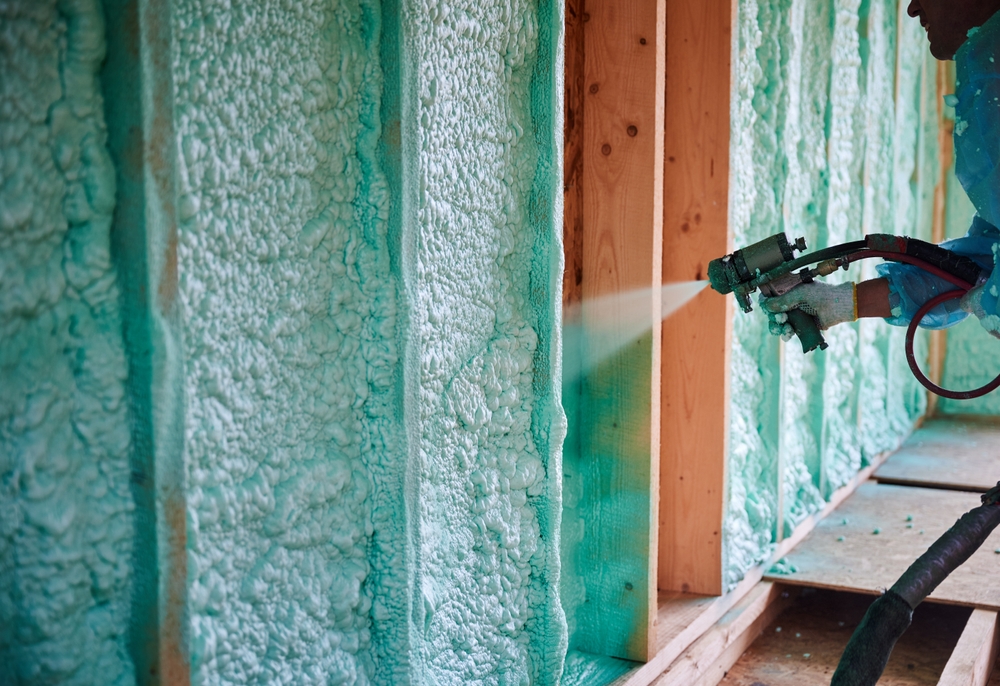
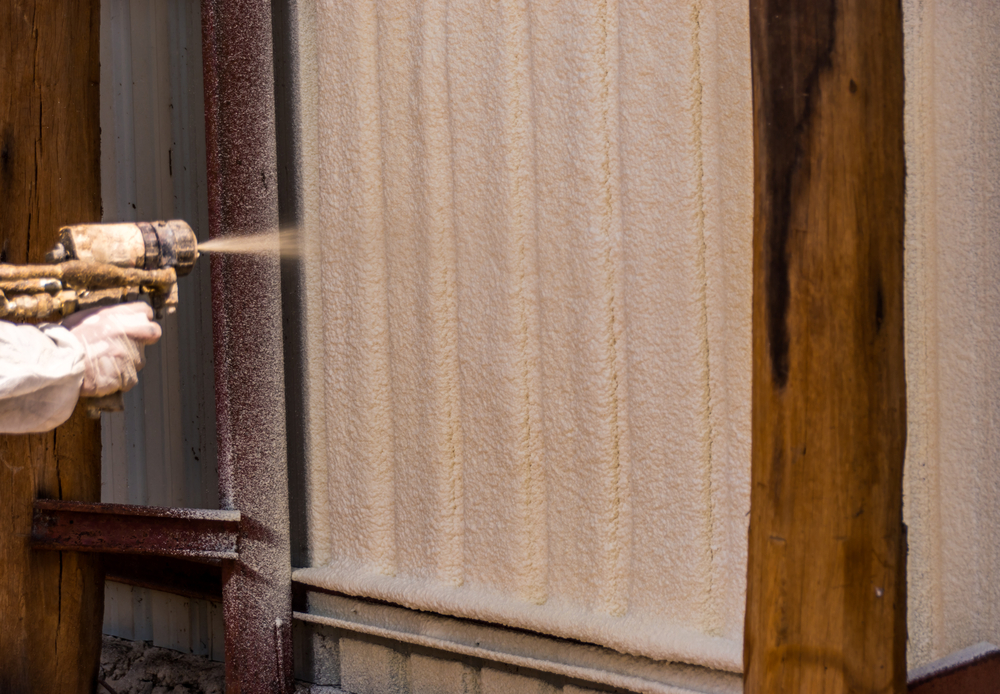
Spray foam insulation is often considered the premium choice due to its exceptional insulating properties and ability to seal gaps and cracks. It comes in two primary forms: open-cell and closed-cell. For commercial applications, closed-cell spray foam is typically favored because of its higher R-value per inch and moisture resistance.
In the Petaluma and Sacramento areas, where varying humidity and temperature shifts occur throughout the year, spray foam provides excellent thermal performance and air sealing. It prevents conditioned air from escaping and blocks outside air from infiltrating the building envelope. This air barrier quality is especially important for commercial facilities that prioritize indoor climate control, such as medical buildings, retail centers, and food storage units.
However, this level of performance comes at a cost. Spray foam is significantly more expensive upfront compared to fiberglass or blown-in insulation. Installation requires trained professionals and specialized equipment, which further adds to the expense. Despite this, the long-term energy savings and reduced maintenance can offset the initial investment, making spray foam an appealing choice for developers focused on sustainability and energy efficiency.
Fiberglass Insulation: Traditional, Cost-Effective, and Readily Available
Fiberglass insulation remains one of the most widely used insulation types in commercial construction. Its affordability and ease of installation make it attractive for projects with tight budgets or fast timelines. This material is typically installed in batts or rolls and is known for its resistance to fire and sound transmission.
For commercial buildings in Northern California, fiberglass is most effective in structures where walls and ceilings are designed to accommodate batt insulation during the initial build. In Sacramento, where summer heat can be intense, fiberglass helps delay heat transfer but lacks the sealing capability that spray foam offers. It is less effective at reducing air infiltration, which can lead to higher energy usage during peak seasons.
Petaluma’s slightly milder weather may make fiberglass a more acceptable option, especially in commercial applications where budget takes precedence over top-tier performance. However, it is essential to consider the risk of moisture accumulation. Fiberglass can trap moisture if not properly protected, leading to mold and deterioration. Using vapor barriers and ensuring proper ventilation can help mitigate these risks.
Blown-In Insulation: Flexible and Efficient for Retrofits
Blown-in insulation, made from cellulose or loose fiberglass, is another viable option for commercial applications, especially in retrofit projects. It is installed using pneumatic equipment that blows the insulation into cavities, attics, or hard-to-reach spaces, providing excellent coverage and a relatively tight thermal envelope.
This type of insulation works well in older commercial buildings in cities like Petaluma, where upgrading to modern insulation standards is often necessary. Blown-in insulation adapts to irregular spaces and can be added on top of existing materials, making it less invasive and more cost-effective for renovations. In areas like Sacramento, where cooling demands are high in the summer, blown-in insulation performs admirably in reducing energy loss through the roof and attic spaces.
Cellulose blown-in insulation is also environmentally friendly, as it is typically made from recycled paper products. However, it requires careful moisture management to prevent settling and mold. Loose fiberglass, while more moisture resistant, still has limitations in sealing air leaks compared to spray foam.
When considering blown-in vs fiberglass, the decision often comes down to the structure type and whether the building is new or being renovated. Blown-in insulation generally provides better coverage and thermal performance in older or oddly shaped commercial spaces. Fiberglass, on the other hand, is better suited for new construction with open cavities and standard framing.
Evaluating Your Commercial Insulation Needs
Choosing the right insulation material involves more than comparing R-values and prices. It requires a comprehensive evaluation of the building’s intended use, size, age, and location. In Petaluma and Sacramento, the differences in weather patterns and construction styles demand tailored solutions.
If the project involves a high-end commercial build with strict energy performance goals or involves sensitive equipment or inventory, spray foam offers unmatched insulation quality and air sealing. It is especially beneficial for facilities like tech hubs, data centers, or high-traffic office buildings that must maintain consistent temperatures year-round.
For developers focused on cost control or building out large-scale projects quickly, fiberglass remains a reliable option. It offers basic thermal protection and fire resistance at a lower cost, making it suitable for warehouses, general retail spaces, or light industrial facilities where climate control is less critical.
Blown-in insulation shines in retrofit scenarios and for improving thermal performance in existing buildings. It is also a suitable middle ground for budget-conscious developers who want better performance than fiberglass but cannot commit to the cost of spray foam.
The choice of insulation should also account for building codes, rebate programs, and environmental goals. Working with an experienced insulation contractor for builders ensures proper installation, code compliance, and long-term efficiency. Contractors in Northern California are well-versed in the local climate challenges and can recommend solutions that align with both budget and performance expectations.
Conclusion
Deciding between spray foam, fiberglass, and blown-in insulation for commercial projects in Northern California requires a balance between performance, cost, and application. Spray foam offers top-tier insulation and air sealing but demands a higher investment. Fiberglass provides a low-cost, straightforward solution best suited for new construction. Blown-in insulation presents a flexible and efficient option for retrofits or complex building shapes.
Ultimately, the right material depends on the specific requirements of the building and the goals of the developer. Whether working in coastal Petaluma or inland Sacramento, understanding how each insulation type responds to local conditions is key. Partnering with a knowledgeable insulation contractor for builders will ensure the project meets both energy efficiency standards and long-term operational needs. With careful planning and informed decision-making, commercial insulation can become a long-term asset rather than just a building requirement.
Need Insulation Near You?
Since 2001, Ace Insulation Inc. has been your premier insulation experts. We take pride in being locally owned and operated as well as offering high-quality service. We specialize in the installation of insulation. Whether you are building a new home or renovating your existing space, we are the place to call. We have many materials to choose from, including fiberglass and spray foam. If you are looking for high-quality work, call us today to schedule your next consultation!
When winter approaches, homeowners along the California coast and in Nevada begin to look for effective ways to stay warm while keeping energy bills manageable. One of the most reliable solutions is improving your home’s insulation. Two of the most popular types are blown-in insulation and spray foam insulation. Each has its own set of advantages and limitations, and their performance can vary based on regional climate. This guide provides a thorough insulation comparison focused on how each option performs for California coast and Nevada home insulation needs, helping you choose the best insulation for winter upgrades.
Climate and Environmental Considerations
Understanding the environmental conditions of the California coast and Nevada is essential to determining the right type of insulation. The California coast typically enjoys mild winters, with relatively stable temperatures, high humidity, and minimal snowfall. On the other hand, Nevada experiences more extreme temperature fluctuations, with cold desert nights, dry air, and higher heating demands during the winter.
Because these two regions differ in their climate conditions, the type of insulation that works best for one area may not be suitable for the other. Homes along the coast may need insulation that deals well with moisture, while homes in Nevada require solutions that prioritize air sealing and thermal resistance. Choosing between spray foam insulation and blown-in insulation depends largely on how well each handles the unique demands of these locations.
Benefits and Challenges of Blown-In Insulation
Blown-in insulation is made from loose-fill materials, typically fiberglass or cellulose, and is applied using a blower machine to fill attics, walls, and other cavities. This type of insulation works particularly well for older homes or retrofit projects where access to wall cavities is limited. It settles into place easily and conforms around obstacles like wiring and piping.
For homes along the California coast, blown-in insulation can be a cost-effective and efficient choice. It offers decent thermal resistance for areas that do not experience severe cold and helps control sound, which is a useful bonus in coastal communities affected by wind and ocean noise. Installation is relatively fast and non-invasive, making it ideal for homeowners looking to upgrade without undergoing major renovations.
However, blown-in insulation has some limitations. Over time, it may settle and lose some of its insulating properties. It also does not offer a complete air seal, which means drafts may still occur in homes exposed to strong coastal winds or those built with older construction techniques. In humid environments, such as the California coast, blown-in insulation must be paired with proper ventilation to prevent moisture buildup, which can lead to mold or mildew over time.
In Nevada, blown-in insulation can still be beneficial, especially when budget constraints are a concern. But in homes with higher heating needs, the lack of airtight sealing may limit its overall effectiveness. When compared to spray foam insulation, blown-in materials offer less control over indoor temperature consistency in colder, drier climates.
The Advantages of Spray Foam Insulation in Winter Conditions
Spray foam insulation starts as a liquid and expands into a solid foam when applied, sealing every gap, crack, and crevice it touches. It provides superior air sealing and high R-values, which measure how well insulation resists heat flow. Because it hardens after expansion, it forms a tight barrier against both temperature fluctuations and air infiltration.
This makes spray foam insulation particularly suitable for Nevada home insulation needs. The desert climate and extreme temperature swings require materials that can keep warm air in and cold air out. Spray foam’s ability to create an airtight envelope around the home helps minimize energy loss and maintain consistent indoor temperatures throughout the winter. Homes in Nevada benefit from reduced heating bills, fewer drafts, and better overall energy efficiency.
Another advantage is moisture resistance. Although Nevada is dry, small amounts of moisture infiltration can still occur. Spray foam acts as both an insulator and a vapor barrier, offering dual protection against heat loss and water intrusion. It also strengthens walls and ceilings by adding structural integrity where applied.
However, spray foam insulation comes with a higher price tag than blown-in insulation. Installation requires professional expertise, and mistakes during application can lead to uneven coverage or poor performance. Additionally, homes on the California coast must be cautious about over-sealing with spray foam. While its airtight quality is a benefit in Nevada, in humid coastal regions it can trap moisture inside wall assemblies if not installed with proper vapor management systems. This can increase the risk of condensation and mold growth in wood-frame homes.
Cost, Installation, and Long-Term Value
Blown-in insulation is generally more affordable upfront. It requires less technical expertise to install and is often completed within a single day. This makes it an attractive option for California coast homeowners who may not need the extensive benefits that spray foam insulation provides. The cost of materials and labor is lower, and in many cases, existing insulation can be supplemented rather than replaced entirely.
The downside is that blown-in insulation may not provide the best long-term value in harsher winter climates like Nevada. It lacks the durability and thermal resistance that spray foam insulation offers. Settling can reduce its effectiveness over time, and it may need to be topped off or replaced after a decade or so.
Spray foam insulation, although more expensive initially, can provide better value over the life of the home. It has a longer lifespan, typically lasting the full lifetime of the structure, and significantly reduces heating and cooling costs. For Nevada homeowners, the investment often pays for itself in energy savings and improved comfort. For California coast residents, the return on investment may be less dramatic, especially if the climate does not demand high-performance insulation.
Another consideration is renovation flexibility. Blown-in insulation is easier to remove and replace if walls are opened during future remodeling. Spray foam, once cured, is difficult to remove and can complicate upgrades to electrical systems, plumbing, or HVAC ducts hidden behind walls.
Making the Right Choice Based on Location and Needs
When choosing the best insulation for winter, it is essential to match the product with the climate and performance expectations. Along the California coast, where winters are mild and moisture can be an issue, blown-in insulation offers a practical balance of cost, efficiency, and ease of installation. It can meet the basic thermal needs of coastal homes while avoiding the risks associated with overly sealed wall assemblies.
In contrast, spray foam insulation is often the superior choice for Nevada homes. Its ability to completely seal the building envelope makes it well suited to a dry, cold climate where heat retention is a top priority. For homeowners looking to make a significant investment in energy efficiency and comfort, spray foam offers unmatched performance during harsh winters.
Some homeowners may also consider a hybrid approach. For example, spray foam insulation can be used in hard-to-seal areas such as rim joists, while blown-in insulation can cover attic floors. This strategy allows for cost savings while still improving thermal performance and energy efficiency.
Each home is unique, and insulation decisions should be based on a full understanding of the property, climate conditions, and long-term goals. Consulting with a qualified insulation contractor can provide tailored recommendations for your specific situation.
Conclusion
Upgrading your insulation is one of the most effective ways to improve comfort and energy efficiency during the winter months. For homes on the California coast, blown-in insulation is often the best insulation for winter, offering a practical and affordable way to stay warm without over-engineering the building envelope. Its ease of installation and performance in mild climates make it a popular choice.
In Nevada, where winter temperatures drop more significantly, spray foam insulation stands out as the most effective solution. Its superior sealing capability and high R-value make it ideal for homes that need to retain heat and reduce energy loss.
When comparing spray foam insulation and blown-in insulation, the right choice depends on regional climate, budget, and long-term expectations. Both have their place in winter upgrade strategies, and when selected carefully, either can contribute to a warmer, more efficient home tailored to the unique needs of your location.
Need Insulation Near You?
Since 2001, Ace Insulation Inc. has been your premier insulation experts. We take pride in being locally owned and operated as well as offering high-quality service. We specialize in the installation of insulation. Whether you are building a new home or renovating your existing space, we are the place to call. We have many materials to choose from, including fiberglass and spray foam. If you are looking for high-quality work, call us today to schedule your next consultation!
As autumn rolls into full swing and November weather starts setting in across California, homeowners in regions like the Sierra Nevada and the coast begin to think about the changing temperatures. Proper attic insulation becomes a critical concern, particularly in areas where the weather can vary significantly. Coastal California brings cool, moist ocean breezes, while the Sierra Nevada experiences sharp drops in temperature and potential early snowfall. Choosing the right type of insulation—blown-in insulation or batt insulation—can make a noticeable difference in home comfort, energy efficiency, and long-term costs.
Before committing to one over the other, it’s essential to conduct an insulation comparison that considers not only performance but also the unique climate demands of your location. Let’s break down how blown-in and batt insulation perform under the distinct conditions of California’s coast and the Sierra Nevada in November.
Understanding Blown-In Insulation in California’s Climate
Blown-in insulation, also known as loose-fill insulation, is typically made from cellulose, fiberglass, or mineral wool and is blown into attics or wall cavities using a special machine. One of its primary advantages is its ability to fill irregular or hard-to-reach spaces, making it particularly effective for attic insulation in older or oddly shaped homes, which are common along California’s coast.
In November, the coastal regions of California are cooler and more humid. While these temperatures are not extreme, heat loss during the evenings and early mornings can become noticeable without proper insulation. Blown-in insulation performs well in these conditions due to its density and ability to reduce air leakage, which helps maintain consistent indoor temperatures. Additionally, blown-in insulation has a slightly higher R-value per inch than most batt insulation types, meaning it can provide better thermal resistance in a smaller space.
Another major advantage of blown-in insulation for coastal homes is its resistance to moisture. Cellulose-based blown-in insulation is often treated to be mold and pest resistant, which is crucial in humid climates where condensation and damp air could otherwise lead to mildew and mold growth in the attic. This makes blown-in insulation an excellent choice for insulation for coastal homes, where environmental moisture is a constant factor.
Performance of Batt Insulation in the Sierra Nevada Region
Batt insulation, usually made from fiberglass or mineral wool, comes in pre-cut panels or rolls and is fitted between wall studs, joists, and beams. It’s widely used because of its affordability, ease of installation, and accessibility. When properly installed, batt insulation provides consistent thermal protection and is a go-to solution for many contractors across California.
In the Sierra Nevada, November typically ushers in early winter-like conditions with nighttime temperatures often dropping below freezing in higher elevations. These homes need an insulation solution that can provide reliable and sustained thermal performance in colder conditions. Batt insulation, with its thick layers, performs well in these scenarios by providing an effective barrier against cold air penetration and heat loss.
However, one of the challenges in Sierra Nevada homes is the architectural variety and potential for insulation gaps. Since batt insulation must be cut and manually installed, it may not seal perfectly around wires, pipes, or irregular framing. These gaps can reduce the overall effectiveness of the insulation and allow drafts. For this reason, while batt insulation performs admirably in well-constructed new homes in the Sierra Nevada, its effectiveness might be compromised in older structures unless installed with extra precision.
Moisture control is another consideration. Although the Sierra Nevada is generally dry, snow melt and freeze-thaw cycles can lead to moisture infiltration in attics. Batt insulation does not have inherent moisture resistance and may need to be paired with vapor barriers or other moisture control measures to maintain its performance over time.
Insulation Comparison: Cost, Installation, and Energy Efficiency
When evaluating blown-in insulation versus batt insulation, cost and installation complexity play significant roles. Batt insulation is typically more affordable on a per-square-foot basis and can be a DIY-friendly project for those with basic home improvement skills. Its straightforward installation process makes it appealing for quick retrofits or upgrades.
Blown-in insulation, on the other hand, often requires professional installation due to the equipment involved. While this can increase upfront costs, it also ensures a more comprehensive and custom fit, particularly in attics with complex framing or existing obstructions. In the long run, this tighter fit may lead to better energy efficiency and lower heating costs during the colder months in both coastal and mountainous regions.
From an energy efficiency standpoint, blown-in insulation often holds an advantage due to its superior air sealing qualities. Homes with blown-in attic insulation tend to retain warmth better, reducing the workload on heating systems. This can be a major benefit in November, especially in the Sierra Nevada, where heating demands ramp up quickly. In coastal California, energy savings may be more modest due to milder temperatures, but maintaining stable indoor comfort without relying heavily on heating systems still results in meaningful efficiency gains.
When performing an insulation comparison, it’s also worth considering the environmental impact. Cellulose blown-in insulation is often made from recycled materials and has a lower embodied energy footprint compared to fiberglass batt insulation. For eco-conscious homeowners, this might tip the scale in favor of blown-in insulation as a more sustainable choice.
Attic Insulation Best Practices for November Preparation
Whether you choose blown-in insulation or batt insulation, preparing your attic properly for November weather in California is essential. The attic plays a key role in regulating the overall temperature of the home and minimizing energy loss. In both the coast and the Sierra Nevada, even small inefficiencies in attic insulation can lead to noticeable spikes in energy bills.
Start with an inspection of your existing insulation. Check for signs of moisture, settling, or deterioration, especially if your home has older insulation. Blown-in insulation can settle over time, reducing its R-value, while batt insulation can become compressed or shift out of place. Addressing these issues before the coldest part of the year hits is critical.
In coastal homes, focus on sealing gaps where humid air can enter. Adding vapor barriers and ensuring proper ventilation in the attic helps reduce the risk of mold and mildew. For Sierra Nevada homes, consider adding additional layers of batt insulation or topping off existing insulation with a layer of blown-in material for added warmth and sealing power.
It’s also wise to consult with a local insulation expert who understands the specific weather patterns and building codes in your area. Their expertise can guide you in choosing the right insulation type and amount for maximum benefit during November and beyond.
Choosing the Right Insulation for Coastal and Sierra Nevada Homes
The decision between blown-in and batt insulation often comes down to your home’s specific structure, climate exposure, and insulation goals. In coastal California, where humidity and mild coolness dominate November weather, blown-in insulation’s ability to tightly seal small gaps and resist moisture makes it particularly well-suited. For homes built before modern construction standards, blown-in insulation can be retrofitted to enhance performance without significant renovation.
In contrast, for Sierra Nevada homes bracing for colder and potentially snowy Novembers, batt insulation can offer strong thermal protection, especially when installed with precision and care. Its affordability and availability make it a popular choice, but extra steps may be required to manage air leakage and moisture control.
Ultimately, for both coastal and mountainous regions, the best results often come from hybrid solutions. Some homeowners choose to combine batt insulation with a top layer of blown-in material in the attic, capitalizing on the strengths of each method. This layered approach can improve both air sealing and overall R-value, offering optimal protection against the varied challenges of California’s diverse climates.
Conclusion
When considering blown-in insulation versus batt insulation for homes in Coastal California and the Sierra Nevada, it’s important to understand how each performs under November’s specific conditions. Blown-in insulation excels in humid, coastal environments where airtight sealing and moisture resistance are crucial. Batt insulation, with its solid thermal resistance, is a reliable option in colder mountainous areas like the Sierra Nevada.
An effective insulation comparison should weigh not only climate factors but also installation requirements, long-term energy savings, and the age and design of the home. Whether you are upgrading attic insulation before winter or building a new home, selecting the right type can significantly improve indoor comfort and lower heating costs. By preparing now, you’ll enjoy a warmer, more efficient home all season long, no matter which California region you call home.
Need Insulation Near You?
Since 2001, Ace Insulation Inc. has been your premier insulation experts. We take pride in being locally owned and operated as well as offering high-quality service. We specialize in the installation of insulation. Whether you are building a new home or renovating your existing space, we are the place to call. We have many materials to choose from, including fiberglass and spray foam. If you are looking for high-quality work, call us today to schedule your next consultation!
As the vibrant colors of fall sweep through the trees and the temperatures begin to dip, homeowners across California begin to think about preparing their homes for the colder months. One of the most effective ways to maintain a comfortable and energy-efficient home through winter is installing blown-in attic insulation. However, many overlook a crucial preparatory step before sealing in all that comfort: tackling fall dust and pollen that accumulate in attics during the transitional season.
Blown-in attic insulation offers numerous benefits, from reducing energy costs to stabilizing indoor temperatures, but it can inadvertently trap airborne allergens if proper steps are not taken beforehand. In this blog, we’ll explore how to handle fall dust allergies, improve insulation and indoor air quality, and perform attic prep before winter to ensure your insulation project provides lasting results without compromising your health or comfort.
Understanding the Fall Dust and Pollen Problem
Every fall, leaves, pollen, dust, and other particulates become more prevalent, especially in areas like California where dry weather and seasonal winds stir up debris. These microscopic particles often find their way into homes, particularly through attics, which tend to have gaps, vents, and other openings that are susceptible to outdoor air infiltration.
For individuals with respiratory issues, allergies, or sensitivities, this can become a real problem. Fall dust allergies are frequently triggered by weed pollens, mold spores, and decaying plant material that settle in attic spaces. Over time, if not cleaned or filtered out, these contaminants can become embedded in insulation materials and circulate throughout the home.
When homeowners add new layers of blown-in attic insulation without cleaning out these particulates first, they risk sealing in allergens that can degrade the overall air quality of their living space. That’s why understanding the seasonal dust and pollen problem is a critical first step in preparing for an insulation upgrade.
Why Blown-In Insulation is a Smart Choice
Blown-in attic insulation has become increasingly popular in both new homes and retrofits because of its ability to fill small crevices and cover uneven attic surfaces. It’s a loose-fill material, typically made from fiberglass or cellulose, and can be distributed uniformly across the attic floor, creating a seamless thermal barrier.
In California, where summers are hot and winters can vary depending on the region, blown-in attic insulation provides year-round energy efficiency. It helps homes stay cooler in the summer and warmer in the winter, reducing HVAC usage and energy bills. Additionally, it is an environmentally friendly option, particularly cellulose, which is often made from recycled paper.
However, the key to maximizing its benefits lies in ensuring that the space it occupies is clean and clear of dust and debris. Installing insulation over a layer of pollen or mildew spores can have long-term negative effects on insulation and indoor air quality, leading to discomfort, odors, and potential health risks.
Prepping Your Attic Before Winter
Fall is the perfect time for attic prep before winter, especially before installing new insulation. The mild weather provides a good window for homeowners and contractors to inspect, clean, and seal attics thoroughly. A comprehensive attic preparation process will involve a detailed inspection to identify and remove any dust, pollen, mold, or rodent droppings that may have accumulated over the warmer months.
This process typically starts with vacuuming or blowing out loose dust and organic matter. Depending on the age of the home and previous maintenance, this may also include removing old insulation that is damp, compacted, or contaminated. Any leaks or water damage discovered during this stage must be repaired, as moisture can severely compromise insulation performance.
Next comes sealing. Attic air sealing is an essential step in preventing drafts and keeping contaminants out. By caulking or using foam sealant to close gaps around pipes, wiring holes, attic hatches, and vents, homeowners can significantly reduce the infiltration of outdoor air and allergens. Proper sealing also enhances the performance of blown-in attic insulation by minimizing heat loss and eliminating paths for air leakage.
How Insulation Affects Indoor Air Quality
It’s easy to think of insulation as only a thermal barrier, but its impact on indoor air quality is equally significant. When done right, insulation helps create a tightly controlled indoor environment, limiting the exchange between indoor and outdoor air. This is especially important in areas of California where urban pollution, wildfire smoke, and seasonal allergens are increasingly problematic.
Insulation and indoor air quality are directly connected through the materials used, the state of the attic space, and how well it has been sealed. If the attic was dirty or moldy before installation, then the insulation will lock those problems into the structure of the home, allowing them to slowly seep into living areas over time. Additionally, poorly installed or low-quality insulation can break down, releasing fibers and particles into the air.
Choosing blown-in attic insulation made from non-toxic, mold-resistant materials is essential. Fiberglass insulation is naturally resistant to moisture and mold growth, while cellulose insulation is treated with fire-retardant and antifungal chemicals. Regardless of the material, homeowners should always prioritize cleaning and sealing the space first to safeguard their indoor air quality.
Best Practices for Insulating California Attics
When it comes to attic insulation, California presents unique challenges and opportunities. The state’s diverse climate zones—from coastal fog to desert heat—require careful consideration of insulation R-values and ventilation requirements. In Southern California, for instance, homes benefit from insulation that not only prevents heat loss in winter but also mitigates heat gain in summer.
Blown-in attic insulation is well-suited for this task, especially when combined with strategic attic ventilation. Ensuring adequate airflow through soffit and ridge vents helps maintain attic temperature and moisture balance, preventing mold and overheating. For homes located in wildfire-prone areas, it’s also important to use fire-resistant insulation materials and screen attic vents to prevent ember intrusion.
Before hiring a contractor or embarking on a DIY project, homeowners should ensure they understand the scope of their attic’s condition. A professional energy audit can identify weak spots in insulation coverage, air leaks, and areas where attic air sealing is needed. By combining proper cleaning, sealing, and high-quality blown-in insulation, California homeowners can enjoy energy savings, improved comfort, and healthier indoor air throughout the year.
Conclusion
Tackling fall dust and pollen before insulating your attic is more than just a smart seasonal chore—it’s a foundational step in protecting your home’s health, comfort, and efficiency. Blown-in attic insulation can significantly improve temperature control and energy savings, but only when it’s installed in a clean, well-prepped space.
For those prone to fall dust allergies, this preparation becomes even more critical. Taking the time in autumn to clean, seal, and ventilate your attic sets the stage for long-term benefits that go beyond insulation. It contributes to better indoor air quality, reduces the presence of allergens, and ensures that the insulation you install will perform at its best for years to come.
As the chill of winter approaches, don’t just think about keeping warm. Think about sealing in comfort responsibly. Invest in a thorough attic prep before winter and make sure your insulation solution is built on a clean, allergen-free foundation. Whether you live in the coastal regions or the dry interior valleys of California, your home—and your health—will thank you.
Need Insulation Near You?
Since 2001, Ace Insulation Inc. has been your premier insulation experts. We take pride in being locally owned and operated as well as offering high-quality service. We specialize in the installation of insulation. Whether you are building a new home or renovating your existing space, we are the place to call. We have many materials to choose from, including fiberglass and spray foam. If you are looking for high-quality work, call us today to schedule your next consultation!
Areas Served
Proudly providing residential and commercial insulation installation to Petaluma, CA and the surrounding areas including:
Certificate of Approved Applicator from SWD, approved to install quik-shield polyurethane foam and coating products in residential and commercial applications according to the standards and guidelines as set forth by SWD Urethane