Insulation has the same basic job everywhere, but the conditions it has to handle can change significantly from one community to another. A Sacramento attic exposed to intense summer heat faces different demands than a Petaluma home influenced by cooler coastal weather or a Sparks property dealing with colder winters and larger temperature swings.
Quick answer: R-value measures how well insulation resists heat flow. In general, a higher R-value provides greater thermal resistance, but the right insulation level depends on where the material is installed, the home’s existing construction, local climate, and applicable building requirements. Homeowners should look beyond the number on the insulation label and consider air sealing, installation quality, available space, and the condition of existing insulation.
What local homeowners should know
R-value measures resistance to heat flow, not the overall quality of an insulation project.
Sacramento homeowners often benefit from paying particular attention to attic insulation because roofs and attic spaces experience substantial summer heat.
Petaluma’s milder, moisture-influenced conditions make proper air sealing and moisture management important parts of the insulation strategy.
Sparks homes need insulation that performs through both cold winter conditions and warm, dry summer periods.
Gaps, compression, settling, and air leaks can reduce real-world performance even when the insulation itself has a suitable labeled R-value.
Why R-Value Matters for Homes in This Region
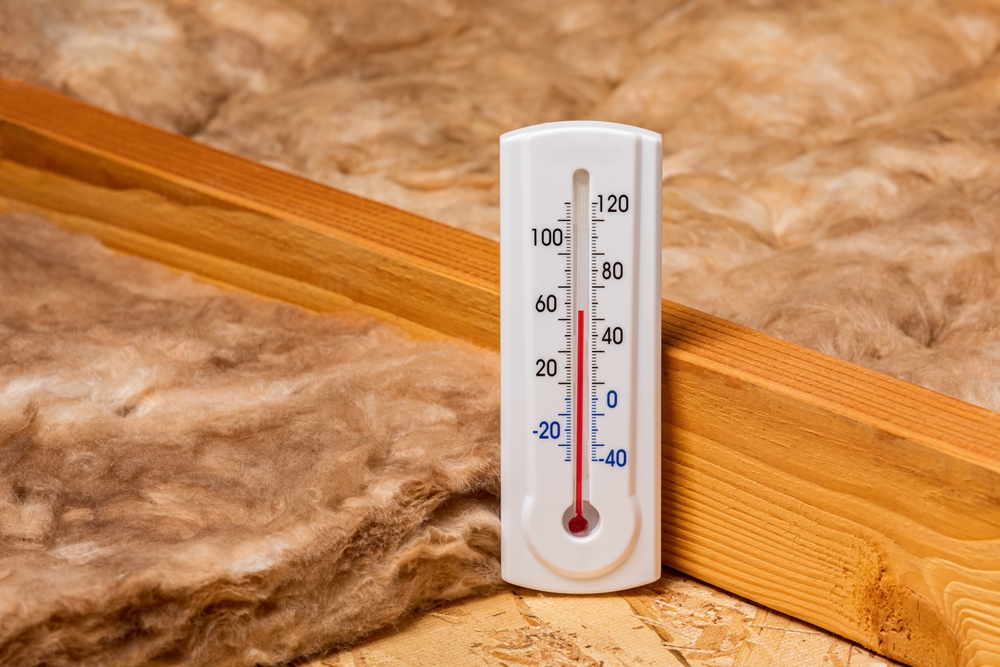
R-value matters locally because Sacramento, Petaluma, and Sparks place different heating and cooling demands on the building envelope, so the same insulation approach is not automatically ideal in all three communities. The goal is to slow unwanted heat movement while keeping indoor temperatures more stable throughout each area’s seasonal changes.
In Sacramento and surrounding Sacramento County, long periods of summer heat can make an under-insulated attic a major source of heat gain. Neighborhoods with older housing stock may also have insulation that has settled, been disturbed, or simply reflects standards from an earlier era.
Petaluma and Sonoma County have a different pattern. Cooler nights, marine influence, and seasonal moisture mean insulation should work as part of an assembly that also manages airflow and moisture correctly.
Across the state line in Sparks and the greater Reno-Sparks area of Washoe County, winter temperatures create a stronger heating-season concern. Larger day-to-night temperature swings also make consistent thermal protection valuable.
Ace Insulation Inc. helps property owners evaluate insulation based on the home itself rather than choosing a product solely because it has a higher number. We look at location, existing conditions, the insulated assembly, and areas where unwanted airflow may be undermining performance.
What R-Value Actually Tells You
R-value tells you how strongly an insulation material resists conductive heat flow, with higher values representing greater resistance under rated conditions. It is useful for comparing insulation levels, but it does not tell you whether the material was installed correctly, whether air is leaking around it, or whether moisture has affected the assembly.
The U.S. Department of Energy explains that appropriate insulation levels vary according to climate zone and the part of the home being insulated. Attics, exterior walls, floors, crawl spaces, and other assemblies may therefore call for different approaches.
That distinction is especially relevant locally. Adding insulation to a Sacramento attic may be straightforward if there is accessible space, while improving the R-value of finished walls in an older Midtown-area home may require a different method.
How Sacramento, Petaluma, and Sparks Differ
Sacramento, Petaluma, and Sparks require different insulation priorities because their temperature patterns, seasonal moisture, and heating-versus-cooling demands are not the same. R-value should therefore be selected as part of a climate-appropriate insulation strategy rather than treated as a universal target.
Sacramento: Hot summers make attic and roof-level heat control especially important. Air leaks around penetrations, attic hatches, recessed areas, and other openings can also allow conditioned air to escape.
Petaluma: The North Bay’s milder climate does not eliminate insulation needs. Homes can still lose heat during cool periods, while airflow and moisture considerations deserve attention when modifying older wall or attic assemblies.
Sparks: Colder winter weather increases the importance of limiting heat loss. Homes near Sparks and Reno may also experience pronounced temperature swings, making adequate insulation and air sealing useful during both heating and cooling seasons.
Warning Signs Your Home May Need More Insulation
Common signs of inadequate or poorly performing insulation include uneven temperatures, excessive HVAC use, hot ceilings, cold interior surfaces, and visible deterioration or gaps in existing insulation. These symptoms do not automatically prove that R-value is the problem, but they are good reasons to have the building envelope evaluated.
Watch for:
Upstairs rooms that become noticeably hotter than the rest of the home during Sacramento summers.
Rooms that cool down quickly after the heating system shuts off in Sparks.
Large temperature differences between rooms.
Existing attic insulation that appears thin, uneven, compressed, or displaced.
Drafts near attic access points, plumbing penetrations, or other openings.
HVAC equipment that seems to run for long periods during extreme temperatures.
Areas where insulation has been disturbed by previous electrical, plumbing, or remodeling work.
Common Reasons Insulation Underperforms Locally
Insulation commonly underperforms because there is too little material, the insulation has gaps or compression, air leakage bypasses it, or past work has disturbed the thermal barrier. Local climate can make those weaknesses more noticeable because Sacramento heat, Petaluma’s cooler seasonal conditions, and Sparks winters place different stresses on the home.
One frequent issue is insufficient attic coverage. Older homes may have insulation levels that no longer provide the comfort homeowners expect.
Another is air leakage. Insulation slows conductive heat movement, while air sealing addresses uncontrolled airflow. Treating only one part of the problem can leave comfort issues unresolved.
A third issue is poor installation. Batts that are compressed, insulation installed around obstacles with gaps, or blown material with inconsistent depth can reduce effective performance.
Finally, renovations and repairs can alter an otherwise functional insulation layer. Anyone who has had extensive wiring, duct, plumbing, or remodeling work completed should consider checking areas that were accessed.
When to Call an Insulation Professional
A professional evaluation makes sense when comfort problems persist, insulation is difficult to access, existing material is damaged or uneven, or you are unsure what R-value and insulation type fit the home’s construction. Homeowners can perform basic visual checks, but determining the right upgrade often requires looking at the entire thermal and air-control system.
A Sacramento homeowner can safely look into an accessible attic from the entry point and note obvious thin or bare areas. However, walking through unfinished attic spaces can create fall hazards and damage ceilings, wiring, ductwork, or insulation.
Professional guidance is also valuable when moisture, electrical hazards, pest contamination, or unusual building assemblies are present.
Prevention and Insulation Maintenance
Maintaining insulation means periodically checking accessible areas for disturbance, moisture, gaps, and changes caused by repair work while also addressing air leakage before simply adding more material. A well-maintained insulation layer should remain continuous and appropriately distributed across the area it is intended to protect.
In Sacramento, late winter or spring can be a practical time to evaluate attic conditions before peak summer heat arrives. Sparks homeowners may prefer to identify deficiencies before the coldest part of winter, while Petaluma property owners should watch for evidence of moisture intrusion before adding insulation over a problem area.
DIY inspections should remain visual and safety-focused. Do not cover unsafe wiring, active leaks, damaged materials, or unknown contamination with new insulation.
What Results Can Homeowners Expect?
Properly selected and installed insulation can help reduce unwanted heat transfer, improve room-to-room comfort, and reduce the workload placed on heating and cooling equipment, although results depend on the condition of the entire home. Insulation is most effective when paired with appropriate air sealing and when other major building-envelope problems are addressed.
A Sacramento home with an under-insulated attic may feel less affected by roof-level heat after an appropriate upgrade. In Sparks, better thermal resistance may help rooms retain heat more consistently during winter conditions.
Petaluma homeowners may notice improved comfort during cool mornings and evenings, especially when insulation improvements address both coverage and uncontrolled airflow.
Common Insulation Mistakes
The most common insulation mistakes involve choosing material by R-value alone, covering existing problems, compressing insulation, and overlooking air leaks. These errors can reduce the benefit of an upgrade regardless of whether the property is in Sacramento, Sonoma County, or the Reno-Sparks area.
Mistake: Assuming the highest available R-value is automatically the best choice. Consequence: The material may not suit the available cavity depth or assembly. Better approach: Match insulation to the location, construction, climate, and project goals.
Mistake: Adding insulation before addressing leaks or moisture. Consequence: Existing problems can remain hidden and continue affecting the assembly. Better approach: Correct the underlying issue first.
Mistake: Compressing insulation into a space that is too shallow. Consequence: The installed product may not perform as intended. Better approach: Use a material and installation method appropriate for the available space.
A Common Local Scenario
A common local scenario is an older Sacramento home with some attic insulation still present but noticeable summer discomfort in bedrooms beneath the roof. The homeowner may assume that installing another layer everywhere is automatically the solution, but the existing insulation depth, distribution, condition, and air leakage points should be evaluated first.
The same principle applies in Petaluma and Sparks. Existing insulation is not necessarily effective insulation. A complete assessment helps determine whether the next step should involve adding insulation, correcting gaps, improving air sealing, or addressing another building-envelope issue.
Related Insulation Solutions
The right insulation solution may include adding attic insulation, improving wall or floor insulation where practical, correcting poorly installed material, and addressing air leakage that bypasses the thermal barrier. The appropriate combination depends on the home’s construction and which areas are contributing most to unwanted heat transfer.
We can help property owners understand existing conditions and evaluate insulation options without reducing the decision to a single R-value number.
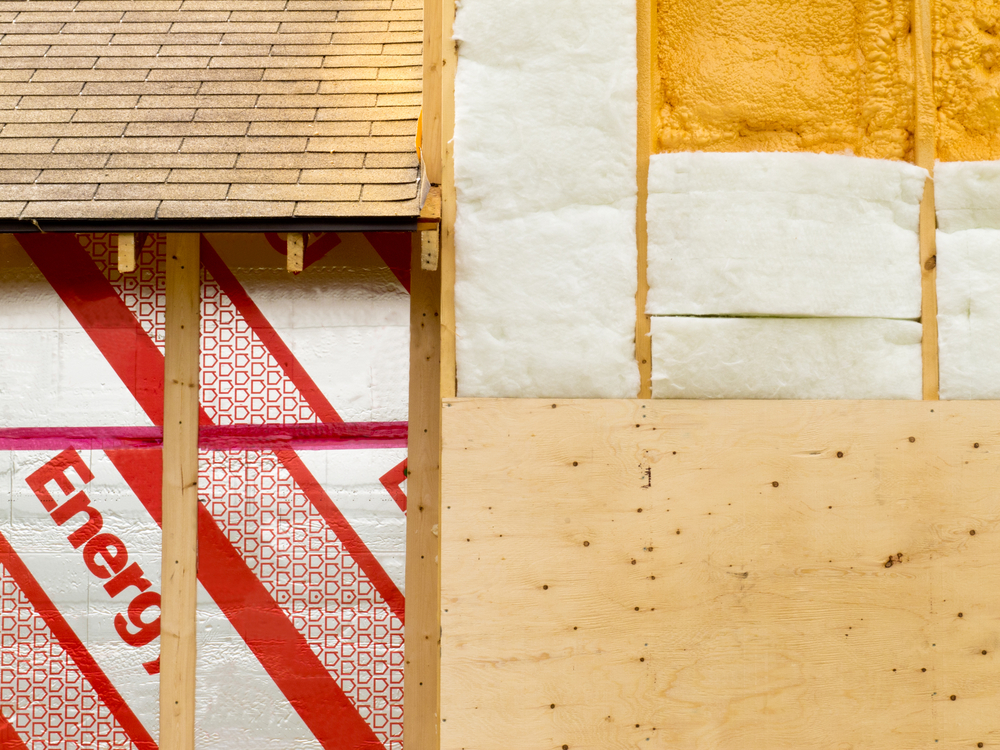
The best insulation option is the one that delivers the needed thermal resistance while fitting the home’s assembly, available space, access conditions, and local climate. Fiberglass, blown-in insulation, and other insulation systems can each serve different purposes, so installation location matters as much as the material category.
For an open Sacramento attic, adding appropriate insulation may be relatively accessible. Enclosed wall cavities in Petaluma may require a different approach. A Sparks home may place greater emphasis on assemblies exposed to winter heat loss.
Rather than comparing products only by advertised R-value, compare the complete installed system.
Service Areas
Our insulation services support homeowners in Sacramento as well as communities such as Petaluma and Sparks where different regional conditions affect insulation priorities. We also work with property owners across surrounding service areas, including parts of Sacramento County, Sonoma County, and the Reno-Sparks region.
Local conditions shape our recommendations, so we evaluate the property rather than applying the same solution everywhere.
The Cost of Ignoring Inadequate Insulation
Ignoring inadequate insulation can mean continued comfort problems, unnecessary heating or cooling demand, and greater difficulty maintaining consistent indoor temperatures during local weather extremes. Waiting can also leave gaps, disturbed insulation, or air leaks unresolved even when the HVAC system itself is operating normally.
In Sacramento, deficiencies may become most noticeable during prolonged summer heat. Sparks homeowners may feel the effects during cold weather, while Petaluma residents may notice uncomfortable rooms during cooler mornings and evenings.
The appropriate attic R-value in Sacramento depends on the existing insulation, attic design, applicable requirements, and whether the project involves new construction or an existing home. Rather than choosing a number in isolation, homeowners should evaluate current insulation depth, coverage, air leakage, and available attic space before deciding how much insulation to add.
Does a higher R-value always mean better insulation?
A higher R-value means greater resistance to conductive heat flow, but it does not guarantee better overall performance. Poor installation, gaps, compression, air leakage, or moisture can undermine the insulation system. Homeowners in Sacramento, Petaluma, and Sparks should consider both the rated material and how effectively the entire thermal boundary is installed.
Why is attic insulation especially important in Sacramento?
Attic insulation is especially important in Sacramento because the roof and attic can experience significant heat exposure during hot summer weather. Adequate insulation helps slow heat movement toward conditioned rooms below, while air sealing can reduce unwanted airflow through openings between the living area and attic.
Do Petaluma homes need as much insulation as colder areas?
Petaluma homes still benefit from properly selected insulation even though the local climate is generally milder than colder inland regions. The right level depends on the building assembly and applicable requirements. Air sealing and moisture-sensitive installation practices can also be important considerations for homes in Sonoma County.
Why can Sparks homes have different insulation needs?
Sparks homes can have different insulation priorities because colder winters and substantial temperature changes increase the importance of limiting heat movement through the building envelope. Attics, walls, floors, crawl spaces, and air leakage points may all affect comfort, so the appropriate solution should be based on the individual property.
Can I simply add new insulation over old insulation?
New insulation can sometimes be added over existing material, but the old insulation should be evaluated first for moisture, contamination, major gaps, compression, and other problems. Adding material without correcting existing issues can conceal them rather than solve them, so an inspection is a sensible first step.
Does insulation R-value decrease when material is compressed?
Compression can reduce the installed thermal performance of some insulation products because they are designed to work at specific thicknesses and densities. This is why forcing thick insulation into a shallow cavity is not necessarily an effective way to achieve the labeled R-value.
Should Sacramento homeowners replace or add insulation?
Sacramento homeowners may be able to add insulation when existing material is dry, serviceable, and appropriately located, while damaged or contaminated material may require a different approach. The decision should be based on an inspection of current conditions rather than the age of the home alone.
Improve Comfort With the Right Insulation Strategy
Choosing insulation is about more than finding the highest R-value on a package. Sacramento heat, Petaluma’s North Bay conditions, and Sparks winters each create different priorities, while the construction and condition of the individual home determine what will work best.
Build a More Comfortable Home for Your Local Climate
We can help you identify insulation needs and explore practical options based on your home’s existing conditions and regional climate.
Summer in the Sacramento region can bring long stretches of triple digit temperatures that put homes under constant stress. While air conditioning plays an important role in keeping indoor spaces comfortable, insulation is what helps prevent that cooled air from escaping. For many local homeowners, improving insulation is one of the most effective ways to reduce energy waste and improve comfort throughout the hottest months.
Quick Answer
Preparing your Sacramento home for extreme summer heat starts with making sure your insulation is performing as it should. Proper attic, wall, and crawl space insulation helps slow heat transfer, keeps conditioned air inside, reduces strain on your HVAC system, and can improve indoor comfort during prolonged heat waves.
What Local Readers Should Know
Sacramento’s long, hot summers place significant stress on attics, roofs, and exterior walls, making insulation especially important.
Older homes in neighborhoods like Land Park, East Sacramento, and Arden-Arcade may have outdated insulation that no longer meets modern performance expectations.
Well-performing insulation works alongside your air conditioning rather than replacing it.
Preparing before peak summer temperatures arrive can help avoid higher energy bills during the hottest months.
Homes throughout Sacramento County and nearby communities like Elk Grove, Citrus Heights, and Folsom benefit from insulation designed for the region’s climate.
Why Proper Insulation Matters During Sacramento Summers
Proper insulation helps reduce heat entering your home during Sacramento’s extreme summer weather. Instead of allowing attic heat to quickly transfer into living spaces, insulation creates a barrier that slows that process and helps maintain more stable indoor temperatures.
The Sacramento Valley experiences some of California’s hottest summer weather. According to the National Weather Service, extended periods above 100 degrees are common during the warmest months. Combined with intense afternoon sun and prolonged dry conditions, homes can absorb significant heat throughout the day.
Ace Insulation Inc. helps homeowners prepare for these conditions by improving insulation performance where homes lose the most energy. Once we’ve evaluated a home’s insulation needs, we recommend practical solutions based on the home’s age, construction, and existing insulation levels.
Local Data and Field Observations
Extreme summer heat is a recurring challenge across Sacramento County. Local weather reports from the National Weather Service consistently show periods of prolonged high temperatures during July and August, with heat advisories issued during especially dangerous conditions.
From our field experience, we often see insulation issues in homes built decades ago that have settled, deteriorated, or simply no longer provide the level of protection homeowners expect. Attics are particularly vulnerable because roof surfaces absorb direct sunlight for much of the day.
How Extreme Heat Impacts Sacramento Homes
Extreme summer temperatures affect more than indoor comfort.
Without effective insulation, homeowners may experience:
Higher monthly cooling costs
Longer HVAC run times
Uneven temperatures between rooms
Hot second-story living spaces
Increased wear on heating and cooling equipment
Reduced indoor comfort during afternoon heat
Many homes in neighborhoods throughout Natomas, Pocket-Greenhaven, Rancho Cordova, and Carmichael experience similar challenges due to prolonged sun exposure and aging insulation materials.
Warning Signs Your Home May Need Better Insulation
Several warning signs can indicate that insulation is no longer performing effectively.
Upstairs rooms become much hotter than lower floors.
Your air conditioner runs almost continuously on hot afternoons.
Energy bills rise significantly during summer.
Certain rooms never seem to cool properly.
The attic feels excessively hot even early in the day.
Existing insulation appears compressed, damaged, or uneven.
Indoor temperatures change quickly after the HVAC system turns off.
These issues often become much more noticeable during Sacramento’s hottest weeks.
When to Call an Insulation Professional
Professional insulation evaluations are recommended when your home shows consistent signs of poor thermal performance. While homeowners can safely inspect visible attic access points for obvious gaps or damaged insulation, entering attics during extreme summer heat can present safety risks.
Professional inspections can identify:
Insufficient insulation depth
Air leakage locations
Moisture concerns
Damaged or deteriorated insulation
Areas requiring additional sealing before insulation is added
Addressing these issues before the hottest part of summer often provides the greatest benefit.
Common Causes of Poor Summer Insulation Performance
Several local factors commonly contribute to insulation problems.
Aging Insulation
Many older Sacramento homes still contain insulation installed decades ago that has settled or lost effectiveness.
High Attic Temperatures
Roofs exposed to constant summer sunlight can dramatically increase attic temperatures, making adequate insulation essential.
Air Leaks
Small openings around plumbing, wiring, recessed lighting, and attic access points allow conditioned air to escape.
Remodeling Without Insulation Updates
Home additions or renovations sometimes leave insulation inconsistent throughout the home.
Prevention and Seasonal Maintenance
Preparing your insulation before summer arrives is one of the best ways to improve energy efficiency.
Monitor unusually high cooling bills for early warning signs.
Routine inspections help identify problems before they become more expensive.
What Results Can Homeowners Expect?
Proper insulation can help improve indoor comfort by reducing heat transfer throughout the home. While every property is different, homeowners often notice:
More consistent indoor temperatures
Less strain on cooling systems
Improved comfort upstairs
Reduced heat entering living spaces
Better overall energy efficiency
Actual results depend on the home’s existing insulation, construction, and overall condition.
Common Mistakes Homeowners Make
Waiting Until Peak Summer
Consequence: Contractors become busier and your home continues losing efficiency.
Better Approach: Schedule inspections before extreme heat arrives.
Focusing Only on HVAC Equipment
Consequence: Even a newer air conditioner struggles if insulation is inadequate.
Better Approach: Improve the home’s thermal envelope first.
Ignoring Older Attic Insulation
Consequence: Settled insulation leaves areas underprotected.
Better Approach: Have insulation evaluated periodically, especially in older homes.
Common Local Scenario
A homeowner in the Sacramento area notices that the second floor becomes uncomfortable every afternoon despite the air conditioner running constantly. After an insulation inspection, areas of settled attic insulation and several air leakage points are identified. Improving the insulation helps create more even indoor temperatures while reducing unnecessary HVAC workload.
Related Insulation Services
Several insulation services may help prepare homes for Sacramento summers, including:
Measure insulation performance throughout the home
Look for obvious damage
Identify hidden air leaks
Monitor energy bills
Recommend appropriate insulation improvements
Replace small accessible areas
Safely evaluate difficult attic spaces
Professional evaluations provide a more complete understanding of overall insulation performance.
Service Areas
We proudly serve homeowners throughout Sacramento as well as surrounding communities including Elk Grove, Folsom, Citrus Heights, Rancho Cordova, Carmichael, Fair Oaks, and other areas across Sacramento County.
The Cost of Waiting
Postponing insulation improvements can lead to higher cooling costs, unnecessary HVAC wear, and reduced indoor comfort throughout Sacramento’s hottest months. Addressing insulation before peak summer temperatures arrive can help homeowners prepare for the season more effectively.
How does insulation help during Sacramento summers?
Proper insulation slows heat transfer into your home, helping your cooling system maintain more consistent indoor temperatures while reducing unnecessary energy use.
Is attic insulation the most important upgrade?
Attic insulation is often one of the highest-impact improvements because the attic receives significant solar heat throughout Sacramento’s long summer days.
How do I know if my Sacramento home has enough insulation?
A professional inspection can determine whether existing insulation levels are adequate based on your home’s construction, condition, and current performance.
Can insulation lower cooling costs?
Proper insulation may help reduce cooling costs by decreasing heat gain and allowing your HVAC system to operate more efficiently.
Are older Sacramento homes more likely to need insulation upgrades?
Yes. Many older homes throughout Sacramento County were built with insulation standards that differ from today’s recommendations, and existing materials may have settled over time.
Should insulation be inspected before summer?
Yes. Spring is an ideal time to evaluate insulation and complete any recommended improvements before extended periods of extreme heat begin.
Preparing Your Home for a More Comfortable Summer
Extreme summer temperatures are a fact of life throughout the Sacramento region, but your home’s insulation plays a major role in how comfortable and energy efficient it remains. Evaluating insulation before peak heat arrives can help homeowners stay ahead of seasonal challenges while improving comfort throughout the hottest months.
Get Your Home Ready for Sacramento’s Summer Heat
Our team is here to help you identify insulation improvements that support year-round comfort and energy efficiency.
Building a new structure from the ground up presents a unique opportunity to get the insulation right from the start. Whether you are developing a residential community in Sacramento, a commercial complex in Redding, or an industrial facility in Sparks, NV, the insulation decisions made during the construction phase will affect energy performance, occupant comfort, and code compliance for decades to come.
Working with an experienced insulation contractor during the planning stages is one of the smartest investments a builder or developer can make.
Understanding Regional Climate Demands
Northern California and Sparks, NV sit in climates that push insulation systems to their limits in very different ways. The Sierra Nevada foothills and higher elevations see cold winters with heavy snowfall, while the Central Valley bakes under intense summer heat. Sparks, NV, located just east of Reno in the high desert, experiences wide temperature swings between seasons and even within a single day.
New construction insulation strategies must account for both heating and cooling loads. In Northern California, coastal zones near the Bay Area have mild but damp conditions that demand moisture management alongside thermal performance. Inland zones from Stockton up through Redding contend with triple-digit summers that put enormous pressure on cooling systems. A properly insulated building envelope reduces the strain on HVAC equipment, lowers utility costs, and creates a more stable interior environment throughout the year.
Understanding these regional differences is why a one-size-fits-all approach fails in this geography. An insulation contractor with hands-on experience across Northern California and the Sparks, NV corridor will recommend solutions tailored to the specific climate zone where your project sits.
Navigating California Title 24 and Nevada Energy Codes
Code compliant insulation installation is not optional; it is a legal requirement that directly affects your certificate of occupancy. California operates under Title 24, Part 6, the California Energy Code, which sets some of the most demanding thermal performance standards in the country. New construction projects must meet minimum R-value requirements for walls, roofs, floors, and foundations depending on the specific climate zone in which the project is located.
California is divided into 16 climate zones, and Northern California alone spans several of them. A project in climate zone 1 near the Oregon border faces very different requirements than one in climate zone 12 in the Sacramento area. Builders who attempt to cut corners on insulation specifications during framing often find themselves facing costly corrections before final inspection.
In Nevada, the International Energy Conservation Code serves as the baseline, with Sparks, NV falling under the jurisdiction of Washoe County and the City of Sparks. Commercial insulation services and residential new builds in this area must comply with energy efficiency minimums that align with IECC standards, and inspectors are increasingly rigorous in their review of insulation installation documentation.
Working with a knowledgeable insulation contractor from the earliest design stages allows builders to meet code requirements efficiently, avoid rework, and document compliance with the proper paperwork before the inspector ever sets foot on the job site.
Choosing the Right Insulation Products for New Builds
The product selection process for new construction insulation is more nuanced than many builders expect. Spray foam for new builds has gained significant traction in recent years because it addresses air sealing and thermal resistance in a single application. Open-cell spray foam works well in interior wall assemblies and attic spaces where flexibility and sound attenuation matter. Closed-cell spray foam delivers a higher R-value per inch and acts as both an air and vapor barrier, making it especially valuable in crawl spaces, rim joists, and exterior wall cavities in high-performance builds.
Fiberglass batt insulation remains a popular and cost-effective choice for standard residential framing in both Northern California and Sparks, NV. When installed correctly by trained crews, batts can meet code requirements with minimal material cost. The critical word is correctly. Gaps, compression, and misaligned batts dramatically reduce effective R-value and create thermal bridging that undermines the entire building envelope.
Mineral wool, also called rock wool or slag wool, is growing in popularity among builders who want improved fire resistance and sound control alongside solid thermal performance. It is dimensionally stable, does not absorb moisture readily, and performs well in both California climate zones and the dry conditions of Sparks, NV.
Rigid foam boards are frequently used in commercial insulation services projects, particularly for continuous insulation layers on exterior walls, under-slab applications, and roof assemblies. Continuous insulation is increasingly required under Title 24 for many wall assemblies, and rigid foam is often the most practical way to achieve it without significantly altering structural framing dimensions.
Best Installation Practices That Make the Difference
Selecting the right product is only half the job. The quality of the installation determines whether the materials perform as designed, and this is where partnering with a qualified insulation contractor separates successful projects from expensive headaches.
Air sealing is the single most overlooked element in new construction insulation. Before batts or blown-in materials are installed, all penetrations, wire chases, plumbing rough-ins, and framing gaps should be sealed with spray foam or caulk. The building science community has documented extensively that air leakage accounts for a significant portion of energy loss in buildings, often more than conductive heat transfer through under-insulated assemblies. Getting the air barrier right before closing up walls protects everything that follows.
Proper sequencing with other trades matters more in new construction than in retrofit work. Insulation crews need to coordinate with framers, plumbers, electricians, and HVAC teams so that rough-in work is complete and inspected before insulation begins. In Northern California, wet-applied insulation products like spray foam for new builds require attention to temperature and humidity conditions at the time of application, particularly during the cooler winter months in mountain communities.
For commercial insulation services on large new construction projects, third-party inspections and quality control documentation are increasingly standard. General contractors in California and Nevada are requiring photo documentation of insulation installation before drywall is installed to protect against liability and to streamline the code compliance process. An experienced insulation contractor will have these systems in place as part of their standard workflow.
Thermal bridging through steel framing is a particular concern in commercial new construction in both Northern California and Sparks, NV. Steel conducts heat at a rate roughly 300 times that of wood, which means standard cavity insulation alone is often insufficient in steel-framed assemblies. Continuous exterior insulation layers, thermally broken cladding attachments, and careful detailing around shelf angles and window openings are all critical elements of a high-performance commercial envelope.
Finding the Right Insulation Contractor for Your New Construction Project
Not all insulation contractors are equipped to handle the complexity of new construction projects, particularly large commercial or multi-family residential developments. When evaluating contractors for your project in Northern California or Sparks, NV, look for documented experience with code compliant insulation installation in the relevant climate zones, familiarity with the specific products your project requires, and the capacity to coordinate effectively with your general contractor and other trades.
Ask for references from comparable new construction projects, verify licensing and insurance for the state where your project is located, and confirm that the contractor understands the documentation requirements for Title 24 compliance in California or IECC compliance in Nevada. A contractor who has completed commercial insulation services projects across both states brings valuable cross-jurisdictional knowledge that can streamline the process from design through final inspection.
Pricing matters, but the cheapest bid rarely delivers the lowest total cost. Insulation failures in new construction result in failed inspections, rework expenses, and long-term energy performance deficits that the building owner absorbs for years.
Conclusion
Getting insulation right during new construction in Northern California and Sparks, NV requires careful product selection, rigorous installation practices, and a solid understanding of regional energy codes. Partnering with an experienced insulation contractor from the earliest project phases protects your investment, ensures code compliant insulation installation, and delivers the energy performance your clients and building occupants deserve.
Need Insulation Near You?
Since 2001, Ace Insulation Inc. has been your premier insulation experts. We take pride in being locally owned and operated as well as offering high-quality service. We specialize in the installation of insulation. Whether you are building a new home or renovating your existing space, we are the place to call. We have many materials to choose from, including fiberglass and spray foam. If you are looking for high-quality work, call us today to schedule your next consultation!
Homeowners often think of insulation only in terms of energy savings or comfort, especially in colder seasons. While these are crucial aspects, insulation serves more than just an efficiency function. When your home’s insulation is compromised by pests or water damage, it becomes more than just a matter of performance. It turns into a health, safety, and long-term financial concern. Understanding when to replace insulation after such damage can prevent further deterioration and even structural issues. In regions like Nevada, spray foam insulation has grown in popularity, not only for its excellent sealing properties but also for its resilience. Still, even this high-performing solution can become ineffective under certain conditions.
The Hidden Costs of Pest-Compromised Insulation
Pest infestations bring more than just the visible nuisance of droppings, chewed wires, or foul smells. When rodents, insects, or other wildlife infiltrate attic or wall cavities, the damage they do to insulation can be both extensive and hard to detect at first. Rodents often tunnel through insulation, reducing its thermal efficiency. Their urine and droppings not only degrade the material but also pose serious health hazards, especially when particles become airborne and circulate through HVAC systems.
In traditional fiberglass insulation, pests find easy access and nesting opportunities. The compromised material begins to settle unevenly, creating gaps in thermal protection. This leads to increased heating costs during colder months, as your HVAC system works harder to compensate. Replacing damaged insulation after pest infestations is critical, especially if you’re pursuing long-term heating cost savings and indoor air quality.
While Nevada spray foam insulation offers a more pest-resistant structure due to its density and sealing capacity, no solution is entirely immune. If pests manage to penetrate or nest near the insulation, they may still degrade its performance over time. Once infestation is confirmed and pest control has addressed the root of the problem, it’s essential to inspect and assess whether the insulation has been compromised and should be removed.
Water Damage: A Silent Threat to Insulation Integrity
Water and insulation are a dangerous mix. Moisture intrusion from roof leaks, pipe bursts, or even high humidity can render insulation materials ineffective. In older homes, where fiberglass or cellulose insulation is prevalent, saturation from water flattens the material, destroying its ability to trap air and retain heat. Mold is another severe consequence, and once it sets in, insulation becomes not only useless but dangerous to health.
Spray foam insulation has the upper hand here, particularly closed-cell variants. It repels water and prevents moisture absorption, making it highly effective in damp environments. However, water damage around spray foam insulation, such as soaked studs or sheathing, can still result in hidden mold growth or structural rot. Therefore, even if the foam itself seems intact, surrounding materials may require replacement, and comprehensive moisture assessments are critical.
In homes impacted by water events, replacing insulation is not just about performance recovery. It’s about ensuring the building envelope remains dry, healthy, and safe. Restoration professionals often emphasize that drying and dehumidifying are only part of the solution. Replacing water-damaged insulation ensures you don’t trap moisture inside the wall cavity, which could lead to future complications.
Recognizing the Need for Replacement
The signs that your insulation needs replacement after pest or water damage might not always be obvious. In some cases, odors linger despite pest removal, or energy bills begin to climb without an apparent reason. In others, a winter inspection might reveal cold spots in certain rooms, prompting concerns about insulation gaps.
If you’ve recently dealt with pest infestations or water leaks, it’s wise to schedule a professional inspection. Experts use infrared thermography, moisture meters, and even small cameras to assess areas behind walls and ceilings. These tools can detect irregular temperatures or wet spots that indicate damaged insulation.
In Nevada, spray foam insulation is often chosen during home repairs or retrofits because of its long-term durability and ability to fully seal gaps and cracks. If your current insulation has suffered from contamination or degradation, replacing it with spray foam can provide both immediate and future benefits. Besides preventing air leakage, it acts as a barrier to allergens and contaminants, offering healthier indoor air quality.
The Value of Upgrading During Repairs
There’s a silver lining to insulation damage: the opportunity to upgrade. If your home has sustained pest or water damage and you’re already considering repairs, it’s the perfect moment to evaluate whether your current insulation is up to today’s standards. Many homeowners delay insulation upgrades due to cost or inconvenience, but when part of your insulation is already compromised, the cost-benefit balance shifts in favor of full replacement.
Choosing a winter insulation upgrade with spray foam is particularly strategic. As temperatures drop, having a tight building envelope becomes more crucial for comfort and energy savings. Upgrading not only helps recover from damage but also future-proofs your home from similar issues. Spray foam’s air-sealing characteristics block pest entry points and prevent air infiltration, making it a dual-purpose investment.
Energy savings from spray foam can be significant over time. In addition to keeping your home warmer in winter, it minimizes the workload on your HVAC system, extending its life and reducing maintenance needs. And while the initial installation cost is higher than that of fiberglass or cellulose, the return on investment through heating cost savings and resilience to future damage justifies the upgrade.
Making the Right Choice for Your Home
Deciding whether to replace insulation after pest or water damage involves more than just patching up what’s visible. It calls for a thorough assessment of your home’s envelope and a long-term view of indoor air quality, structural health, and energy efficiency. If you live in a climate with wide seasonal shifts, like Nevada, spray foam insulation delivers exceptional year-round performance and added protection against both pests and moisture.
It’s essential to work with licensed contractors familiar with your local climate and building codes. Not all insulation types are suited for all regions. Nevada homes, in particular, benefit from insulation that performs well in both summer and winter, making spray foam a compelling choice. An experienced contractor can also ensure proper removal and disposal of old, contaminated materials, minimizing health risks during the process.
Whether you’re reacting to damage or planning proactively, investing in better insulation pays off. From reducing energy bills to improving comfort and health, the right insulation choice can have a profound effect on your home’s performance.
Conclusion
Insulation is more than just a thermal barrier. It’s a critical component of your home’s comfort, safety, and efficiency. When pests or water compromise its integrity, it becomes essential to act swiftly. Ignoring contaminated or damaged insulation can lead to rising energy bills, poor indoor air quality, and even long-term structural damage.
Fortunately, this challenge also presents a chance to improve. By replacing damaged materials with high-performance options like spray foam insulation, you not only fix the problem but also invest in lasting energy savings and resilience. In states like Nevada, where seasonal extremes test the limits of your home’s envelope, a winter insulation upgrade using spray foam can yield immediate and long-term rewards.
Take the time to inspect, evaluate, and upgrade if needed. The benefits will be tangible in your heating cost savings, improved comfort, and peace of mind knowing your home is protected against future intrusions and damage.
Need Insulation Near You?
Since 2001, Ace Insulation Inc. has been your premier insulation experts. We take pride in being locally owned and operated as well as offering high-quality service. We specialize in the installation of insulation. Whether you are building a new home or renovating your existing space, we are the place to call. We have many materials to choose from, including fiberglass and spray foam. If you are looking for high-quality work, call us today to schedule your next consultation!
Upgrading to a smart thermostat is often marketed as a quick fix for high energy bills, especially during the winter months. Homeowners across the country, particularly in Nevada, are turning to smart home tech with the hope of slashing utility costs and increasing comfort. However, this strategy may be missing the mark. Before investing in high-tech gadgets or even replacing an entire HVAC system, it is essential to consider the core issue: how well your home retains heat in the first place.
In many cases, what seems like a problem with the HVAC system is actually rooted in poor insulation. If your home is “leaky,” meaning it allows indoor air to escape and outdoor air to infiltrate, your heating and cooling systems are working harder than they should. This reduces their efficiency, shortens their lifespan, and leads to higher energy bills. Let’s take a closer look at why insulation, particularly spray foam insulation, is a critical first step before making HVAC upgrades, and how this choice can bring you significant heating cost savings.
Why a Smart Thermostat Alone Isn’t Enough
Smart thermostats can help optimize how and when your HVAC system operates. They learn your habits, adjust settings based on weather forecasts, and even allow you to control temperature remotely. While they are effective tools for managing energy consumption, their ability to deliver savings is limited if the building envelope of your home is inefficient.
In a poorly insulated home, warm air generated by your heater seeps out through gaps in the attic, walls, or crawl spaces, and cold air creeps in. No matter how smart your thermostat is, it cannot change the laws of thermodynamics. The result is an HVAC system that runs more frequently and longer than necessary, leading to increased wear and higher utility bills. This is particularly problematic in climates with extreme temperature swings, such as Nevada, where winters can be chilly and summers scorching.
Without effective insulation to seal the house, even the most advanced thermostat becomes little more than a Band-Aid on a much deeper issue.
The True Value of Spray Foam Insulation
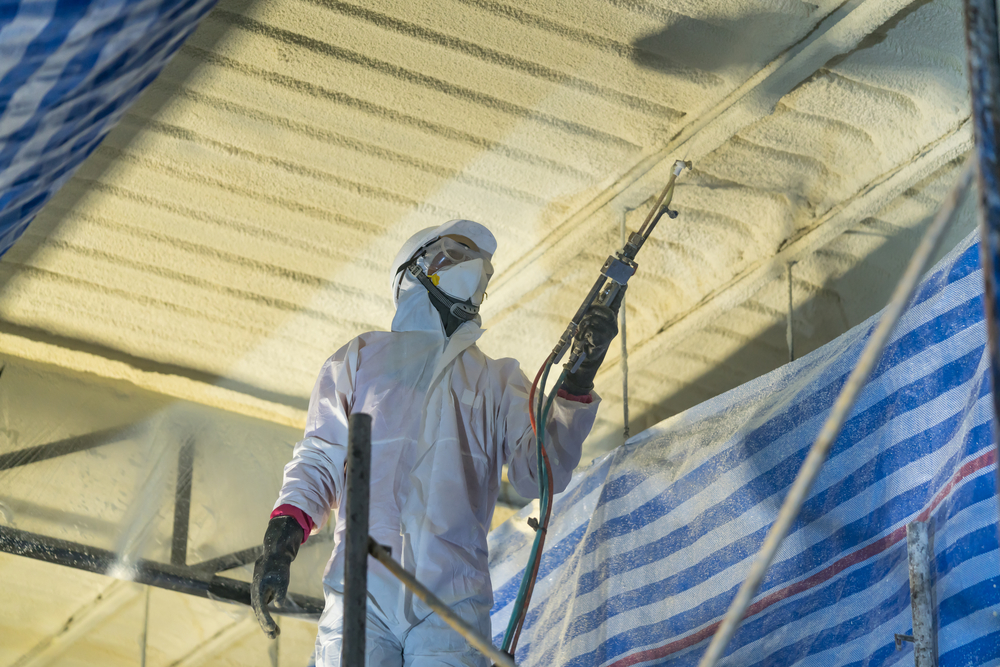
When it comes to effective insulation, spray foam insulation stands out as one of the most efficient solutions available. Unlike traditional fiberglass or cellulose insulation, spray foam expands on contact, filling in small cracks and hard-to-reach areas that other materials often miss. This characteristic makes it especially valuable for homes with complex architecture or those undergoing retrofits.
Spray foam insulation creates an air seal that significantly reduces air leakage, which is one of the primary culprits behind high heating and cooling costs. In the winter, it keeps the warm air in and the cold air out, resulting in noticeable energy savings from spray foam almost immediately. This effect is amplified in drafty, older homes that were not built with energy efficiency in mind.
In regions like Nevada, spray foam insulation offers dual benefits. During cold desert nights, it helps retain heat, providing comfort and reducing heating bills. During the sweltering summer months, it keeps conditioned air inside, easing the burden on your air conditioner. This year-round performance is why many experts recommend a winter insulation upgrade as a foundational home improvement.
Heating Cost Savings Begin with Sealing the Envelope
Many homeowners mistakenly prioritize furnace or air conditioner upgrades before addressing the insulation issue. While newer HVAC units are more efficient, their benefits can be negated if your home’s thermal envelope is compromised. Simply put, you are paying to heat or cool the outdoors.
The Department of Energy estimates that air leakage and insufficient insulation are responsible for 25 to 40 percent of energy used for heating and cooling in the average home. By investing in spray foam insulation, you can eliminate much of this waste. The upfront cost may be higher than traditional materials, but the return on investment is substantial when factoring in heating cost savings and reduced HVAC maintenance over time.
Spray foam insulation not only improves thermal performance but also enhances indoor air quality by sealing out allergens, pollutants, and moisture. This makes your home healthier in addition to being more energy-efficient. In Nevada, spray foam insulation also provides an added layer of soundproofing, useful for homes near busy roads or urban areas.
Winter Insulation Upgrade: A Smart Seasonal Strategy
Winter presents the ideal opportunity to assess your home’s insulation and make meaningful improvements. Cold weather can quickly expose weak points in your home’s thermal defenses. If you find that some rooms are consistently colder than others, or if your heating bills are unexpectedly high despite moderate thermostat settings, these are signs that insulation is lacking.
A winter insulation upgrade using spray foam not only prepares your home for the remainder of the cold season but also sets the stage for better energy efficiency all year long. Spray foam can be applied in attics, basements, walls, and crawl spaces with minimal disruption, and the impact is immediate. Your HVAC system will not have to work as hard to maintain a comfortable indoor environment, which extends its lifespan and reduces repair costs.
This proactive approach is particularly relevant for Nevada homeowners, where winter nights can be surprisingly frigid despite the state’s reputation for heat. A targeted insulation upgrade ensures you are not wasting money heating a house that leaks like a sieve.
Choosing Energy Efficiency Over Gimmicks
The marketplace is flooded with smart home products promising easy energy savings. While these tools have their place, they should not be the first step in your energy efficiency journey. The effectiveness of smart thermostats and high-efficiency HVAC systems is limited if the rest of your home is not equipped to retain the energy they produce.
Spray foam insulation is a proven solution with decades of performance behind it. It directly addresses the root cause of energy loss and inefficiency. Instead of repeatedly adjusting your thermostat or cycling through HVAC upgrades every few years, insulation offers a long-term fix. Energy savings from spray foam are not hypothetical; they are measurable and sustainable.
For homeowners in Nevada and similar climates, the combination of insulation and smart HVAC technology can be powerful. But it is essential to address them in the right order. First, seal the leaks. Then, let your HVAC system and smart thermostat operate in an environment where they can truly shine.
Conclusion
Investing in a smart thermostat may seem like a modern, tech-savvy way to reduce energy bills, but it cannot perform miracles. If your home lacks proper insulation, particularly spray foam insulation, you are losing valuable heat in winter and cool air in summer. This leads to overworked HVAC systems, high utility costs, and diminished comfort.
By starting with insulation, especially during the winter when energy consumption spikes, you lay the groundwork for meaningful heating cost savings. A well-insulated home not only enhances comfort but also maximizes the performance of every other energy-saving upgrade you make. In Nevada, spray foam insulation is more than just a good idea; it is a smart investment for a smarter, more efficient home.
Need Insulation Near You?
Since 2001, Ace Insulation Inc. has been your premier insulation experts. We take pride in being locally owned and operated as well as offering high-quality service. We specialize in the installation of insulation. Whether you are building a new home or renovating your existing space, we are the place to call. We have many materials to choose from, including fiberglass and spray foam. If you are looking for high-quality work, call us today to schedule your next consultation!
Areas Served
Proudly providing residential and commercial insulation installation to Petaluma, CA and the surrounding areas including:
Certificate of Approved Applicator from SWD, approved to install quik-shield polyurethane foam and coating products in residential and commercial applications according to the standards and guidelines as set forth by SWD Urethane