Insulation has the same basic job everywhere, but the conditions it has to handle can change significantly from one community to another. A Sacramento attic exposed to intense summer heat faces different demands than a Petaluma home influenced by cooler coastal weather or a Sparks property dealing with colder winters and larger temperature swings.
Quick answer: R-value measures how well insulation resists heat flow. In general, a higher R-value provides greater thermal resistance, but the right insulation level depends on where the material is installed, the home’s existing construction, local climate, and applicable building requirements. Homeowners should look beyond the number on the insulation label and consider air sealing, installation quality, available space, and the condition of existing insulation.
What local homeowners should know
R-value measures resistance to heat flow, not the overall quality of an insulation project.
Sacramento homeowners often benefit from paying particular attention to attic insulation because roofs and attic spaces experience substantial summer heat.
Petaluma’s milder, moisture-influenced conditions make proper air sealing and moisture management important parts of the insulation strategy.
Sparks homes need insulation that performs through both cold winter conditions and warm, dry summer periods.
Gaps, compression, settling, and air leaks can reduce real-world performance even when the insulation itself has a suitable labeled R-value.
Why R-Value Matters for Homes in This Region
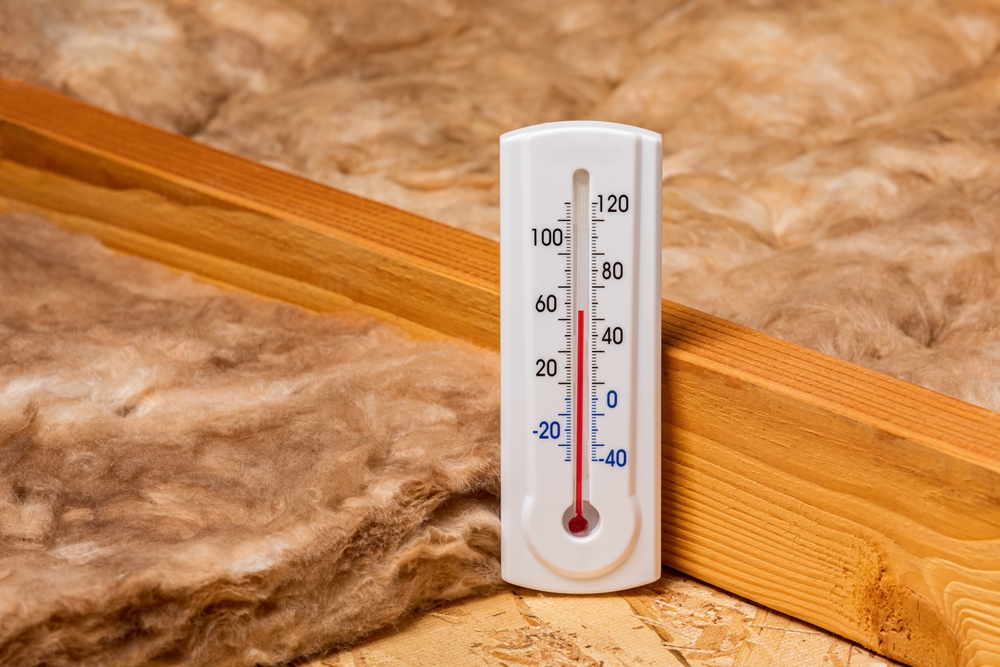
R-value matters locally because Sacramento, Petaluma, and Sparks place different heating and cooling demands on the building envelope, so the same insulation approach is not automatically ideal in all three communities. The goal is to slow unwanted heat movement while keeping indoor temperatures more stable throughout each area’s seasonal changes.
In Sacramento and surrounding Sacramento County, long periods of summer heat can make an under-insulated attic a major source of heat gain. Neighborhoods with older housing stock may also have insulation that has settled, been disturbed, or simply reflects standards from an earlier era.
Petaluma and Sonoma County have a different pattern. Cooler nights, marine influence, and seasonal moisture mean insulation should work as part of an assembly that also manages airflow and moisture correctly.
Across the state line in Sparks and the greater Reno-Sparks area of Washoe County, winter temperatures create a stronger heating-season concern. Larger day-to-night temperature swings also make consistent thermal protection valuable.
Ace Insulation Inc. helps property owners evaluate insulation based on the home itself rather than choosing a product solely because it has a higher number. We look at location, existing conditions, the insulated assembly, and areas where unwanted airflow may be undermining performance.
What R-Value Actually Tells You
R-value tells you how strongly an insulation material resists conductive heat flow, with higher values representing greater resistance under rated conditions. It is useful for comparing insulation levels, but it does not tell you whether the material was installed correctly, whether air is leaking around it, or whether moisture has affected the assembly.
The U.S. Department of Energy explains that appropriate insulation levels vary according to climate zone and the part of the home being insulated. Attics, exterior walls, floors, crawl spaces, and other assemblies may therefore call for different approaches.
That distinction is especially relevant locally. Adding insulation to a Sacramento attic may be straightforward if there is accessible space, while improving the R-value of finished walls in an older Midtown-area home may require a different method.
How Sacramento, Petaluma, and Sparks Differ
Sacramento, Petaluma, and Sparks require different insulation priorities because their temperature patterns, seasonal moisture, and heating-versus-cooling demands are not the same. R-value should therefore be selected as part of a climate-appropriate insulation strategy rather than treated as a universal target.
Sacramento: Hot summers make attic and roof-level heat control especially important. Air leaks around penetrations, attic hatches, recessed areas, and other openings can also allow conditioned air to escape.
Petaluma: The North Bay’s milder climate does not eliminate insulation needs. Homes can still lose heat during cool periods, while airflow and moisture considerations deserve attention when modifying older wall or attic assemblies.
Sparks: Colder winter weather increases the importance of limiting heat loss. Homes near Sparks and Reno may also experience pronounced temperature swings, making adequate insulation and air sealing useful during both heating and cooling seasons.
Warning Signs Your Home May Need More Insulation
Common signs of inadequate or poorly performing insulation include uneven temperatures, excessive HVAC use, hot ceilings, cold interior surfaces, and visible deterioration or gaps in existing insulation. These symptoms do not automatically prove that R-value is the problem, but they are good reasons to have the building envelope evaluated.
Watch for:
Upstairs rooms that become noticeably hotter than the rest of the home during Sacramento summers.
Rooms that cool down quickly after the heating system shuts off in Sparks.
Large temperature differences between rooms.
Existing attic insulation that appears thin, uneven, compressed, or displaced.
Drafts near attic access points, plumbing penetrations, or other openings.
HVAC equipment that seems to run for long periods during extreme temperatures.
Areas where insulation has been disturbed by previous electrical, plumbing, or remodeling work.
Common Reasons Insulation Underperforms Locally
Insulation commonly underperforms because there is too little material, the insulation has gaps or compression, air leakage bypasses it, or past work has disturbed the thermal barrier. Local climate can make those weaknesses more noticeable because Sacramento heat, Petaluma’s cooler seasonal conditions, and Sparks winters place different stresses on the home.
One frequent issue is insufficient attic coverage. Older homes may have insulation levels that no longer provide the comfort homeowners expect.
Another is air leakage. Insulation slows conductive heat movement, while air sealing addresses uncontrolled airflow. Treating only one part of the problem can leave comfort issues unresolved.
A third issue is poor installation. Batts that are compressed, insulation installed around obstacles with gaps, or blown material with inconsistent depth can reduce effective performance.
Finally, renovations and repairs can alter an otherwise functional insulation layer. Anyone who has had extensive wiring, duct, plumbing, or remodeling work completed should consider checking areas that were accessed.
When to Call an Insulation Professional
A professional evaluation makes sense when comfort problems persist, insulation is difficult to access, existing material is damaged or uneven, or you are unsure what R-value and insulation type fit the home’s construction. Homeowners can perform basic visual checks, but determining the right upgrade often requires looking at the entire thermal and air-control system.
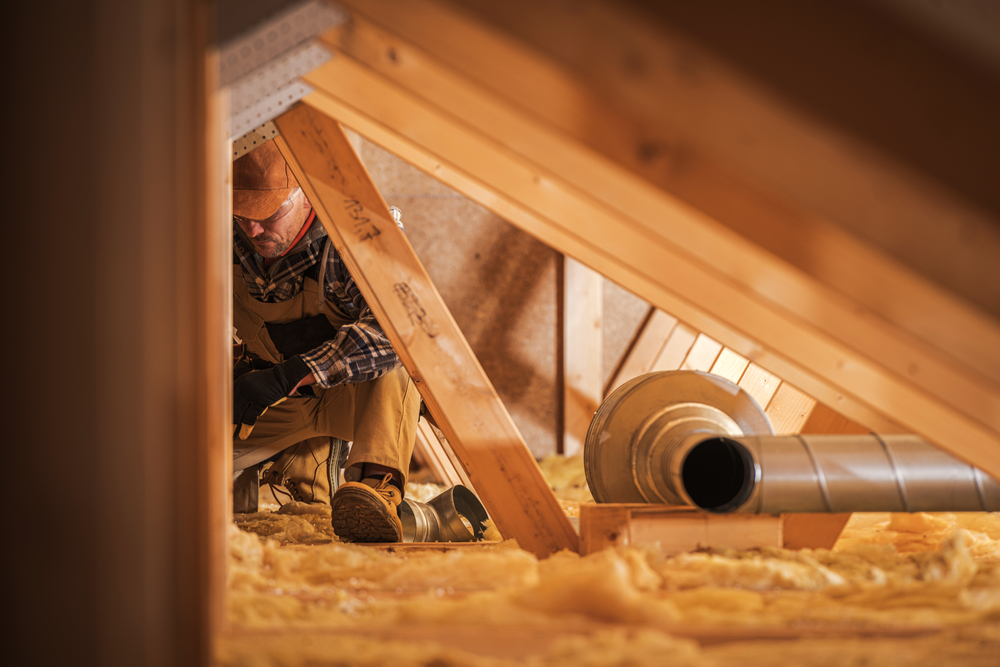
A Sacramento homeowner can safely look into an accessible attic from the entry point and note obvious thin or bare areas. However, walking through unfinished attic spaces can create fall hazards and damage ceilings, wiring, ductwork, or insulation.
Professional guidance is also valuable when moisture, electrical hazards, pest contamination, or unusual building assemblies are present.
Prevention and Insulation Maintenance
Maintaining insulation means periodically checking accessible areas for disturbance, moisture, gaps, and changes caused by repair work while also addressing air leakage before simply adding more material. A well-maintained insulation layer should remain continuous and appropriately distributed across the area it is intended to protect.
In Sacramento, late winter or spring can be a practical time to evaluate attic conditions before peak summer heat arrives. Sparks homeowners may prefer to identify deficiencies before the coldest part of winter, while Petaluma property owners should watch for evidence of moisture intrusion before adding insulation over a problem area.
DIY inspections should remain visual and safety-focused. Do not cover unsafe wiring, active leaks, damaged materials, or unknown contamination with new insulation.
What Results Can Homeowners Expect?
Properly selected and installed insulation can help reduce unwanted heat transfer, improve room-to-room comfort, and reduce the workload placed on heating and cooling equipment, although results depend on the condition of the entire home. Insulation is most effective when paired with appropriate air sealing and when other major building-envelope problems are addressed.
A Sacramento home with an under-insulated attic may feel less affected by roof-level heat after an appropriate upgrade. In Sparks, better thermal resistance may help rooms retain heat more consistently during winter conditions.
Petaluma homeowners may notice improved comfort during cool mornings and evenings, especially when insulation improvements address both coverage and uncontrolled airflow.
Common Insulation Mistakes
The most common insulation mistakes involve choosing material by R-value alone, covering existing problems, compressing insulation, and overlooking air leaks. These errors can reduce the benefit of an upgrade regardless of whether the property is in Sacramento, Sonoma County, or the Reno-Sparks area.
Mistake: Assuming the highest available R-value is automatically the best choice. Consequence: The material may not suit the available cavity depth or assembly. Better approach: Match insulation to the location, construction, climate, and project goals.
Mistake: Adding insulation before addressing leaks or moisture. Consequence: Existing problems can remain hidden and continue affecting the assembly. Better approach: Correct the underlying issue first.
Mistake: Compressing insulation into a space that is too shallow. Consequence: The installed product may not perform as intended. Better approach: Use a material and installation method appropriate for the available space.
A Common Local Scenario
A common local scenario is an older Sacramento home with some attic insulation still present but noticeable summer discomfort in bedrooms beneath the roof. The homeowner may assume that installing another layer everywhere is automatically the solution, but the existing insulation depth, distribution, condition, and air leakage points should be evaluated first.
The same principle applies in Petaluma and Sparks. Existing insulation is not necessarily effective insulation. A complete assessment helps determine whether the next step should involve adding insulation, correcting gaps, improving air sealing, or addressing another building-envelope issue.
Related Insulation Solutions
The right insulation solution may include adding attic insulation, improving wall or floor insulation where practical, correcting poorly installed material, and addressing air leakage that bypasses the thermal barrier. The appropriate combination depends on the home’s construction and which areas are contributing most to unwanted heat transfer.
We can help property owners understand existing conditions and evaluate insulation options without reducing the decision to a single R-value number.
The best insulation option is the one that delivers the needed thermal resistance while fitting the home’s assembly, available space, access conditions, and local climate. Fiberglass, blown-in insulation, and other insulation systems can each serve different purposes, so installation location matters as much as the material category.
For an open Sacramento attic, adding appropriate insulation may be relatively accessible. Enclosed wall cavities in Petaluma may require a different approach. A Sparks home may place greater emphasis on assemblies exposed to winter heat loss.
Rather than comparing products only by advertised R-value, compare the complete installed system.
Service Areas
Our insulation services support homeowners in Sacramento as well as communities such as Petaluma and Sparks where different regional conditions affect insulation priorities. We also work with property owners across surrounding service areas, including parts of Sacramento County, Sonoma County, and the Reno-Sparks region.
Local conditions shape our recommendations, so we evaluate the property rather than applying the same solution everywhere.
The Cost of Ignoring Inadequate Insulation
Ignoring inadequate insulation can mean continued comfort problems, unnecessary heating or cooling demand, and greater difficulty maintaining consistent indoor temperatures during local weather extremes. Waiting can also leave gaps, disturbed insulation, or air leaks unresolved even when the HVAC system itself is operating normally.
In Sacramento, deficiencies may become most noticeable during prolonged summer heat. Sparks homeowners may feel the effects during cold weather, while Petaluma residents may notice uncomfortable rooms during cooler mornings and evenings.
The appropriate attic R-value in Sacramento depends on the existing insulation, attic design, applicable requirements, and whether the project involves new construction or an existing home. Rather than choosing a number in isolation, homeowners should evaluate current insulation depth, coverage, air leakage, and available attic space before deciding how much insulation to add.
Does a higher R-value always mean better insulation?
A higher R-value means greater resistance to conductive heat flow, but it does not guarantee better overall performance. Poor installation, gaps, compression, air leakage, or moisture can undermine the insulation system. Homeowners in Sacramento, Petaluma, and Sparks should consider both the rated material and how effectively the entire thermal boundary is installed.
Why is attic insulation especially important in Sacramento?
Attic insulation is especially important in Sacramento because the roof and attic can experience significant heat exposure during hot summer weather. Adequate insulation helps slow heat movement toward conditioned rooms below, while air sealing can reduce unwanted airflow through openings between the living area and attic.
Do Petaluma homes need as much insulation as colder areas?
Petaluma homes still benefit from properly selected insulation even though the local climate is generally milder than colder inland regions. The right level depends on the building assembly and applicable requirements. Air sealing and moisture-sensitive installation practices can also be important considerations for homes in Sonoma County.
Why can Sparks homes have different insulation needs?
Sparks homes can have different insulation priorities because colder winters and substantial temperature changes increase the importance of limiting heat movement through the building envelope. Attics, walls, floors, crawl spaces, and air leakage points may all affect comfort, so the appropriate solution should be based on the individual property.
Can I simply add new insulation over old insulation?
New insulation can sometimes be added over existing material, but the old insulation should be evaluated first for moisture, contamination, major gaps, compression, and other problems. Adding material without correcting existing issues can conceal them rather than solve them, so an inspection is a sensible first step.
Does insulation R-value decrease when material is compressed?
Compression can reduce the installed thermal performance of some insulation products because they are designed to work at specific thicknesses and densities. This is why forcing thick insulation into a shallow cavity is not necessarily an effective way to achieve the labeled R-value.
Should Sacramento homeowners replace or add insulation?
Sacramento homeowners may be able to add insulation when existing material is dry, serviceable, and appropriately located, while damaged or contaminated material may require a different approach. The decision should be based on an inspection of current conditions rather than the age of the home alone.
Improve Comfort With the Right Insulation Strategy
Choosing insulation is about more than finding the highest R-value on a package. Sacramento heat, Petaluma’s North Bay conditions, and Sparks winters each create different priorities, while the construction and condition of the individual home determine what will work best.
Build a More Comfortable Home for Your Local Climate
We can help you identify insulation needs and explore practical options based on your home’s existing conditions and regional climate.
Older homes across Northern California offer timeless charm, but they often come with outdated insulation that struggles to keep up with modern comfort and energy efficiency expectations. Whether you own a historic bungalow in Petaluma or a mid-century ranch in Sacramento, upgrading insulation can make a noticeable difference in indoor comfort throughout the year.
Quick Answer
Insulating older homes in Petaluma and Sacramento requires more than simply adding new insulation. Many older properties have little or no insulation, irregular wall cavities, aging construction materials, and ventilation concerns that must be addressed carefully. Modern insulation solutions allow homeowners to improve comfort, reduce energy waste, and preserve the character of older homes without unnecessary renovations.
What Local Homeowners Should Know
Many homes built before modern energy codes have inadequate attic and wall insulation.
Petaluma’s coastal influence can introduce cool, damp conditions that affect insulation performance if moisture is not managed properly.
Sacramento experiences long, hot summers and cool winter nights, making proper insulation valuable year-round.
Older homes often benefit from targeted insulation upgrades rather than complete reconstruction.
Professional evaluations can identify hidden air leaks that reduce the effectiveness of existing insulation.
Why This Matters Locally
Improving insulation is especially valuable for homeowners throughout Sacramento, Petaluma, Sonoma County, Yolo County, and surrounding communities because local weather patterns create unique heating and cooling demands.
Sacramento regularly experiences extended periods of high summer temperatures, while evenings can cool significantly during other seasons. Petaluma’s location near the coast brings cooler temperatures, marine air, and seasonal moisture that can affect comfort inside older homes.
Many neighborhoods such as East Sacramento, Land Park, Curtis Park, Downtown Petaluma, and nearby communities feature homes built decades before current energy efficiency standards existed. These homes often have minimal attic insulation, uninsulated wall cavities, or insulation that has settled over time.
At Ace Insulation Inc., we help homeowners evaluate these challenges and recommend insulation solutions that improve comfort while respecting the unique construction of older homes.
Local Data and Field Observations
According to the California Energy Commission, insulation plays a major role in reducing residential heating and cooling energy use. California’s climate zones require different insulation strategies depending on local weather conditions.
From our field experience throughout Sacramento and surrounding areas, older homes commonly show:
Thin attic insulation that no longer meets today’s recommendations.
Air leakage around plumbing penetrations and electrical openings.
Uninsulated wall cavities in homes built before modern energy standards.
Older ductwork located in extremely hot attic spaces.
Uneven indoor temperatures between rooms.
How Older Homes Are Affected
Older homes lose conditioned air much faster than newer construction. During Sacramento summers, attic temperatures can become significantly hotter than outdoor temperatures, allowing unwanted heat to transfer into living spaces.
In Petaluma, cooler marine air and seasonal moisture can make drafty homes feel colder than the outdoor temperature suggests. Without effective insulation, heating systems must work harder during winter mornings while cooling systems struggle through summer afternoons.
These conditions often lead to:
Higher utility bills.
Uneven room temperatures.
Drafts near walls and windows.
Increased HVAC workload.
Reduced indoor comfort throughout the year.
Warning Signs Your Older Home May Need Better Insulation
Several signs suggest insulation upgrades may improve your home’s performance.
Rooms feel noticeably hotter or colder than others.
HVAC equipment runs for long periods.
Energy bills continue increasing despite normal usage.
Attic insulation appears thin, compressed, or uneven.
Floors feel cold during winter mornings.
Drafts are noticeable around interior walls or ceilings.
Indoor temperatures change quickly after the HVAC system turns off.
When to Call a Professional
Professional insulation evaluations become worthwhile when comfort problems persist despite HVAC maintenance or thermostat adjustments.
Homeowners can safely inspect accessible attic areas for visible insulation levels and obvious gaps. However, determining wall insulation, identifying hidden air leakage, or selecting the appropriate insulation materials typically requires professional assessment.
Older homes may also contain construction details that require careful installation methods to avoid trapping moisture or reducing ventilation.
Common Causes of Poor Insulation Performance
1. Aging Insulation
Older fiberglass or loose-fill insulation often settles over time, leaving portions of the attic underprotected.
2. Homes Built Before Modern Energy Standards
Many homes throughout Sacramento County and Sonoma County were constructed before current insulation requirements existed.
3. Air Leakage
Small gaps around wiring, plumbing, recessed lighting, and attic access points allow conditioned air to escape.
4. Complex Construction
Older homes frequently include additions, remodeled spaces, or irregular framing that create insulation challenges.
5. Moisture Exposure
In coastal areas near Petaluma, excessive moisture can reduce insulation effectiveness if ventilation issues are not addressed.
Prevention and Maintenance
Regular inspections help homeowners identify insulation issues before comfort problems become more noticeable.
Helpful maintenance practices include:
Inspect attic insulation every few years.
Check for signs of roof leaks or moisture intrusion.
Seal accessible air leaks before adding insulation.
Keep attic ventilation unobstructed.
Schedule insulation evaluations before extreme summer or winter weather.
Avoid compressing existing insulation during storage or maintenance projects, as compressed insulation loses much of its insulating value.
Expected Results After Upgrading Insulation
Every home performs differently, but homeowners commonly notice:
More consistent indoor temperatures.
Reduced drafts.
Improved comfort throughout the seasons.
Less strain on heating and cooling equipment.
Better overall energy efficiency.
The exact improvement depends on the home’s age, existing insulation, air sealing needs, and the insulation products installed.
Common Mistakes
Mistake: Adding insulation without sealing air leaks first.
Consequence: Heated and cooled air continues escaping through hidden gaps.
Better Approach: Address air leakage before installing additional insulation whenever practical.
Mistake: Installing the wrong insulation for the application.
Consequence: Performance may be reduced or moisture problems may develop.
Better Approach: Select insulation materials appropriate for the home’s construction and climate.
Mistake: Covering attic ventilation.
Consequence: Reduced airflow can contribute to moisture buildup and excessive attic heat.
Better Approach: Preserve proper attic ventilation during insulation upgrades.
Common Local Scenario
A homeowner purchases a 1950s home in Sacramento that still contains its original attic insulation. During summer afternoons, the second floor becomes uncomfortable even though the air conditioner runs continuously.
After a professional insulation evaluation, air leaks are identified, attic insulation is upgraded, and ventilation improvements are made. The homeowner experiences more even indoor temperatures and improved comfort without altering the home’s original appearance.
Related Service Solutions
Different homes benefit from different insulation strategies depending on construction and existing conditions.
Common solutions include:
Attic insulation upgrades.
Blown-in wall insulation where appropriate.
Air sealing services.
Crawl space insulation.
Insulation replacement for deteriorated materials.
The right combination depends on the home’s age, accessibility, and performance goals.
May not address hidden air leaks or ventilation issues
Professional insulation upgrade
Comprehensive evaluation and installation
Best for older homes with multiple efficiency concerns
Partial insulation improvements
Lower initial investment
May not fully solve comfort issues
Whole-home insulation strategy
Addresses multiple sources of energy loss
Requires professional planning
Service Areas
We proudly serve homeowners throughout Sacramento, Petaluma, Roseville, Davis, Elk Grove, Folsom, Sonoma County, and nearby Northern California communities. Our recommendations are tailored to local climate conditions and the unique characteristics of older homes throughout the region.
Cost of Ignoring the Issue
Delaying insulation improvements can result in continued energy waste, uneven indoor temperatures, and unnecessary wear on heating and cooling equipment.
Older homes naturally experience changing performance over time. Addressing insulation concerns before they worsen can improve comfort while helping homeowners better manage seasonal heating and cooling demands.
Is upgrading insulation worthwhile for older homes in Sacramento?
Yes. Many older Sacramento homes were built with significantly less insulation than current standards recommend. Improving insulation can enhance comfort and reduce heating and cooling demands.
What insulation works best for older homes in Petaluma?
The best insulation depends on the home’s construction, accessibility, and existing insulation. Homes in Petaluma may also require careful attention to moisture management because of coastal conditions.
Can insulation be added without removing drywall?
Yes. In many situations, blown-in insulation can be installed into existing wall cavities with minimal disruption, although every home should be evaluated individually.
How do I know if my attic insulation is outdated?
Thin, uneven, compressed, or visibly deteriorated insulation often indicates that an attic may benefit from an upgrade. A professional inspection can determine current performance.
Will better insulation help during Sacramento summers?
Yes. Proper attic insulation helps reduce heat transfer from extremely hot attics into living areas, making indoor temperatures easier to maintain.
Do older homes in Sonoma County have unique insulation concerns?
Yes. Many older homes feature construction methods that require specialized insulation approaches, particularly where moisture control and ventilation are important.
Should air sealing be completed before adding insulation?
Yes. Air sealing often improves the overall effectiveness of new insulation by reducing conditioned air loss through hidden gaps.
How often should insulation be inspected?
Most homeowners benefit from inspecting attic insulation every few years or after major roof work, water intrusion, or remodeling projects.
Improve Comfort in Your Older Home
Older homes deserve insulation solutions that preserve their character while improving everyday comfort. We help homeowners throughout Sacramento, Petaluma, and surrounding communities identify practical insulation upgrades that fit their home’s unique construction.
Summer in the Sacramento region can bring long stretches of triple digit temperatures that put homes under constant stress. While air conditioning plays an important role in keeping indoor spaces comfortable, insulation is what helps prevent that cooled air from escaping. For many local homeowners, improving insulation is one of the most effective ways to reduce energy waste and improve comfort throughout the hottest months.
Quick Answer
Preparing your Sacramento home for extreme summer heat starts with making sure your insulation is performing as it should. Proper attic, wall, and crawl space insulation helps slow heat transfer, keeps conditioned air inside, reduces strain on your HVAC system, and can improve indoor comfort during prolonged heat waves.
What Local Readers Should Know
Sacramento’s long, hot summers place significant stress on attics, roofs, and exterior walls, making insulation especially important.
Older homes in neighborhoods like Land Park, East Sacramento, and Arden-Arcade may have outdated insulation that no longer meets modern performance expectations.
Well-performing insulation works alongside your air conditioning rather than replacing it.
Preparing before peak summer temperatures arrive can help avoid higher energy bills during the hottest months.
Homes throughout Sacramento County and nearby communities like Elk Grove, Citrus Heights, and Folsom benefit from insulation designed for the region’s climate.
Why Proper Insulation Matters During Sacramento Summers
Proper insulation helps reduce heat entering your home during Sacramento’s extreme summer weather. Instead of allowing attic heat to quickly transfer into living spaces, insulation creates a barrier that slows that process and helps maintain more stable indoor temperatures.
The Sacramento Valley experiences some of California’s hottest summer weather. According to the National Weather Service, extended periods above 100 degrees are common during the warmest months. Combined with intense afternoon sun and prolonged dry conditions, homes can absorb significant heat throughout the day.
Ace Insulation Inc. helps homeowners prepare for these conditions by improving insulation performance where homes lose the most energy. Once we’ve evaluated a home’s insulation needs, we recommend practical solutions based on the home’s age, construction, and existing insulation levels.
Local Data and Field Observations
Extreme summer heat is a recurring challenge across Sacramento County. Local weather reports from the National Weather Service consistently show periods of prolonged high temperatures during July and August, with heat advisories issued during especially dangerous conditions.
From our field experience, we often see insulation issues in homes built decades ago that have settled, deteriorated, or simply no longer provide the level of protection homeowners expect. Attics are particularly vulnerable because roof surfaces absorb direct sunlight for much of the day.
How Extreme Heat Impacts Sacramento Homes
Extreme summer temperatures affect more than indoor comfort.
Without effective insulation, homeowners may experience:
Higher monthly cooling costs
Longer HVAC run times
Uneven temperatures between rooms
Hot second-story living spaces
Increased wear on heating and cooling equipment
Reduced indoor comfort during afternoon heat
Many homes in neighborhoods throughout Natomas, Pocket-Greenhaven, Rancho Cordova, and Carmichael experience similar challenges due to prolonged sun exposure and aging insulation materials.
Warning Signs Your Home May Need Better Insulation
Several warning signs can indicate that insulation is no longer performing effectively.
Upstairs rooms become much hotter than lower floors.
Your air conditioner runs almost continuously on hot afternoons.
Energy bills rise significantly during summer.
Certain rooms never seem to cool properly.
The attic feels excessively hot even early in the day.
Existing insulation appears compressed, damaged, or uneven.
Indoor temperatures change quickly after the HVAC system turns off.
These issues often become much more noticeable during Sacramento’s hottest weeks.
When to Call an Insulation Professional
Professional insulation evaluations are recommended when your home shows consistent signs of poor thermal performance. While homeowners can safely inspect visible attic access points for obvious gaps or damaged insulation, entering attics during extreme summer heat can present safety risks.
Professional inspections can identify:
Insufficient insulation depth
Air leakage locations
Moisture concerns
Damaged or deteriorated insulation
Areas requiring additional sealing before insulation is added
Addressing these issues before the hottest part of summer often provides the greatest benefit.
Common Causes of Poor Summer Insulation Performance
Several local factors commonly contribute to insulation problems.
Aging Insulation
Many older Sacramento homes still contain insulation installed decades ago that has settled or lost effectiveness.
High Attic Temperatures
Roofs exposed to constant summer sunlight can dramatically increase attic temperatures, making adequate insulation essential.
Air Leaks
Small openings around plumbing, wiring, recessed lighting, and attic access points allow conditioned air to escape.
Remodeling Without Insulation Updates
Home additions or renovations sometimes leave insulation inconsistent throughout the home.
Prevention and Seasonal Maintenance
Preparing your insulation before summer arrives is one of the best ways to improve energy efficiency.
Monitor unusually high cooling bills for early warning signs.
Routine inspections help identify problems before they become more expensive.
What Results Can Homeowners Expect?
Proper insulation can help improve indoor comfort by reducing heat transfer throughout the home. While every property is different, homeowners often notice:
More consistent indoor temperatures
Less strain on cooling systems
Improved comfort upstairs
Reduced heat entering living spaces
Better overall energy efficiency
Actual results depend on the home’s existing insulation, construction, and overall condition.
Common Mistakes Homeowners Make
Waiting Until Peak Summer
Consequence: Contractors become busier and your home continues losing efficiency.
Better Approach: Schedule inspections before extreme heat arrives.
Focusing Only on HVAC Equipment
Consequence: Even a newer air conditioner struggles if insulation is inadequate.
Better Approach: Improve the home’s thermal envelope first.
Ignoring Older Attic Insulation
Consequence: Settled insulation leaves areas underprotected.
Better Approach: Have insulation evaluated periodically, especially in older homes.
Common Local Scenario
A homeowner in the Sacramento area notices that the second floor becomes uncomfortable every afternoon despite the air conditioner running constantly. After an insulation inspection, areas of settled attic insulation and several air leakage points are identified. Improving the insulation helps create more even indoor temperatures while reducing unnecessary HVAC workload.
Related Insulation Services
Several insulation services may help prepare homes for Sacramento summers, including:
Measure insulation performance throughout the home
Look for obvious damage
Identify hidden air leaks
Monitor energy bills
Recommend appropriate insulation improvements
Replace small accessible areas
Safely evaluate difficult attic spaces
Professional evaluations provide a more complete understanding of overall insulation performance.
Service Areas
We proudly serve homeowners throughout Sacramento as well as surrounding communities including Elk Grove, Folsom, Citrus Heights, Rancho Cordova, Carmichael, Fair Oaks, and other areas across Sacramento County.
The Cost of Waiting
Postponing insulation improvements can lead to higher cooling costs, unnecessary HVAC wear, and reduced indoor comfort throughout Sacramento’s hottest months. Addressing insulation before peak summer temperatures arrive can help homeowners prepare for the season more effectively.
How does insulation help during Sacramento summers?
Proper insulation slows heat transfer into your home, helping your cooling system maintain more consistent indoor temperatures while reducing unnecessary energy use.
Is attic insulation the most important upgrade?
Attic insulation is often one of the highest-impact improvements because the attic receives significant solar heat throughout Sacramento’s long summer days.
How do I know if my Sacramento home has enough insulation?
A professional inspection can determine whether existing insulation levels are adequate based on your home’s construction, condition, and current performance.
Can insulation lower cooling costs?
Proper insulation may help reduce cooling costs by decreasing heat gain and allowing your HVAC system to operate more efficiently.
Are older Sacramento homes more likely to need insulation upgrades?
Yes. Many older homes throughout Sacramento County were built with insulation standards that differ from today’s recommendations, and existing materials may have settled over time.
Should insulation be inspected before summer?
Yes. Spring is an ideal time to evaluate insulation and complete any recommended improvements before extended periods of extreme heat begin.
Preparing Your Home for a More Comfortable Summer
Extreme summer temperatures are a fact of life throughout the Sacramento region, but your home’s insulation plays a major role in how comfortable and energy efficient it remains. Evaluating insulation before peak heat arrives can help homeowners stay ahead of seasonal challenges while improving comfort throughout the hottest months.
Get Your Home Ready for Sacramento’s Summer Heat
Our team is here to help you identify insulation improvements that support year-round comfort and energy efficiency.
For homeowners in Sacramento, CA and Petaluma, CA, indoor air quality is a concern that goes far beyond comfort. It directly affects health, energy bills, and the long-term condition of your home. What many people do not realize is that proper home insulation plays a major role in keeping the air inside your home clean, fresh, and safe.
Working with a qualified insulation contractor in Sacramento, CA can make a significant difference in how your home breathes and how your family feels day to day.
The Connection Between Insulation and Indoor Air Quality
Most homeowners think of insulation purely in terms of temperature control. While keeping your home warm in winter and cool in summer is certainly a core function of insulation, there is much more happening behind the walls. Insulation also acts as a barrier against airborne pollutants, allergens, moisture, and outside contaminants that can infiltrate your living spaces through gaps, cracks, and poorly sealed areas.
When insulation is old, damaged, or improperly installed, it creates pathways for outdoor air to sneak inside. In Sacramento, CA, that can mean dust, pollen, wildfire smoke particles, and vehicle exhaust making their way into your home. In Petaluma, CA, the coastal proximity and agricultural surroundings bring their own set of airborne concerns, including mold spores, humidity fluctuations, and pesticide drift from nearby farming areas. Indoor air quality insulation is not just about sealing your home tightly; it is about creating a controlled environment where the air you breathe is filtered and managed properly.
How Air Leaks Degrade the Air You Breathe
Air leaks are one of the most overlooked threats to indoor air quality. These leaks occur around windows, doors, electrical outlets, plumbing penetrations, attic hatches, and anywhere building materials meet imperfectly. Every time outside air pushes through these gaps, it brings contaminants along for the ride.
For Northern California homeowners, this is a particularly pressing issue. The region experiences significant wildfire seasons, and smoke particles are incredibly fine. They can slip through gaps that you might not even notice with the naked eye. Once inside, those particles settle into furniture, carpet, and your lungs. Poor insulation essentially turns your home into a funnel for whatever is circulating outside.
Beyond smoke, air leaks allow moisture to enter the wall cavities and attic spaces of your home. When moisture accumulates in these areas, it creates the ideal conditions for mold and mildew growth. Mold spores then circulate through your HVAC system, lowering air quality throughout every room. Addressing air leaks through airtight insulation solutions is one of the most effective steps a homeowner can take to protect their family’s health.
Spray Foam Air Sealing Benefits for Northern California Homes
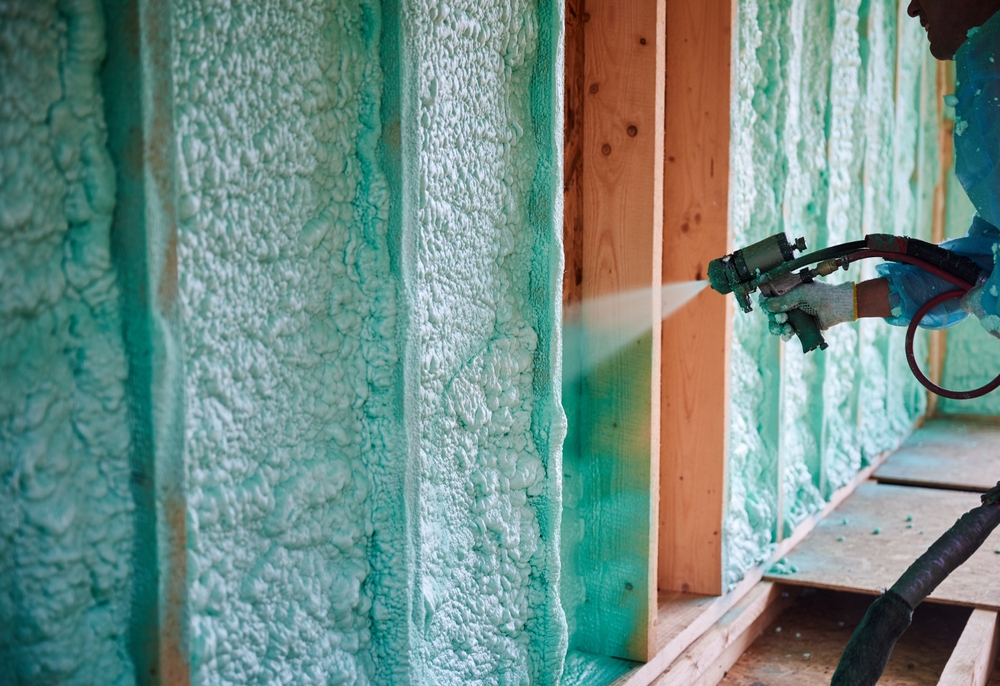
One of the most powerful tools available to homeowners and contractors today is spray foam insulation. The spray foam air sealing benefits go well beyond what traditional fiberglass batts or blown-in cellulose can offer. Spray foam expands to fill every gap, crack, and void it encounters, creating a seamless barrier that is both thermally efficient and airtight.
When spray foam is applied in attics, crawlspaces, and wall cavities, it eliminates the pathways through which pollutants, allergens, and moisture typically enter. This is especially valuable in Sacramento, CA, where summer temperatures regularly push past 100 degrees Fahrenheit and the HVAC system runs constantly. A home sealed with spray foam forces all incoming air to pass through proper ventilation channels, where it can be filtered before entering the living space.
In Petaluma, CA, where the marine layer from San Pablo Bay can push humidity levels up sharply in the evenings, spray foam insulation helps prevent the kind of moisture infiltration that leads to condensation inside walls. That condensation is what feeds mold colonies, and once mold takes hold in wall cavities, it is both expensive and disruptive to remediate. Preventing moisture entry in the first place is always the smarter and more affordable path.
Homeowners in Northern California who invest in spray foam insulation often report noticeable improvements in air quality within days of installation. Stuffy rooms become better ventilated through controlled channels, musty odors from attic infiltration disappear, and allergy symptoms associated with pollen and dust tend to decrease. These are not just comfort upgrades; they are meaningful health improvements.
Choosing the Right Insulation for Your Home and Climate
Not all insulation products perform equally when it comes to air quality. The right choice depends on your home’s construction, your local climate, and the specific air quality challenges you face. An experienced insulation contractor in Sacramento, CA will assess your home’s current insulation levels, identify problem areas, and recommend the most effective combination of materials and techniques.
For older homes in Sacramento, CA and Petaluma, CA, a common approach involves combining spray foam air sealing at key penetration points with blown-in insulation to fill larger cavities in attics and walls. This hybrid approach delivers both the airtight seal that prevents pollutant infiltration and the thermal mass needed to keep temperatures stable.
In newer homes or during new construction, closed-cell spray foam is often applied throughout the building envelope for maximum performance. Closed-cell foam has a very high R-value per inch and acts as a vapor barrier, which is particularly useful in areas of Petaluma, CA that experience frequent marine humidity.
It is also worth noting that insulation materials themselves can affect indoor air quality if they off-gas volatile organic compounds (VOCs). Reputable insulation contractors in Northern California use low-VOC and zero-VOC products wherever possible, ensuring that the installation process does not introduce new pollutants into the home. Always ask your contractor about the air quality ratings of the materials they plan to use.
Long-Term Air Quality Benefits of a Well-Insulated Home
Investing in quality home insulation is not just about solving today’s problems. It is about protecting your home and your family for years to come. A properly insulated and air-sealed home maintains more consistent indoor humidity levels, which discourages dust mite populations and mold growth year-round. It reduces the volume of outdoor pollutants entering the home, which is particularly important for residents in areas affected by seasonal wildfires and agricultural activity across Northern California.
A well-sealed home also allows your HVAC system to operate more efficiently. When the system does not have to compensate for constant air leakage, it runs fewer cycles, experiences less wear, and maintains better filtration of the air circulating through your home. That means your air filters catch more particulates and your home consistently meets a higher standard of indoor air quality insulation performance.
For families with children, elderly members, or anyone with respiratory conditions such as asthma or chronic allergies, these improvements are not optional extras. They are essential investments in daily health and wellbeing. Homeowners in Sacramento, CA and Petaluma, CA who have upgraded their insulation consistently report fewer sick days, better sleep quality, and reduced reliance on air purifiers and medications to manage allergy symptoms.
Conclusion
Proper insulation does far more than regulate temperature. For homeowners in Sacramento, CA and Petaluma, CA, it is a frontline defense against the airborne threats that compromise indoor air quality every day. From spray foam air sealing benefits that block pollutants and moisture to airtight insulation solutions that give your HVAC system a fighting chance, the right approach to home insulation transforms the air your family breathes. If you are ready to improve your home’s air quality, consult a trusted insulation contractor in Sacramento, CA to find the right solution for your specific needs.
Need Insulation Near You?
Since 2001, Ace Insulation Inc. has been your premier insulation experts. We take pride in being locally owned and operated as well as offering high-quality service. We specialize in the installation of insulation. Whether you are building a new home or renovating your existing space, we are the place to call. We have many materials to choose from, including fiberglass and spray foam. If you are looking for high-quality work, call us today to schedule your next consultation!
Whether you are building a new home, upgrading an older property, or trying to cut down on your energy bills, finding the right insulation contractor is one of the most important decisions you can make. The quality of your insulation directly affects your comfort, your monthly costs, and the long-term health of your home or commercial building. In cities like Sacramento, CA, Petaluma, CA, and Sparks, NV, where temperatures can swing from scorching summers to frigid winters, proper insulation is not a luxury. It is a necessity.
With so many options out there, knowing what separates a trustworthy, skilled contractor from an unreliable one can save you time, money, and serious headaches down the road. Here is a detailed guide to help you make the right choice when searching for the best insulation company in your area.
1. Verify Licensing and Insurance Before Anything Else
The first thing you should do before hiring any insulation contractor is confirm that they hold the appropriate licenses and insurance. In California, contractors are required to be licensed through the California Contractors State License Board (CSLB). If you are in Sparks, NV, you will want to verify credentials through the Nevada State Contractors Board.
A licensed insulation installer has demonstrated a baseline level of knowledge and professionalism that unlicensed operators simply cannot guarantee. Licensing protects you legally and financially if something goes wrong during the installation process. Beyond licensing, always ask for proof of general liability insurance and workers’ compensation coverage. Without these, you could be held responsible for accidents or property damage that occur on your job site.
Do not skip this step, even if a contractor comes highly recommended by a neighbor or friend. Credentials can lapse, and it is always better to verify directly.
2. Look for Experience in Your Specific Climate Zone
Northern California and the Nevada border region present unique challenges for insulation professionals. Sacramento, CA sits in a hot inland valley where summer temperatures regularly exceed 100 degrees Fahrenheit. Petaluma, CA, located in Sonoma County, experiences a cooler coastal-influenced climate with damp, foggy conditions during certain seasons. Sparks, NV sits at a higher elevation and deals with both intense summer heat and cold, snowy winters.
Each of these climates demands a different approach to insulation strategy. The best insulation company for your property is one that understands local building codes, Energy Title 24 compliance requirements in California, and the specific R-value recommendations for your region. An experienced insulation contractor will know which materials perform best in your environment, whether that is blown-in fiberglass, spray foam, cellulose, or rigid foam board.
When you speak with a potential contractor, ask them directly how long they have been providing insulation services in the Sacramento area or in your specific city. Local experience is a major advantage that cannot be replaced by general industry knowledge alone.
3. Evaluate the Range of Insulation Services They Offer
Not every insulation job is the same. A reputable insulation contractor should be able to handle a wide variety of projects, from attic and wall insulation to crawl space encapsulation, vapor barriers, and even soundproofing applications. If you are a homeowner in Petaluma, CA looking to improve energy efficiency in an older Victorian-style home, you need a contractor who has experience working in tight, unconventional spaces. If you are managing a commercial property in Sparks, NV, you need a company that can scale up its operations and meet commercial building codes.
Comprehensive insulation services also include proper air sealing, which works hand in hand with insulation to prevent conditioned air from escaping through gaps, cracks, and penetrations in the building envelope. A contractor who only focuses on installing insulation material without addressing air sealing is leaving performance on the table. Ask potential contractors about their approach to air sealing and whether it is included in their standard scope of work.
A contractor who offers a broad menu of services is typically more invested in their craft and better equipped to provide a solution that is genuinely tailored to your needs.
4. Ask for References, Reviews, and Detailed Insulation Quotes
Before committing to any insulation contractor, request references from recent customers in Sacramento, Petaluma, or Sparks. A trustworthy company will have no hesitation providing contact information for past clients. Speaking directly with previous customers gives you insights that no website or advertisement can offer. You can ask about the quality of workmanship, how the crew treated the home, whether the project was completed on time, and whether there were any surprise costs at the end.
Online reviews on platforms like Google, Yelp, and the Better Business Bureau are also valuable tools. Look for patterns in the feedback rather than fixating on individual negative reviews. A company with dozens of positive reviews and a thoughtful response to the occasional complaint is generally a safer bet than one with no online presence at all.
When it comes to insulation quotes, always get at least three before making a decision. Quotes should be provided in writing and should clearly outline the scope of work, the materials to be used, the R-values being installed, the timeline, and the total cost. Be cautious of contractors who offer unusually low bids, as this often signals the use of inferior materials, a lack of proper licensing, or a plan to cut corners once work begins.
Comparing detailed insulation quotes side by side allows you to make an informed decision rather than simply going with the cheapest option. The goal is value, not just price.
5. Assess Their Communication, Professionalism, and Warranties
The way a contractor communicates with you from the very first phone call or email says a great deal about how they will treat you throughout the project. A professional insulation contractor should respond promptly, answer your questions clearly, and never make you feel rushed or pressured into making a decision.
During your initial consultation, pay attention to whether the contractor takes time to inspect your space thoroughly or whether they offer a quote without really examining the property. A proper assessment should include measuring the areas to be insulated, checking existing insulation conditions, identifying any moisture or mold concerns, and discussing your specific goals for energy efficiency or comfort.
Professionalism also extends to the crew that shows up on installation day. Workers should arrive on time, respect your property, wear appropriate protective gear, and clean up after the job is done.
Finally, ask about warranties. A confident, reputable contractor will stand behind their work with a labor warranty in addition to the manufacturer warranties on the materials themselves. In Sacramento, CA and throughout Northern California, where energy efficiency standards are increasingly strict, a warranty gives you the peace of mind that your investment is protected.
Conclusion
Hiring the right insulation contractor in Sacramento, Petaluma, CA, or Sparks, NV does not have to be overwhelming. By verifying licensing, prioritizing local climate experience, reviewing the full range of insulation services available, comparing insulation quotes carefully, and evaluating professionalism and warranties, you put yourself in a strong position to make a confident, well-informed choice. Take your time, ask the right questions, and invest in a licensed insulation installer who will treat your home or building with the care it deserves.
Need Insulation Near You?
Since 2001, Ace Insulation Inc. has been your premier insulation experts. We take pride in being locally owned and operated as well as offering high-quality service. We specialize in the installation of insulation. Whether you are building a new home or renovating your existing space, we are the place to call. We have many materials to choose from, including fiberglass and spray foam. If you are looking for high-quality work, call us today to schedule your next consultation!
Areas Served
Proudly providing residential and commercial insulation installation to Petaluma, CA and the surrounding areas including:
Certificate of Approved Applicator from SWD, approved to install quik-shield polyurethane foam and coating products in residential and commercial applications according to the standards and guidelines as set forth by SWD Urethane