
Building a new structure from the ground up presents a unique opportunity to get the insulation right from the start. Whether you are developing a residential community in Sacramento, a commercial complex in Redding, or an industrial facility in Sparks, NV, the insulation decisions made during the construction phase will affect energy performance, occupant comfort, and code compliance for decades to come.
Working with an experienced insulation contractor during the planning stages is one of the smartest investments a builder or developer can make.
Understanding Regional Climate Demands
Northern California and Sparks, NV sit in climates that push insulation systems to their limits in very different ways. The Sierra Nevada foothills and higher elevations see cold winters with heavy snowfall, while the Central Valley bakes under intense summer heat. Sparks, NV, located just east of Reno in the high desert, experiences wide temperature swings between seasons and even within a single day.
New construction insulation strategies must account for both heating and cooling loads. In Northern California, coastal zones near the Bay Area have mild but damp conditions that demand moisture management alongside thermal performance. Inland zones from Stockton up through Redding contend with triple-digit summers that put enormous pressure on cooling systems. A properly insulated building envelope reduces the strain on HVAC equipment, lowers utility costs, and creates a more stable interior environment throughout the year.
Understanding these regional differences is why a one-size-fits-all approach fails in this geography. An insulation contractor with hands-on experience across Northern California and the Sparks, NV corridor will recommend solutions tailored to the specific climate zone where your project sits.
Navigating California Title 24 and Nevada Energy Codes
Code compliant insulation installation is not optional; it is a legal requirement that directly affects your certificate of occupancy. California operates under Title 24, Part 6, the California Energy Code, which sets some of the most demanding thermal performance standards in the country. New construction projects must meet minimum R-value requirements for walls, roofs, floors, and foundations depending on the specific climate zone in which the project is located.
California is divided into 16 climate zones, and Northern California alone spans several of them. A project in climate zone 1 near the Oregon border faces very different requirements than one in climate zone 12 in the Sacramento area. Builders who attempt to cut corners on insulation specifications during framing often find themselves facing costly corrections before final inspection.
In Nevada, the International Energy Conservation Code serves as the baseline, with Sparks, NV falling under the jurisdiction of Washoe County and the City of Sparks. Commercial insulation services and residential new builds in this area must comply with energy efficiency minimums that align with IECC standards, and inspectors are increasingly rigorous in their review of insulation installation documentation.
Working with a knowledgeable insulation contractor from the earliest design stages allows builders to meet code requirements efficiently, avoid rework, and document compliance with the proper paperwork before the inspector ever sets foot on the job site.
Choosing the Right Insulation Products for New Builds
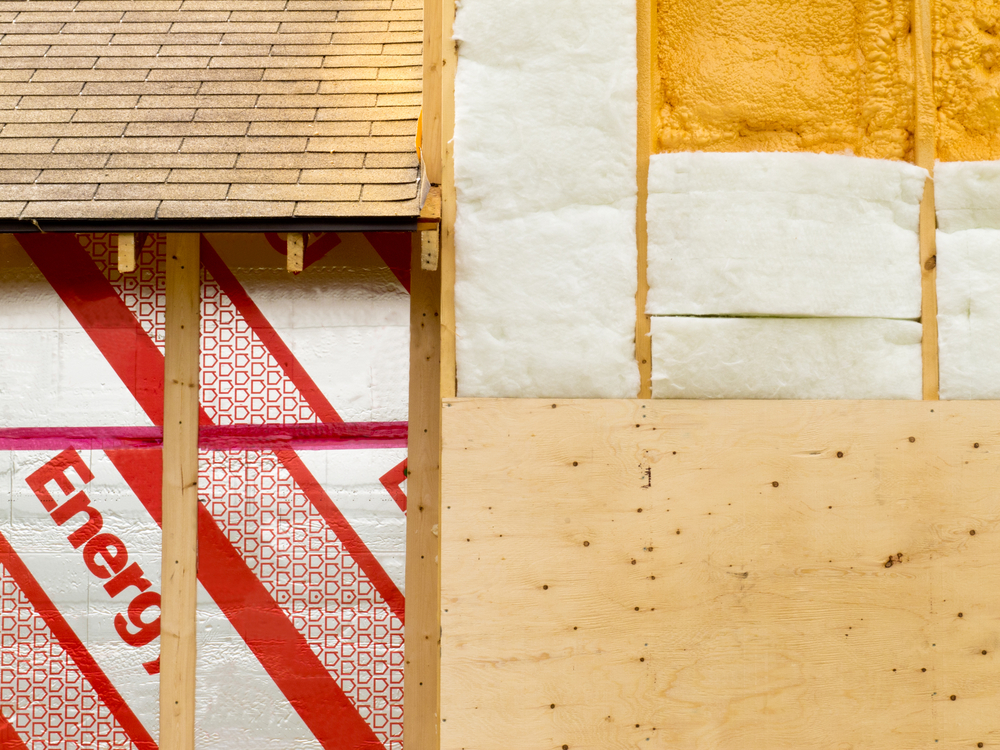
The product selection process for new construction insulation is more nuanced than many builders expect. Spray foam for new builds has gained significant traction in recent years because it addresses air sealing and thermal resistance in a single application. Open-cell spray foam works well in interior wall assemblies and attic spaces where flexibility and sound attenuation matter. Closed-cell spray foam delivers a higher R-value per inch and acts as both an air and vapor barrier, making it especially valuable in crawl spaces, rim joists, and exterior wall cavities in high-performance builds.
Fiberglass batt insulation remains a popular and cost-effective choice for standard residential framing in both Northern California and Sparks, NV. When installed correctly by trained crews, batts can meet code requirements with minimal material cost. The critical word is correctly. Gaps, compression, and misaligned batts dramatically reduce effective R-value and create thermal bridging that undermines the entire building envelope.
Mineral wool, also called rock wool or slag wool, is growing in popularity among builders who want improved fire resistance and sound control alongside solid thermal performance. It is dimensionally stable, does not absorb moisture readily, and performs well in both California climate zones and the dry conditions of Sparks, NV.
Rigid foam boards are frequently used in commercial insulation services projects, particularly for continuous insulation layers on exterior walls, under-slab applications, and roof assemblies. Continuous insulation is increasingly required under Title 24 for many wall assemblies, and rigid foam is often the most practical way to achieve it without significantly altering structural framing dimensions.
Best Installation Practices That Make the Difference
Selecting the right product is only half the job. The quality of the installation determines whether the materials perform as designed, and this is where partnering with a qualified insulation contractor separates successful projects from expensive headaches.
Air sealing is the single most overlooked element in new construction insulation. Before batts or blown-in materials are installed, all penetrations, wire chases, plumbing rough-ins, and framing gaps should be sealed with spray foam or caulk. The building science community has documented extensively that air leakage accounts for a significant portion of energy loss in buildings, often more than conductive heat transfer through under-insulated assemblies. Getting the air barrier right before closing up walls protects everything that follows.
Proper sequencing with other trades matters more in new construction than in retrofit work. Insulation crews need to coordinate with framers, plumbers, electricians, and HVAC teams so that rough-in work is complete and inspected before insulation begins. In Northern California, wet-applied insulation products like spray foam for new builds require attention to temperature and humidity conditions at the time of application, particularly during the cooler winter months in mountain communities.
For commercial insulation services on large new construction projects, third-party inspections and quality control documentation are increasingly standard. General contractors in California and Nevada are requiring photo documentation of insulation installation before drywall is installed to protect against liability and to streamline the code compliance process. An experienced insulation contractor will have these systems in place as part of their standard workflow.
Thermal bridging through steel framing is a particular concern in commercial new construction in both Northern California and Sparks, NV. Steel conducts heat at a rate roughly 300 times that of wood, which means standard cavity insulation alone is often insufficient in steel-framed assemblies. Continuous exterior insulation layers, thermally broken cladding attachments, and careful detailing around shelf angles and window openings are all critical elements of a high-performance commercial envelope.
Finding the Right Insulation Contractor for Your New Construction Project
Not all insulation contractors are equipped to handle the complexity of new construction projects, particularly large commercial or multi-family residential developments. When evaluating contractors for your project in Northern California or Sparks, NV, look for documented experience with code compliant insulation installation in the relevant climate zones, familiarity with the specific products your project requires, and the capacity to coordinate effectively with your general contractor and other trades.
Ask for references from comparable new construction projects, verify licensing and insurance for the state where your project is located, and confirm that the contractor understands the documentation requirements for Title 24 compliance in California or IECC compliance in Nevada. A contractor who has completed commercial insulation services projects across both states brings valuable cross-jurisdictional knowledge that can streamline the process from design through final inspection.
Pricing matters, but the cheapest bid rarely delivers the lowest total cost. Insulation failures in new construction result in failed inspections, rework expenses, and long-term energy performance deficits that the building owner absorbs for years.
Conclusion
Getting insulation right during new construction in Northern California and Sparks, NV requires careful product selection, rigorous installation practices, and a solid understanding of regional energy codes. Partnering with an experienced insulation contractor from the earliest project phases protects your investment, ensures code compliant insulation installation, and delivers the energy performance your clients and building occupants deserve.
Need Insulation Near You?
Since 2001, Ace Insulation Inc. has been your premier insulation experts. We take pride in being locally owned and operated as well as offering high-quality service. We specialize in the installation of insulation. Whether you are building a new home or renovating your existing space, we are the place to call. We have many materials to choose from, including fiberglass and spray foam. If you are looking for high-quality work, call us today to schedule your next consultation!