How to Tell if You Are Missing Insulation In Your Home
Having proper insulation is one of the most important factors in energy efficiency and maintaining a comfortable temperature in your home. If you suspect that your home may be lacking proper insulation, it’s important to address the issue as soon as possible to avoid wasting energy and money on high utility bills.
Here are some signs that may indicate that your home is missing insulation:
1. High Energy Bills
If you notice a sudden spike in your energy bills for no apparent reason, it could be a sign that your home is lacking proper insulation. Without adequate insulation, your heating and cooling system have to work harder to maintain a comfortable temperature in your home, which means that the system has to consume more energy and, consequently, lead to higher energy bills.
2. Drafts and Cold Spots
Another common sign of missing insulation is cold spots or drafts in your home. If you feel a sudden dip in temperature or drafts of cold air in certain areas of your home, it could be an indication that there’s a lack of insulation in those areas. Common areas that experience drafts include the attic, crawl space, and basement.
3. Ice Dams or Icicles
If you notice ice dams or icicles forming on your roof, it could be a sign that your attic is not properly insulated or ventilated. Without proper insulation and ventilation, warm air from your home can escape into the attic and cause snow to melt on the roof, which then refreezes when it reaches the cold eaves. This can cause dangerous ice dams and icicles to form, which can damage your roof and gutters and be a hazard to people walking below.
4. Uneven Temperature
If you notice that certain areas of your home are significantly warmer or cooler than others, it may indicate that there’s a lack of insulation in those areas. For example, if your upstairs rooms are too hot during the summer or too cold during the winter, it could mean that your attic lacks proper insulation.
5. Noisy HVAC System
If you notice that your heating and cooling system is louder than usual, it could be a sign that your system is working harder than it should be due to a lack of insulation. Proper insulation can help reduce the workload of your system, which in turn will reduce the amount of noise generated by the system.
6. Insect or Animal Infestations
If you notice an infestation of insects or rodents in your home, it could be a sign that there are gaps in your insulation. Small creatures can squeeze through even the tiniest of gaps, so it’s important to seal up any areas of your home where insulation is missing to prevent infestations.
7. Mold or Mildew
If you notice mold or mildew in your home, it could be a sign that there’s a moisture problem due to lack of insulation. Poor insulation can allow moisture to seep into your home from the outside, which can lead to mold and mildew growth.
What Should You Do If Your Home Lacks Insulation?
If you suspect that your home is lacking proper insulation, it’s important to address the issue as soon as possible to avoid wasting energy and money on high utility bills. Here are some steps you can take:
1. Evaluate Your Home’s Insulation
Before you take any steps to improve your home’s insulation levels, you should evaluate your home’s current insulation. Check your attic, walls, and crawl spaces for any signs of missing insulation or areas of poor insulation.
2. Hire a Professional
If you’re not comfortable evaluating your home’s insulation levels, or if you find an issue that’s beyond your skill level to fix, consider hiring an insulation professional. An insulation contractor can evaluate your home’s insulation levels and recommend the best course of action.
3. Install Additional Insulation
Once you know where your home is lacking insulation, you can start adding additional insulation to those areas. There are several different types of insulation available, including fiberglass, cellulose, and spray foam. Your insulation contractor can recommend the best type of insulation for your specific needs.
4. Seal Air Leaks
In addition to adding insulation, you should also seal any air leaks in your home to prevent warm air from escaping in the winter and cold air from escaping in the summer. Common areas where air leaks occur include windows, doors, and electrical outlets.
Conclusion
If you notice any signs of missing insulation in your home, it’s important to address the issue as soon as possible. Properly insulating your home will not only reduce your energy bills but also improve your comfort and the overall health and safety of your home. Don’t hesitate to hire an insulation professional if necessary, as the benefits will ultimately be worth it in the long run.
In recent years, spray foam insulation has become a popular choice for homeowners looking to reduce their energy bills and increase their home’s energy efficiency. Spray foam insulation is a type of insulation that is made up of polyurethane foam and is applied to walls, ceilings, and floors. This kind of insulation is versatile, making it a useful addition to both new and existing homes. Here’s all you need to know about spray foam insulation.
What is Spray Foam Insulation?
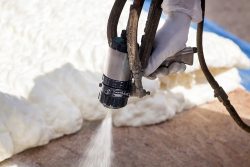
Spray foam insulation is created from a mixture of isocyanate and polyol resin. When these two chemicals are combined, they react to form polyurethane foam, which expands and hardens quickly to provide insulation. Spray foam insulation is applied as a liquid, and as it is sprayed onto the surface, it begins to expand in volume. This expansion allows the insulation to fill in gaps and cracks in the walls, ceilings and floors more effectively and efficiently than other forms of insulation. Spray foam insulation comes in two types: open-cell and closed-cell.
Closed-Cell Spray Foam Insulation
Closed-cell spray foam insulation has a higher R-value than open-cell foam, making it a more effective option for insulating your home. This type of insulation is dense and hardens to become a waterproof barrier. The closed cells make the insulation resistant to moisture, air, and other environmental pollutants. Additionally, the closed-cell composition makes this type of insulation an excellent sound barrier, which can help cut down on noise pollution.
Open-Cell Spray Foam Insulation
Open-cell spray foam insulation is less dense and more flexible than closed-cell foam. It is applied as a liquid that expands and dries into a spongy material. This type of insulation is a more affordable option compared to closed-cell insulation. However, its lower R-value makes it less effective at insulating against extreme temperatures. Additionally, open-cell foam can absorb moisture, which may lead to mold growth if it is not adequately sealed.
Benefits of Spray Foam Insulation
Spray foam insulation offers numerous benefits that make it a popular choice among homeowners. Here are a few of the benefits of spray foam insulation.
1. Energy Efficiency
Spray foam insulation is a highly effective energy-saving solution. Its R-value is one of the highest among insulation materials, meaning it can provide better insulation than traditional forms like fiberglass. Spray foam insulation creates an airtight seal, preventing drafts, and reducing heat transfer.
2. Improved Indoor Air Quality
Spray foam insulation prevents air and moisture from penetrating the home, making it a useful barrier against mold, mildew, and other airborne pollutants. This feature is particularly important for homeowners prone to allergies or respiratory issues.
3. Reduced Noise Pollution
Spray foam insulation is an excellent sound barrier due to the added thickness created by the foam, blocking out unwanted outdoor noise.
4. Longevity
Spray foam insulation can last up to 80 years, making it a durable choice for insulation. The foam’s toughness and resistance to moisture, mold, and mildew ensure that the insulation remains intact and effective for a long time.
5. Environmentally Friendly
When compared to other insulation types, spray foam insulation has a lower carbon footprint, making it a more environmentally friendly choice. Also, a well-insulated home consumes less energy, resulting in reduced carbon emissions.
Whether you’re trying to keep your energy bills down or simply want to do your part for the environment, adding insulationis a smart move. Not only can it save you money on your energy costs but it’ll also help prevent a variety of health issues and may even improve the value of your home!
Keeps Your Home Warm
Insulation works as a thermal barrier, preventing heat from escaping your home. It keeps your home warmer in the winter and cooler in the summer. Your walls, roof, and windows lose heat through two different processes: radiation (heat transferred by electromagnetic waves) and convection (heat transferred by air passing over the surface of your wall). If you’re looking for a more eco-friendly alternative to fiberglass insulation, cellulose is an excellent option. As a result, if you’re able to properly insulate your home, you can reduce your energy bills by 15%. This savings is more than enough to pay for the cost of insulation in less than a year.
Increases Your Home’s Value
Adding insulation to your home can save you a lot of money on energy bills. You will be able to decrease the amount of money you spend on heating and cooling, and it will also make your home more comfortable to live in. Insulation is also a great way to increase your home’s value. This is because it can improve a home’s energy efficiency, which makes it more attractive to potential homeowners. In fact, it has been proven that insulation can actually boost a homes’ resale value by as much as 2 to 6 percent. But in order to be effective, insulation must effectively block the flow of heat from one area to another. This is referred to as its R-value, which is a measure of how well the insulation resists the flow of energy.
Helps The Environment
Insulation provides resistance to heat flow, limiting the amount of energy needed to warm and cool your home. In the process, insulation also helps reduce greenhouse gas emissions and pollution. In a nutshell, heat moves through three mechanisms: conduction (where materials transfer energy through their surface), convection (where liquids and gases move through one another) and radiation (where thermal radiation from the sun is absorbed by solid objects). While these are all important, the primary impact of insulation on the environment is carbon energy reduction. Reducing energy use means reducing the amount of fossil fuels that need to be burned to produce that energy, which results in lower greenhouse gas emissions and improved air quality. Similarly, choosing an insulation product that is manufactured using recycled materials has a positive impact on the environment. Cellulose insulation, for instance, consists of 80% recycled newsprint.
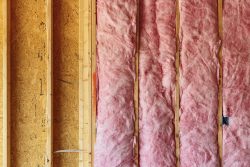
Insulationmade from fiberglass is a popular choice for homes. It’s safe to work with as long as you follow proper safety guidelines. Fiberglass insulation consists of tightly packed long rolls or single batts (single unrolled pieces) of spun fiberglass fibers. It provides a great thermal barrier, but it can also attract moisture and grow mold. When working with it, try to keep it dry and use a vapor barrier to keep moisture out.
The Right Equipment
When you work with fiberglass, it’s important to wear the right clothes. This includes long pants, socks and boots, a hat and a long-sleeved shirt. While this may seem like a lot of clothing, it’s essential to help protect you from skin irritation that could result from touching the material. It’s also a good idea to wear gloves. Fiberglass insulation is made from thin glass fibers that can get into your skin or eyes if you don’t wear proper protection. It can also cause respiratory problems and aggravate underlying conditions such as asthma. It’s also possible for small pieces of fiberglass to break away while you’re handling it and land in your lungs. You should wear a respirator or paper mask to prevent these particles from getting into your breathing system.
Keep The Area Clean
Whether you’re working with fiberglass insulation in the office or the home, it’s important to keep the area clean. The material can release tiny particles that look like dust but can irritate the skin and eyes. Inhalation of these particles can aggravate respiratory issues such as asthma and bronchitis. If you’re working with fiberglass insulation in the home, make sure you have an adequate amount of ventilation and a shop vacuum to help get rid of the dust. If you don’t have access to a shop vacuum, it’s a good idea to open up windows and doors to let the air circulate around the insulation and get rid of the dust. And when it’s time to dispose of fiberglass, find a local landfill that accepts building supplies or a recycling facility. Use sealable heavy-duty trash bags to prevent the insulation from blowing through the house and causing annoying drywall repairs.
Don’t Rub
When you work with fiberglass insulation, it’s important to avoid rubbing your skin. This can make it itch and lead to rashes. Keeping your hands clean with a damp cloth is also an important step in safely handling fiberglass insulation. If you’re irritated or have itchy skin, try scrubbing off any of the strands that are stuck to your body with a cold shower to clear away all the particles. If you do notice itching and burning on your skin, stop rubbing immediately. You can try laying a strip of duct tape over the area, pressing it down gently until the shards come off. The American Lung Association recommends keeping children out of areas that are prone to accumulating fiberglass shards. This includes attics, playrooms, laundry rooms and other frequently occupied areas.
Insulating your attic is a big step toward keeping your energy bills low. It also helps to keep your home warm in the winter and cool in the summer. But installing insulation yourself isn’t as simple as it seems. It’s messy, dangerous and time-consuming.
The Right Tools & Materials
Insulating your home can be an expensive, time-consuming and dangerous project. It doesn’t have to be that way if you do it right. One of the biggest reasons people don’t DIY attic insulation is they don’t have the right tools for the job. The wrong tools can lead to unnecessary fatigue, mistakes and waste. And depending on the type of insulation you use, you may also need to seal small holes around plumbing pipes and vents. Fill these with caulk or expandable foam spray. This is a good way to keep moist air from leaking into your attic and freezing inside the walls. If the gaps are larger than 3 inches, you can stuff fiberglass insulation into them to increase their R-value. If you’re going to attempt this DIY, you’ll need to make sure you’ve done your research and know how to install the insulation properly. This is because if you do it wrong, your insulation may not be as effective or it could damage the building.
The Experience
Attic insulation is an important part of any home. It can improve energy efficiency by lowering heating and cooling costs while keeping the home comfortable. However, installing attic insulation is a complex task that requires experience and specialized tools. Unless you’re familiar with all the ins and outs of insulation installation, you should leave it to a professional. In addition, removing and replacing your own insulation could put you in violation of building codes. This could negatively impact the sale of your home and cause you to pay fines or fees. Another major problem with DIY attic insulation is the risk of fires. This is because insulation may contain paper or foil that can easily catch fire if it’s not treated with flame retardants.
Areas Served
Proudly providing residential and commercial insulation installation to Petaluma, CA and the surrounding areas including:
Certificate of Approved Applicator from SWD, approved to install quik-shield polyurethane foam and coating products in residential and commercial applications according to the standards and guidelines as set forth by SWD Urethane

 How to Tell if You Are Missing Insulation In Your Home
 All About Spray Foam Insulation
 How Insulation Saves You Energy
 How To Safely Handle Fiberglass Insulation