

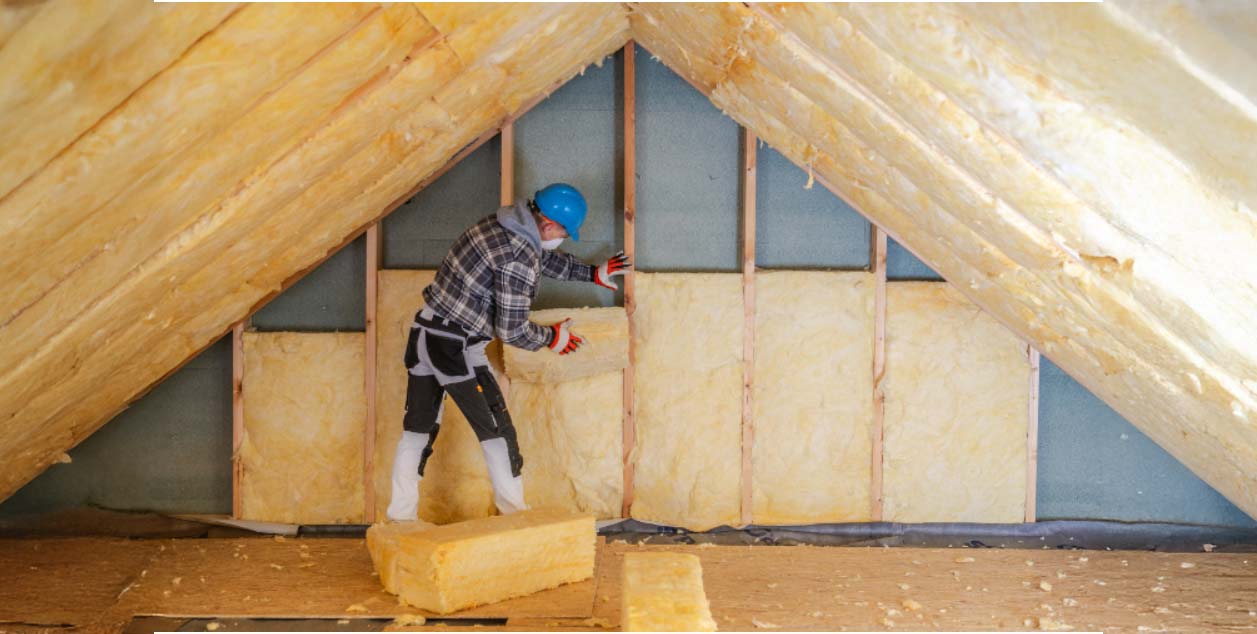
A home that feels comfortable on a mild afternoon can become noticeably harder to heat or cool when Petaluma weather shifts. Warm, dry summers, cooler winter nights, older construction, and temperature differences between sunny and shaded parts of a home can all expose weaknesses in the building envelope.
If certain rooms never feel quite right or your heating and cooling system seems to run longer than expected, the insulation may deserve a closer look.
Quick answer: Your home may need an insulation upgrade if you notice uneven indoor temperatures, persistent drafts, rising heating or cooling costs, unusually hot ceilings or rooms in summer, or insulation that is thin, damaged, compressed, or missing. These symptoms do not always mean insulation is the only problem, so air leakage, ductwork, moisture, and HVAC performance should also be considered.
What local homeowners should know
-
Older homes in established Petaluma neighborhoods may have insulation levels that differ significantly from those used in more recent construction.
-
Petaluma’s long, dry summer season can allow attic spaces and roof assemblies to absorb considerable heat, making weak insulation more noticeable upstairs.
-
Cool winter nights can expose drafts and poorly insulated areas that were less obvious during warmer weather.
-
Insulation and air sealing work together, so adding insulation without addressing major air leaks may leave some comfort problems unresolved.
-
A professional evaluation can help determine whether the issue involves the attic, walls, crawl space, ductwork, air leakage, or a combination of factors.
Why Insulation Matters for Petaluma Homes
Insulation matters in Petaluma because it helps slow unwanted heat movement through the attic, walls, and floors during both warm summers and cooler winter weather. A well-performing thermal envelope can help a home maintain more consistent indoor temperatures while reducing the workload placed on heating and cooling equipment.
Local weather has a pronounced seasonal pattern. Petaluma typically experiences long, dry, warm summers and shorter, wetter winters, with substantial differences between daytime and nighttime temperatures during parts of the year. Homes around West Petaluma, East Petaluma, the Petaluma River area, and neighborhoods toward Adobe Road can also vary considerably in age, design, remodeling history, attic configuration, and exposure to sun.
Ace Insulation Inc. helps homeowners evaluate insulation concerns and determine where upgrades may improve the home’s thermal performance. From this point forward, we focus on identifying the source of the problem rather than assuming that simply adding more material is always the right solution.
Local Data and Building Observations
Petaluma’s seasonal temperature pattern makes year-round insulation performance important rather than making insulation only a winter concern. Weather data for the area shows warm, predominantly dry summers and cool, wetter winters, which means homes need to resist heat moving inward during warmer periods and outward during colder periods.
The U.S. Department of Energy also identifies drafts, uneven room temperatures, cold surfaces, moisture symptoms, and unusually high heating or cooling bills as potential signs that a home’s thermal performance needs attention. It recommends looking at insulation, air leakage, and moisture as interconnected parts of the building rather than treating one component in isolation.
This whole-home perspective can be especially useful in Sonoma County, where properties range from historic and remodeled homes to newer subdivisions. Petaluma’s long building history is visible in landmarks such as Petaluma Adobe State Historic Park, whose origins date to the 1830s.
5 Signs Your Home May Need an Insulation Upgrade
The clearest signs of an insulation problem are recurring comfort or energy issues that cannot be explained by a temporary weather change or thermostat setting. Homeowners should pay particular attention when several of the following symptoms appear together.
1. Some Rooms Are Much Hotter or Colder Than Others
A large temperature difference between rooms can indicate that part of the home is losing or gaining heat faster than the rest.
For example, an upstairs bedroom may become uncomfortable on sunny summer afternoons while the first floor stays reasonable. During winter, a room over a crawl space or garage may stay noticeably colder.
Uneven temperatures can have several causes, including duct problems or solar exposure, but inadequate or inconsistent insulation is one possibility worth investigating.
2. You Feel Drafts Even With the Windows Closed
Persistent drafts can signal air leakage around plumbing penetrations, attic openings, recessed fixtures, framing transitions, doors, or other gaps in the building envelope.
Insulation alone does not necessarily stop moving air. The Department of Energy compares insulation and air sealing as complementary measures because cracks and openings can reduce the effectiveness of otherwise adequate insulation.
If a West Petaluma home feels chilly near certain walls or ceilings on a cool morning, for example, the underlying issue may require both insulation evaluation and air sealing.
3. Heating or Cooling Seems to Run Constantly
Long HVAC run times can occur when heat moves through the building envelope faster than the system can comfortably compensate for it.
That does not automatically prove the insulation is inadequate. Dirty filters, aging equipment, leaking ducts, thermostat problems, and air leakage can create similar symptoms.
However, if the system is functioning properly and your home still struggles to hold its temperature, inspecting the attic and other insulated areas is a reasonable next step.
4. Your Upstairs Rooms or Ceilings Get Very Hot in Summer
Excessive summer heat at the top of the home can point toward inadequate attic insulation, air leakage, or other roof and attic performance issues.
This can become particularly noticeable during Petaluma’s dry summer months, when prolonged sunshine heats roofing and attic spaces. The rooms immediately below the attic may then become harder to keep comfortable.
A proper evaluation should consider insulation depth and condition along with attic air leaks, ventilation, duct location, and other factors before recommending an upgrade.
5. Existing Insulation Looks Thin, Uneven, Damaged, or Disturbed
Visible insulation problems are among the strongest reasons to schedule a closer evaluation.
In an accessible attic, homeowners may notice bare areas, compressed material, insulation pushed aside around storage or previous work, or sections that appear substantially different from neighboring areas. The Department of Energy specifically notes that insulation may be too thin, uneven, missing, or displaced in existing homes.
Do not disturb questionable insulation or enter unsafe attic or crawl-space areas simply to inspect it more closely.
What Causes Insulation Problems in Local Homes?
Insulation problems in Petaluma commonly develop because of building age, incomplete coverage, air leakage, previous renovations, moisture issues, or material that has been disturbed over time. The exact cause depends on the home’s construction and history.
Older properties may have been built under different energy-efficiency expectations than newer homes. Remodeling can also leave sections of a building envelope with different insulation levels.
Attic work is another factor. Electrical, HVAC, plumbing, or storage activity can sometimes compress or move existing material. Openings around penetrations can create paths for conditioned air to escape even when insulation remains present.
Moisture should be addressed before insulation is covered or replaced. Wet or damaged materials can indicate a roof, plumbing, ventilation, or condensation issue that needs to be corrected first.
When Should You Call an Insulation Professional?
Call a professional when comfort problems are persistent, insulation appears damaged or inaccessible, energy use has changed without a clear explanation, or you cannot safely determine what is happening inside the attic, walls, or crawl space.
Homeowners can safely note which rooms feel uncomfortable, look for obvious drafts, compare seasonal utility usage, and visually inspect an attic from a safe access point when conditions permit.
DIY inspection should stop when the area involves exposed wiring, difficult access, suspected moisture damage, pests, potentially hazardous materials, or any situation where walking through an attic could damage the ceiling below.
A professional evaluation can also help separate an insulation problem from issues involving ducts, air sealing, ventilation, or HVAC performance.
How Can Petaluma Homeowners Help Prevent Insulation Problems?
Petaluma homeowners can protect insulation performance by controlling moisture, limiting unnecessary disturbance in attics and crawl spaces, sealing appropriate air leaks, and periodically checking accessible insulation for visible changes.
Before the warmer part of the year, pay attention to rooms that overheated the previous summer. Before cooler winter weather, note drafts and rooms that take unusually long to warm.
Also investigate roof or plumbing leaks promptly. Insulation should not be used to hide an active moisture problem.
If contractors need access to an attic for electrical, plumbing, HVAC, or communications work, checking the insulation afterward can help identify areas that were accidentally compressed or displaced.
What Results Can You Expect From an Insulation Upgrade?
A properly planned insulation upgrade can improve temperature consistency and reduce unwanted heat transfer, although the exact results depend on the rest of the home’s building envelope and mechanical systems.
Some homeowners notice that previously uncomfortable rooms become easier to heat or cool. HVAC equipment may also have less work to do when insulation and air sealing weaknesses are addressed appropriately.
Results differ by property, so homeowners should be cautious of promises based on insulation alone. Windows, ducts, air leakage, equipment condition, orientation, shading, and occupant habits can all influence indoor comfort and energy use.
Common Insulation Mistakes to Avoid
The biggest insulation mistakes are adding material without diagnosing the problem, covering moisture damage, blocking necessary ventilation, and assuming more insulation will fix every comfort complaint.
Mistake: Adding insulation over an unidentified leak.
Consequence: Moisture can continue damaging surrounding materials.
Better approach: Find and correct the moisture source first.
Mistake: Ignoring air leakage.
Consequence: Conditioned air may continue escaping through gaps.
Better approach: Evaluate insulation and air sealing together.
Mistake: Treating an uncomfortable room as proof of poor insulation.
Consequence: The real problem, such as duct leakage or HVAC imbalance, may remain unresolved.
Better approach: Diagnose the complete system before choosing a repair.
A Common Local Scenario
A common local scenario is an older Sonoma County home where the upstairs becomes uncomfortable during summer afternoons but several downstairs rooms remain comfortable.
The homeowner may initially assume the air conditioner needs replacement. An inspection, however, could reveal uneven attic insulation, accessible air leaks, disturbed material around previous mechanical work, or another building-envelope issue.
This is not a specific Ace Insulation Inc. project or case study. It illustrates why diagnosis should come before deciding on an insulation upgrade.
Which Insulation Services May Help?
The right insulation service depends on where thermal performance is being lost and whether existing material can remain in place.
Possible solutions may include attic insulation improvements, insulation replacement where material is damaged or unsuitable, targeted work in accessible areas, and related air-sealing measures where appropriate.
We recommend basing the scope of work on the home’s actual condition rather than choosing a material or quantity before the property has been evaluated.
DIY Inspection vs. Professional Evaluation
A basic visual check can help homeowners recognize obvious insulation concerns, but professional evaluation is better when the cause is unclear or the work area is difficult to access safely.
DIY observation works well for documenting uncomfortable rooms, noticeable drafts, obvious attic gaps visible from a safe location, and seasonal patterns.
Professional help becomes more valuable when insulation is hidden, damaged, contaminated, difficult to reach, or intertwined with ventilation, moisture, electrical, duct, or air-sealing concerns.
Areas We Serve Around Petaluma
Our local service focus includes homeowners in Petaluma and surrounding Sonoma County communities where insulation performance can affect year-round comfort. Nearby areas may include Cotati, Rohnert Park, and other communities within the company’s confirmed service territory.
What Can Happen If You Ignore Poor Insulation?
Ignoring inadequate insulation can leave rooms uncomfortable, increase unnecessary heating or cooling demand, and allow underlying air-leakage or moisture concerns to remain undiscovered.
The cost is not always dramatic at first. It may show up gradually through longer HVAC cycles, difficulty maintaining temperatures, or recurring discomfort in the same rooms.
For customers of local energy providers, including households receiving electricity through Sonoma Clean Power with delivery infrastructure maintained by PG&E, reducing unnecessary household energy demand can also be part of a broader home-efficiency strategy.
Frequently Asked Questions
How do I know if my Petaluma home needs more attic insulation?
Your home may need more attic insulation if coverage is visibly thin or uneven and you also experience symptoms such as uncomfortable upstairs rooms, drafts, or difficulty maintaining indoor temperatures. A professional inspection can determine whether additional insulation, air sealing, or another correction is appropriate rather than relying on appearance alone.
Do older homes in Petaluma usually need insulation upgrades?
Some older Petaluma homes may benefit from insulation improvements, but age alone does not determine whether an upgrade is necessary. Previous remodeling, insulation additions, air sealing, moisture history, and construction type all matter. An evaluation of the current building envelope provides better guidance than simply using the home’s construction date.
Can poor insulation make my Petaluma home hot in summer?
Yes, inadequate attic or wall insulation can contribute to summer heat entering a Petaluma home more quickly, particularly in rooms directly beneath a hot attic or roof. Air leakage, windows, shading, duct conditions, and HVAC performance can also contribute, so the entire comfort problem should be evaluated.
Will adding insulation automatically lower my energy bill?
No, an insulation upgrade does not guarantee a specific reduction in energy costs because household energy use depends on many variables. Weather, thermostat settings, equipment efficiency, air leakage, windows, home size, and occupant behavior all affect consumption. Proper insulation can reduce unwanted heat transfer and support overall efficiency.
Should I replace wet insulation in a Sonoma County home?
Wet insulation should be evaluated along with the source of the moisture before repairs proceed. A roof leak, plumbing issue, condensation problem, or other moisture source should be identified and corrected first. Depending on the insulation type and extent of damage, affected material may require removal or replacement.
Is insulation useful during Petaluma winters?
Yes, insulation remains useful during Petaluma winters because it slows heat movement out of conditioned living spaces when outdoor temperatures are cooler. The area experiences a distinct cooler and wetter season, so adequate insulation can support comfort in winter as well as help resist unwanted heat during the dry summer season.
Can insulation fix a drafty house?
Insulation can help with thermal performance, but drafts often require air sealing as well. Openings around pipes, wiring, attic penetrations, framing connections, doors, and other gaps can allow air to move through the building envelope. The best solution may involve addressing both insulation coverage and uncontrolled air leakage.
Is fall a good time to evaluate insulation in Petaluma?
Yes, fall can be a practical time to evaluate insulation because homeowners can address comfort concerns before the colder, wetter portion of the local year. Spring can also be useful before summer heat arrives. There is no requirement to wait for a particular season if your home is already showing clear warning signs.
Improve Year-Round Comfort in Your Petaluma Home
A comfortable home starts with understanding where heat and air are moving through the building envelope. If you are noticing uneven temperatures, drafts, excessive upstairs heat, or questionable attic insulation, Ace Insulation Inc. can help you evaluate your options without assuming every home needs the same solution.