
Sacramento homeowners ask a lot from their insulation. Long stretches of summer heat can turn an under-insulated attic into a major source of unwanted heat gain, while cool winter nights make gaps and thin areas noticeable from the other direction.
The choice between fiberglass and blown-in insulation is not simply about which material is “better.” It is about which installation method fits your home, attic conditions, existing insulation, and comfort goals.
Quick answer: Fiberglass batts can be a practical choice for open framing where insulation can be fitted neatly between joists or studs. Blown-in insulation is often well suited to existing attics because loose material can cover irregular spaces and fill around framing and obstructions. For many Sacramento retrofit projects, attic condition and installation quality matter more than choosing one material based on name alone.
What local homeowners should know
-
Fiberglass batts work best when they can be installed continuously without compression, large gaps, or awkward obstructions.
-
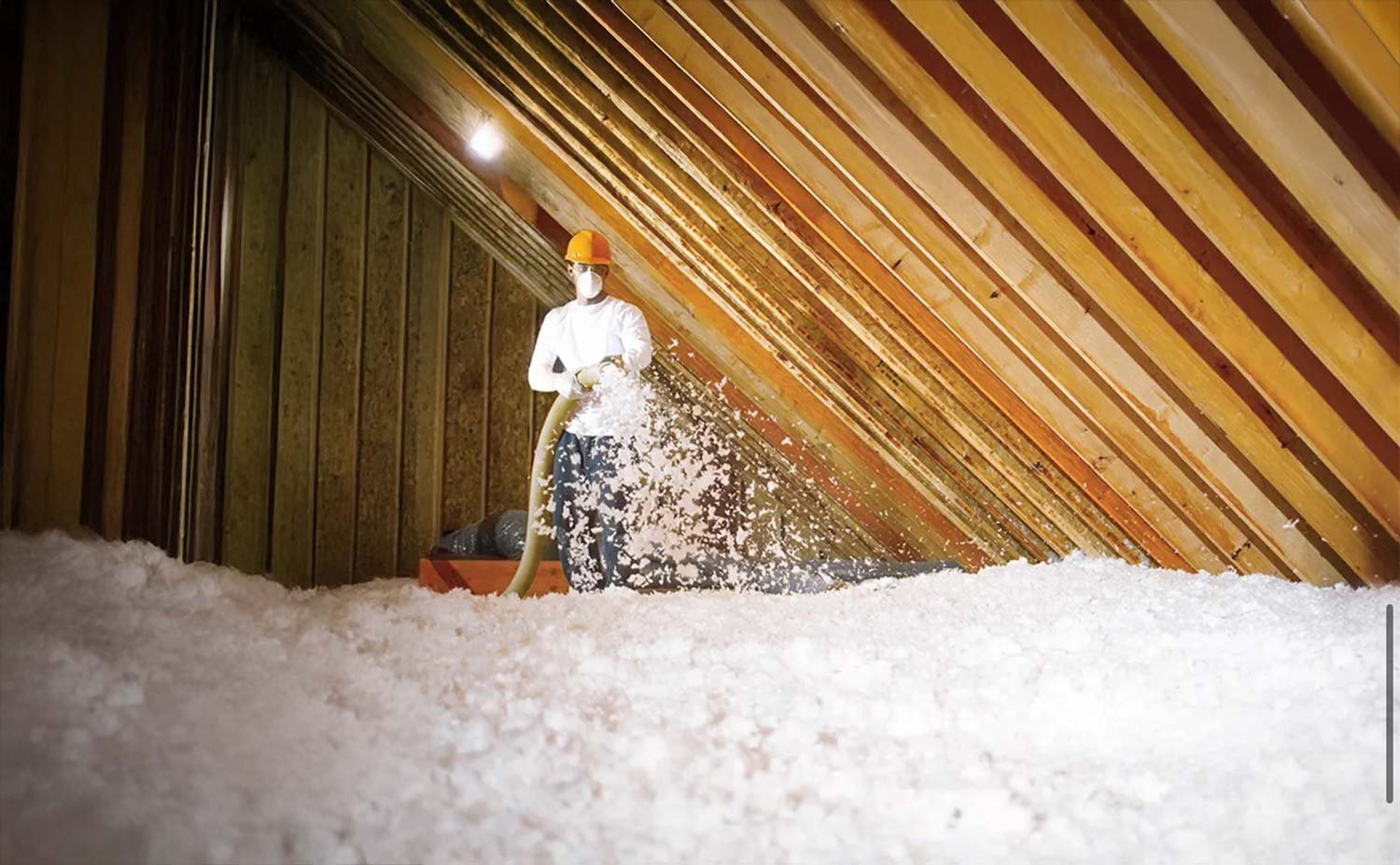
Blown-in insulation can be useful in Sacramento-area attics with existing insulation or framing that makes batt installation difficult.
-
Summer attic heat makes consistent coverage especially important for local homes.
-
Older homes in neighborhoods such as East Sacramento, Land Park, and Curtis Park may have insulation conditions that differ considerably from newer construction.
-
Existing insulation should be inspected before deciding whether to add material, replace it, or address air leakage first.
Why Does the Insulation Choice Matter in Sacramento?
The insulation choice matters in Sacramento because prolonged summer heat can expose weak attic coverage, gaps, and under-insulated areas that allow unwanted heat to move toward the living space. Winter conditions also make adequate insulation valuable, so homeowners need a solution that performs consistently rather than simply adding more material.
National Weather Service climate reporting illustrates the region’s cooling challenge. At Sacramento Metropolitan Airport, July 2026 had 27 days with maximum temperatures of at least 90°F, while August recorded 25 such days. That sustained heat is one reason attic insulation deserves attention in local homes.
Homes throughout Sacramento County also vary widely in age and construction. An older Midtown bungalow can present a very different insulation project from a newer home in Natomas.
At Ace Insulation Inc., we look at the existing conditions before determining which insulation approach makes sense for a property.
What Do Local Data and Field Conditions Tell Us?
Local climate data shows that Sacramento homes regularly experience extended periods of high summer temperatures, making the attic thermal boundary an important part of indoor comfort and energy performance. The right insulation system should provide consistent coverage while fitting the actual construction of the home.
The National Weather Service reported an average maximum temperature of 94.1°F at Sacramento Metropolitan Airport in July 2026. At Sacramento Executive Airport, the highest temperature that month reached 104°F.
California’s current Building Energy Efficiency Standards also address insulation as part of the building envelope. The 2025 Energy Code became effective January 1, 2026 for applicable new construction, additions, and alterations. Requirements vary by project, so homeowners should not assume that a particular R-value or installation method applies to every retrofit.
How Can Insulation Affect a Sacramento Home?
Insulation can affect a Sacramento home’s comfort by slowing heat transfer between conditioned rooms and hot or cold spaces such as the attic. Poor coverage can contribute to uncomfortable rooms, greater temperature differences between floors, and longer HVAC operation during periods of intense Central Valley heat.
A west-facing bedroom that becomes noticeably warmer every afternoon may have several contributing factors, including windows, ductwork, air leakage, and insulation. Insulation should therefore be evaluated as part of the home’s overall thermal envelope rather than treated as an automatic cure for every comfort problem.
What Are the Warning Signs of an Insulation Problem?
Common insulation warning signs include uneven room temperatures, visibly thin attic coverage, exposed ceiling joists, damaged insulation, and an HVAC system that struggles during hot weather. These symptoms do not prove insulation is the only problem, but they can justify an attic inspection.
Watch for:
-
Rooms directly below the attic becoming noticeably hotter than the rest of the house.
-
Existing loose-fill insulation that has obvious low spots or uncovered areas.
-
Fiberglass batts that are compressed, displaced, torn, or poorly fitted.
-
Visible gaps around framing or attic penetrations.
-
Insulation disturbed by previous electrical, plumbing, HVAC, or other attic work.
-
Significant comfort differences between the first and second floors.
-
Older insulation whose condition or coverage is unknown.
When Should You Call an Insulation Professional?
You should call an insulation professional when the attic has inconsistent coverage, damaged material, difficult access, possible contamination, or comfort problems that cannot be explained from inside the home. A professional assessment can help determine whether adding insulation, replacing material, or correcting other attic conditions should come first.
Homeowners can safely look for obvious problems from an attic access point without walking through an unfamiliar attic. Moving deeper into an attic can involve fall hazards, electrical components, ductwork, and areas where the ceiling below cannot support body weight.
What Commonly Causes Poor Insulation Performance?
Poor insulation performance commonly results from insufficient coverage, gaps, compression, disturbance, or an installation method that does not fit the attic configuration. In Sacramento-area homes, renovation history and differences in building age can make these problems especially variable from one property to another.
Fiberglass batts can lose effectiveness when they are compressed or cut poorly around obstacles. Blown-in material depends on correct depth and density and needs to be installed without leaving thin areas.
Air leakage can also undermine comfort even when insulation is present. Adding material without evaluating obvious penetrations may leave an important part of the problem unresolved.
How Should Sacramento Homeowners Maintain Attic Insulation?
Sacramento homeowners should periodically check attic insulation for displacement, damage, moisture concerns, and obvious changes after other contractors have worked in the space. Late winter or spring can be a useful time to identify problems before prolonged summer temperatures put additional demand on the home’s cooling system.
From the attic access, look for visibly uneven coverage or displaced batts. After roof, electrical, HVAC, or plumbing work, check whether insulation was moved and left out of place.
DIY inspection should stop where safe access ends or where damaged materials, wiring, pests, moisture, or other hazards are present.
What Results Can You Expect From Better Insulation?
Properly installed insulation can create more consistent thermal coverage and help reduce heat movement between the attic and conditioned rooms. Actual comfort and energy results vary because insulation works alongside air sealing, windows, HVAC equipment, ducts, shading, home orientation, and occupant habits.
For a Sacramento home with obvious attic deficiencies, correcting thin or missing areas may make the building envelope more consistent. Homeowners should be cautious of anyone promising a specific utility-bill reduction without evaluating the property.
What Mistakes Should Homeowners Avoid?
The biggest insulation mistakes are choosing solely by material, covering existing problems, and assuming that more insulation automatically produces better results. The better approach is to evaluate the attic first and select the material and installation method around its actual conditions.
Mistake: Choosing fiberglass or blown-in based only on price.
Consequence: The installation method may be poorly suited to the attic.
Better approach: Compare access, existing material, framing, required coverage, and project goals.
Mistake: Installing over damaged or problematic material without inspection.
Consequence: Existing issues can remain hidden.
Better approach: Determine what is already in the attic and why it is underperforming.
Mistake: Ignoring gaps and penetrations.
Consequence: Insulation alone may not address unwanted air movement.
Better approach: Evaluate air leakage as part of the attic project.
What Is a Common Sacramento Insulation Scenario?
A common Sacramento scenario is an older home with uneven attic insulation, areas disturbed by previous work, and rooms that become uncomfortable during hot afternoons. This is a representative situation, not a specific Ace Insulation Inc. customer case study.
In that situation, automatically laying fiberglass batts over everything may be difficult because of existing material and obstructions. Blown-in insulation may offer more uniform coverage, but the attic still needs to be evaluated first for conditions that should be corrected before adding insulation.
Which Insulation Services Can Help?
The appropriate insulation service may include attic inspection, adding insulation, replacing unsuitable material, or installing fiberglass or blown-in insulation based on the home’s needs. The goal should be to solve the coverage problem rather than push one insulation type for every property.
We can help homeowners evaluate their current attic conditions and understand which insulation approach is appropriate for the space.
Fiberglass vs. Blown-In Insulation: How Do the Options Compare?
Fiberglass is often a strong option for accessible, regularly framed spaces, while blown-in insulation is often advantageous for retrofits and irregular attic areas where continuous batt installation would be difficult. Neither choice is automatically right for every Sacramento property.
| Factor | Fiberglass Batts | Blown-In Insulation |
|---|---|---|
| Open framing | Often a good fit | Can also work |
| Irregular attic spaces | More difficult to fit | Often easier to cover |
| Existing attic insulation | Depends on conditions | Frequently considered for adding coverage |
| Installation consistency | Requires careful fitting | Requires proper depth and density |
| Around obstacles | Must be cut and fitted | Can fill around many obstructions |
| Best choice | Depends on the attic | Depends on the attic |
The most useful comparison is therefore not simply fiberglass versus blown-in. It is fiberglass or blown-in for your specific attic.
Where Do We Provide Insulation Solutions?
Our insulation services support homeowners in Sacramento and surrounding communities where attic heat and aging insulation can affect home comfort. Properties in areas such as East Sacramento, Midtown, Land Park, Natomas, and nearby Sacramento County communities can have very different insulation needs based on age, construction, and previous improvements.
Homes in nearby communities such as Elk Grove and Rancho Cordova can face similar Central Valley climate conditions.
What Can Happen If You Ignore Poor Attic Insulation?
Ignoring inadequate attic insulation can allow comfort problems and inefficient thermal performance to continue through Sacramento’s hottest and coolest periods. Waiting can also mean another cooling season with thin, missing, or poorly installed insulation still separating the living space from the attic.
Not every insulation deficiency requires immediate replacement. However, visible gaps, major inconsistencies, or damaged material are worth evaluating before simply accepting uncomfortable rooms as normal.
FAQ
Is blown-in insulation better than fiberglass for Sacramento homes?
Blown-in insulation can be better for Sacramento homes with irregular attic spaces or existing insulation that makes batt installation difficult. Fiberglass batts may be equally appropriate in open, accessible framing. The condition and layout of the attic should determine the installation approach rather than assuming one product is universally superior.
Is fiberglass insulation suitable for Sacramento’s hot summers?
Yes, properly selected and installed fiberglass insulation can be suitable for Sacramento’s hot summers. Performance depends on achieving appropriate thermal resistance and avoiding gaps, compression, and missing sections. Material choice is only one part of the system, so attic conditions and installation quality need to be considered as well.
Can blown-in insulation be added over existing attic insulation?
Blown-in insulation can sometimes be added over existing insulation, but the existing material should be evaluated first. Homeowners should identify moisture, contamination, damaged material, air leakage, or other problems before covering them. California requirements also apply to certain insulation alterations, making project-specific evaluation important.
How much insulation does a Sacramento attic need?
The appropriate insulation level depends on the home’s construction, existing assembly, project scope, and applicable California Energy Code requirements. There is no single R-value that should be prescribed for every Sacramento retrofit without evaluating those conditions. Current state standards include specific requirements for applicable attic and roof assemblies.
Does insulation help keep Sacramento homes cooler?
Insulation helps slow heat transfer from hot attic spaces toward conditioned rooms, making it an important part of summer thermal performance. Sacramento’s extended periods of temperatures above 90°F make attic coverage particularly relevant, although windows, air leakage, ducts, HVAC performance, and shading also influence indoor comfort.
Should old fiberglass insulation always be removed?
No, old fiberglass insulation does not automatically require removal simply because of its age. Its condition matters more. Material that remains properly positioned and free from significant damage may be handled differently from insulation affected by moisture, contamination, pests, compression, or extensive disturbance.
Is blown-in insulation good for older Sacramento homes?
Blown-in insulation can be a practical option for older Sacramento homes because attic framing, additions, and previous improvements can create irregular spaces. Neighborhoods with older housing stock may present conditions where fitting batts continuously is challenging. The existing attic should still be inspected before deciding how new insulation will be installed.
When is the best time to inspect attic insulation in Sacramento?
Before peak summer heat is a practical time to inspect attic insulation in Sacramento because problems can be identified before the cooling season becomes most demanding. An inspection can also make sense after roofing, HVAC, electrical, or plumbing work if contractors may have moved insulation while accessing the attic.
Make Your Sacramento Home More Comfortable Through Every Season
Choosing between fiberglass and blown-in insulation starts with understanding your attic, not choosing a material from a list. We can help evaluate existing coverage and determine which insulation approach makes sense for your Sacramento-area home.