
Building a new home or residential project in Petaluma means planning for cool, damp winter mornings, warmer summer afternoons, and California energy-efficiency requirements from the beginning. Insulation is one part of the building envelope that is much easier to get right before drywall goes up than to correct after construction is complete.
For builders and homeowners, the goal is not simply to fill wall and attic cavities. The insulation system needs to work with the framing, air sealing, HVAC design, ventilation, and approved energy plans for the project.
What Should You Know About Insulation for New Construction in Petaluma?
Insulation for new construction in Petaluma should be planned as part of the complete building envelope and coordinated with the project’s approved energy-compliance documents. Proper installation can help reduce unwanted heat transfer, support indoor comfort, and allow the completed home to perform closer to the way it was designed.
A few important points to keep in mind:
-
Insulation requirements should be confirmed from the approved plans and current California energy standards rather than assumed from a previous project.
-
Petaluma’s seasonal temperature changes make both winter heat retention and summer heat control relevant to insulation planning.
-
Wall, attic, ceiling, floor, and other assemblies may require different insulation strategies based on the building design.
-
Installation quality matters because gaps, compression, and incomplete coverage can reduce the performance of an otherwise suitable insulation product.
-
Builders should coordinate insulation with electrical, plumbing, HVAC, and inspection schedules before walls and ceilings are closed.
Why Does Insulation Matter for New Construction in Petaluma?
Insulation matters locally because a new building in Petaluma must manage year-round outdoor conditions while meeting applicable California energy-efficiency requirements. A well-planned thermal envelope helps separate conditioned indoor areas from attics, exterior walls, crawlspaces, garages, and other spaces where temperatures can vary considerably.
Petaluma properties range from established areas near Historic Downtown and the Petaluma River to newer residential development around corridors such as East Washington Street, Ely Boulevard, and Lakeville Highway. Building designs vary, but the basic objective remains the same: create a continuous thermal boundary that works with the rest of the home.
The City of Petaluma Building Division oversees local construction and alteration projects for compliance with applicable state and local building codes, including energy-efficiency requirements.
Ace Insulation Inc. provides insulation services for projects in the Petaluma area. Once plans establish the insulation requirements, we can focus on installing the specified insulation carefully and coordinating the work with the construction schedule.
What Do Current Energy Requirements Mean for New Construction?
Current energy requirements mean Petaluma builders should verify insulation specifications against the code cycle that applies to the project’s permit application. California’s 2025 Building Energy Efficiency Standards apply to permit applications submitted on or after January 1, 2026 and address newly constructed residential and nonresidential buildings.
The California Energy Commission allows both prescriptive and performance approaches to Energy Code compliance. That means insulation decisions may be tied to the larger energy model rather than determined by one universal R-value for every project.
Builders and homeowners should therefore work from the approved project documents and confirm any proposed changes with the appropriate design, energy, or building professionals.
How Does Insulation Affect a New Petaluma Home?
Insulation affects a new Petaluma home by limiting heat movement through the building envelope, which can improve comfort and reduce the amount of heating or cooling needed to maintain indoor conditions. Its performance also influences how consistently different rooms feel throughout the day and across the seasons.
This can be especially noticeable in rooms beneath attics, spaces along exterior walls, rooms above garages, and areas with substantial sun exposure.
Petaluma-area electricity customers may also receive generation service from Sonoma Clean Power while PG&E provides electric delivery and infrastructure services. Energy use therefore remains a practical consideration for local homeowners even though the exact utility arrangement can vary by account.
What Warning Signs Can Point to an Insulation Installation Problem?
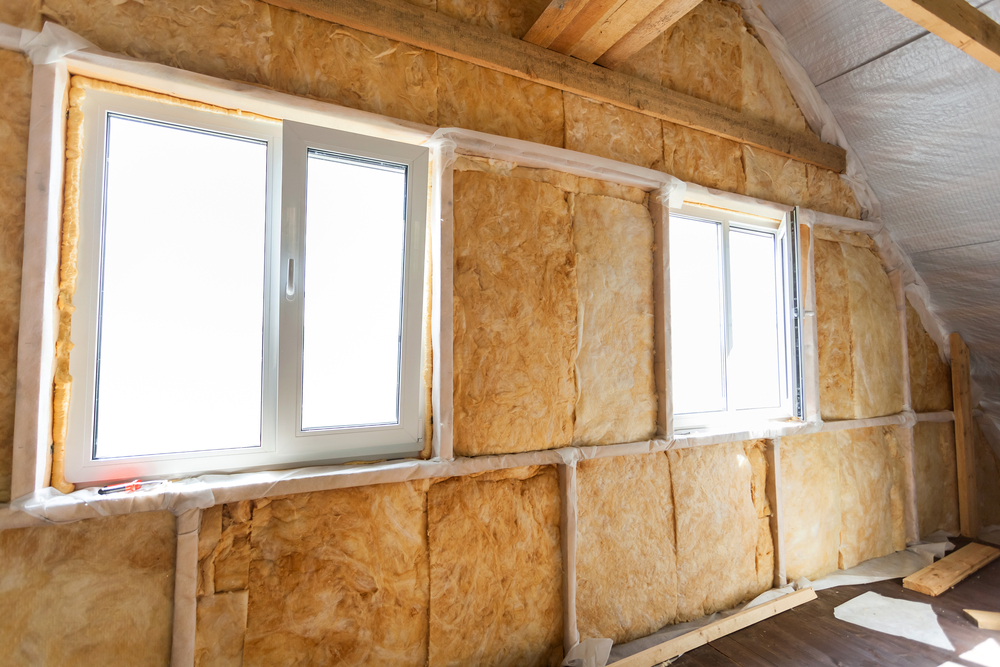
Insulation installation problems often appear as incomplete coverage, compressed material, gaps around framing, or sections that do not match the approved construction details. During new construction, these issues are best identified before drywall or other finishes conceal the insulated cavities.
Watch for:
-
Visible gaps between insulation and framing.
-
Insulation compressed behind pipes, wiring, or other building components.
-
Exterior wall cavities that are only partially filled.
-
Missing insulation around difficult framing transitions.
-
Uneven attic or ceiling coverage where continuous insulation is specified.
-
Insulation that has shifted or been disturbed by another trade.
-
Areas where the installed material does not appear to match the plans.
-
Penetrations or transitions that have not been addressed as required by the building-envelope design.
When Should a Builder Call an Insulation Professional?
A builder should involve an insulation professional before the insulation phase begins so materials, quantities, specifications, access, and scheduling can be reviewed before installation. Early coordination is particularly valuable when a project includes unusual framing, vaulted ceilings, conditioned attic spaces, garage transitions, or multiple insulation assemblies.
Homeowners acting as owner-builders should also avoid selecting insulation solely from a product label or a general online recommendation. The approved plans, energy documentation, assembly design, and local inspection requirements should guide the installation.
The City of Petaluma specifically encourages property owners to use appropriate construction professionals and complete plans when navigating building projects.
What Common Factors Determine the Right Insulation Approach?
The right insulation approach is determined primarily by the building assembly, energy plans, framing configuration, mechanical design, and required thermal performance. Local climate matters, but the correct system for a Petaluma project cannot be selected from climate alone.
Common factors include:
-
Approved energy specifications: The project documents establish the performance that the building envelope needs to achieve.
-
Framing depth and layout: Stud, joist, rafter, and truss configurations affect the available insulation space and installation method.
-
Attic and roof design: A traditional vented attic can require a different approach from a vaulted ceiling or another specialized roof assembly.
-
Mechanical system location: HVAC equipment and ducts located inside or outside conditioned space can influence the overall building-envelope strategy.
-
Trade coordination: Plumbing, electrical wiring, recessed components, blocking, and ductwork can complicate insulation coverage if trades are not coordinated.
How Can Builders Prevent Insulation Problems Before Inspection?
Builders can prevent insulation problems by scheduling the work after interfering rough-ins are substantially complete but before cavities become inaccessible. A visual review before the relevant inspection can catch obvious gaps, compression, missing sections, and damage caused by subsequent construction activity.
For Petaluma projects, useful steps include confirming the approved insulation specifications, keeping insulation protected from weather and jobsite damage, making sure cavities are accessible, and checking that other trades have completed work that could disturb the installation.
DIY review can help identify visible problems, but determining code compliance or changing an approved building-envelope design should be left to qualified project professionals and the appropriate building authorities.
What Results Should Homeowners Expect From Proper New-Construction Insulation?
Proper new-construction insulation should contribute to more consistent indoor temperatures, reduced heat transfer, and a building envelope that performs as intended by the project’s design. Homeowners may also notice fewer extreme temperature differences between rooms when the insulation, air sealing, HVAC system, windows, and ventilation strategy work together.
Insulation alone cannot correct every comfort or energy issue. Oversized or undersized HVAC equipment, air leakage, window performance, solar exposure, and duct design can all affect the finished home’s performance.
What Insulation Mistakes Should Petaluma Builders Avoid?
The most common insulation mistakes involve treating installation as an isolated task instead of part of the complete building envelope.
Mistake: Choosing insulation before reviewing the approved plans.
Consequence: The material or installation may not align with the project’s required assembly.
Better approach: Confirm the applicable specifications before ordering or installing materials.
Mistake: Compressing insulation around utilities.
Consequence: The assembly may not perform as intended.
Better approach: Install insulation carefully around wiring, plumbing, and other obstructions according to the applicable installation requirements.
Mistake: Allowing other trades to disturb completed insulation.
Consequence: Gaps can appear after an initially complete installation.
Better approach: Inspect insulated areas again before they are covered.
Mistake: Assuming every new home in Sonoma County needs the same system.
Consequence: The selected approach may not match the building design or energy model.
Better approach: Treat each project’s approved plans as the controlling reference.
What Is a Common New-Construction Insulation Scenario in Petaluma?
A common Petaluma scenario is a new residential project reaching the insulation stage after plumbing, electrical, and mechanical rough-ins have filled portions of the wall and ceiling cavities. The insulation contractor must work around those components while maintaining consistent coverage and following the project specifications.
This is not a case study of a specific Ace Insulation Inc. project. It illustrates why insulation coordination matters. Discovering access problems or incomplete cavities after drywall installation can turn a relatively straightforward construction step into additional corrective work.
What Insulation Services Support New Construction?
New-construction insulation services support builders by installing the specified insulation in accessible building-envelope areas before those assemblies are closed. Depending on the plans, this can include exterior walls, attics, ceilings, floors, and other designated areas.
We can review the insulation scope for a Petaluma construction project and discuss how the installation fits into the broader construction schedule.
How Should Builders Compare Their Insulation Options?
Builders should compare insulation options based on the approved assembly, required thermal performance, installation conditions, budget, and compatibility with the rest of the building design. Product type alone does not determine whether an insulation system is appropriate.
DIY installation may appear attractive for a small project, but new construction introduces plan requirements, trade coordination, inspection timing, and numerous framing details. Professional installation can be especially useful when the project contains complex cavities or when keeping the construction schedule moving is a priority.
Where Does Ace Insulation Inc. Provide New-Construction Insulation?
We serve insulation projects in Petaluma and can discuss work in surrounding Sonoma County communities based on project location and scope. Local projects may range from properties near central Petaluma and the Petaluma River to development toward Adobe Creek, Lakeville Highway, and other parts of the area.
What Can Happen If Insulation Planning Is Delayed?
Delaying insulation planning can create scheduling conflicts, material issues, inaccessible cavities, or last-minute questions about the approved energy specifications. On an active Petaluma jobsite, those complications can affect multiple trades if walls or ceilings cannot be closed on schedule.
The better approach is to review insulation requirements early, coordinate the installation window with other contractors, and resolve questions before the building reaches the closing stage.
Frequently Asked Questions About New-Construction Insulation
Does new construction in Petaluma have to meet California energy requirements?
Yes. New construction in Petaluma is subject to applicable California building and energy requirements as well as local permitting and inspection processes. For permit applications filed on or after January 1, 2026, the California Energy Commission states that the 2025 Energy Code applies. Always verify the requirements for the specific permit and project.
What R-value does my new Petaluma home need?
The required R-value depends on the specific building assembly and the project’s approved energy-compliance approach. There is not one R-value that should be assumed for every wall, attic, ceiling, or floor. Builders should follow the approved plans and energy documents rather than relying on specifications from another Petaluma project.
When should insulation be installed during new construction?
Insulation is generally installed after relevant rough plumbing, electrical, mechanical, and framing work is ready but before drywall or other finishes close the cavities. Exact sequencing depends on the project. Coordinating the timing carefully helps Petaluma builders avoid insulation being removed, compressed, or damaged by later trade work.
Does insulation help during Petaluma summers as well as winters?
Yes. Insulation slows heat transfer in both directions, helping reduce unwanted heat entering during warmer conditions and heat escaping during cooler weather. In Sonoma County’s variable seasonal climate, that makes insulation part of the home’s year-round comfort strategy rather than something that matters only during winter.
Who handles building inspections for projects inside Petaluma?
The City of Petaluma Building Division oversees local building construction and alteration projects, issues building permits, and performs inspections as part of its responsibility for code compliance. Builders should consult the city and their project professionals about the specific inspections and documentation required for their project.
Should insulation be installed before the HVAC system is designed?
No. Insulation and HVAC planning should be coordinated as parts of the same overall building-performance strategy. The thermal envelope affects heating and cooling loads, while duct and equipment locations can affect insulation details. Coordinating those systems during design is preferable to trying to make them work together late in construction.
Can homeowners choose a different insulation product after their Petaluma permit is approved?
A proposed change should be reviewed before installation because insulation can be part of the project’s approved energy-compliance documentation. California allows different compliance approaches, and changing one component may affect the larger design. Builders should confirm proposed substitutions with the appropriate design, energy, and permitting professionals before proceeding.
Is insulation installation quality as important as the insulation material?
Yes. Even an appropriate insulation product can perform poorly when cavities contain gaps, severe compression, missing sections, or other installation defects. Careful installation is particularly important around framing transitions, wiring, pipes, and other obstructions common in new construction.
Build Comfort Into the Home From the Start
New construction gives Petaluma builders and homeowners an opportunity to address insulation while every important part of the building envelope is still accessible. Planning early and installing the specified system carefully can help support comfort, energy performance, and a smoother path through the construction process.
Plan Your Petaluma Insulation Project Before the Walls Close
Getting the insulation scope organized early can reduce avoidable complications during one of the most important stages of new construction.