

Summers in Sacramento, CA, regularly push past 100 degrees Fahrenheit, and winters, while mild by national standards, still bring enough chill to drive up heating costs. Choosing the right insulation is one of the most impactful decisions a homeowner can make, and the debate between spray foam insulation and fiberglass insulation is one worth understanding before you invest.
This guide breaks down both options so Sacramento homeowners can make a confident, informed choice.
Understanding the Sacramento Climate and Why Insulation Matters
Sacramento sits in California’s Central Valley, a region defined by its hot, dry summers and cool, wet winters. This wide seasonal swing means your insulation needs to work hard in both directions, keeping heat out during July and August while retaining warmth during December and January. Poor insulation leads to overworked HVAC systems, high utility bills, and uncomfortable living spaces throughout the year.
The Sacramento climate also introduces concerns about moisture intrusion during the rainy season, as well as significant temperature differentials between interior and exterior spaces. These factors make insulation performance a genuine priority rather than an afterthought. Homeowners who upgrade their attic insulation in Sacramento often report noticeable drops in monthly energy costs, sometimes within the first billing cycle after installation.
When evaluating any insulation installation in Sacramento, CA, it helps to understand R-value, which is the measure of thermal resistance. The higher the R-value, the better the material resists heat transfer. Both spray foam insulation and fiberglass insulation offer R-value benefits, but they achieve them in very different ways and at very different price points.
What Is Spray Foam Insulation and How Does It Perform?
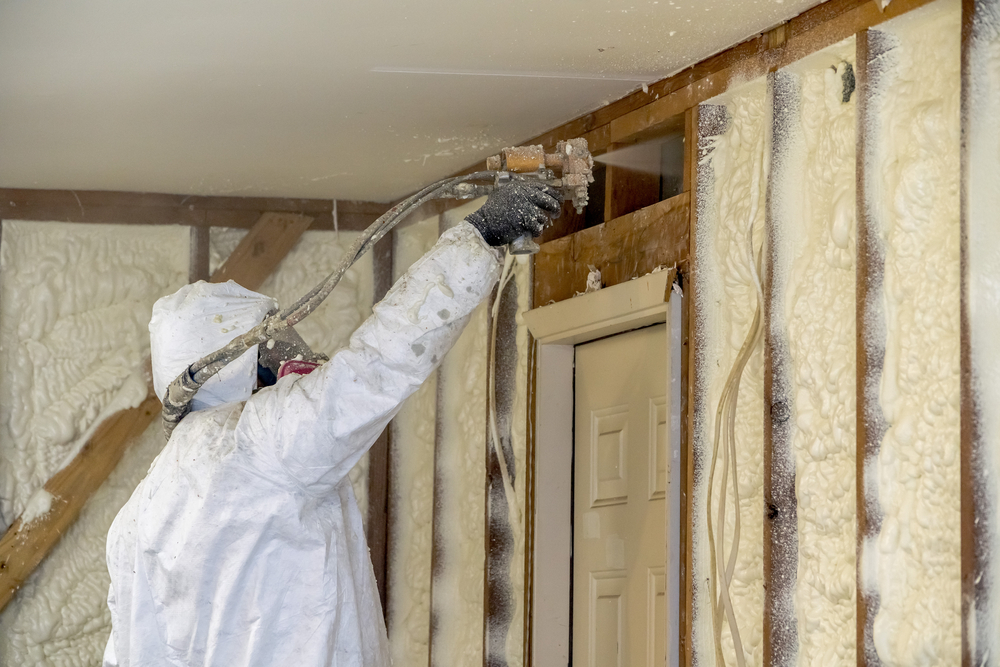
Spray foam insulation is a two-component liquid material that expands upon application, filling gaps, cracks, and cavities in walls, ceilings, and attic spaces. It comes in two primary varieties: open-cell and closed-cell. Closed-cell spray foam is the denser option, offering an R-value of approximately 6 to 7 per inch, while open-cell spray foam typically achieves around R-3.5 per inch.
One of the most significant advantages of spray foam insulation in Sacramento homes is its ability to act as both an insulator and an air barrier simultaneously. Because Sacramento summers generate intense radiant heat, especially in attic spaces, having a material that stops air infiltration along with thermal transfer can make a substantial difference in home comfort. Spray foam essentially seals the building envelope, which reduces the load on air conditioning systems.
Closed-cell spray foam also offers a degree of moisture resistance, which makes it useful in areas prone to condensation or minor water intrusion. For Sacramento homeowners dealing with older construction or irregularly shaped cavities in walls and attics, spray foam conforms to any space it is applied to, eliminating the voids and gaps that often compromise other insulation types.
The primary drawback of spray foam insulation is cost. It is significantly more expensive to install than fiberglass insulation, with professional installation running considerably higher per square foot. However, many homeowners in Sacramento, CA view this as a long-term investment that pays off through energy savings over the life of the home.
What Is Fiberglass Insulation and How Does It Perform?
Fiberglass insulation is one of the most widely used insulation materials in the United States, and it remains a popular choice for insulation installation in Sacramento due to its affordability and accessibility. It is made from fine glass fibers and is available in batts, rolls, or loose-fill form. Depending on thickness and density, fiberglass batts typically offer R-values ranging from R-11 to R-38 or higher, making them suitable for attic insulation applications across a wide range of home sizes and configurations.
For Sacramento homes, fiberglass insulation is often installed in attics, walls, and crawl spaces. The loose-fill variety is blown in using specialized equipment, which allows it to settle into irregular spaces more effectively than batt insulation. Blown-in fiberglass is a common choice for attic insulation in Sacramento because it can be added on top of existing insulation to boost R-value without a full replacement.
Cost is where fiberglass insulation truly shines. It is significantly more affordable than spray foam, both in terms of materials and labor. Homeowners on a tighter budget who still want meaningful energy improvements often find that fiberglass delivers a solid return without the premium price tag. For new construction or large retrofit projects, fiberglass batts can cover substantial square footage at a fraction of the cost of spray foam.
The downside of fiberglass is that it does not function as an air barrier. Air can still move through and around fiberglass insulation, which means that even a well-insulated wall or attic can lose efficiency if air sealing is not addressed separately. In Sacramento’s summer heat, air leakage can allow hot attic air to infiltrate conditioned spaces, undermining the performance of even high R-value fiberglass installations.
Attic Insulation Comparison for Sacramento Homes
When conducting an attic insulation comparison in Sacramento, the differences between these two products become most apparent. Attics in Central Valley homes are subjected to extreme heat gain during summer months. Roof surface temperatures can climb well above 150 degrees Fahrenheit on peak days, and without proper insulation, that heat radiates downward into living spaces and forces air conditioners to run continuously.
Spray foam insulation applied to the underside of the roof deck (called an unvented attic assembly) creates a conditioned attic space that dramatically reduces heat gain. Because the foam adheres directly to the roof structure and expands to fill all gaps, there is virtually no path for hot air to enter. This approach tends to produce the best results for Sacramento homes with HVAC equipment located in the attic, as the equipment itself is no longer exposed to extreme temperatures.
Fiberglass insulation, on the other hand, is installed at the attic floor (the ceiling of the living space below) in a traditional vented attic setup. This is the more common and affordable approach, and it works well when paired with proper attic ventilation. The goal is to maintain airflow through the attic to prevent heat buildup while the insulation below keeps conditioned air from escaping upward.
When it comes to determining the best insulation type for Sacramento attics, spray foam wins on performance metrics, while fiberglass wins on affordability. The right choice depends on your budget, the age of your home, and whether you have HVAC equipment in the attic that would benefit from a conditioned space.
Conclusion
Both spray foam insulation and fiberglass insulation offer meaningful benefits for Sacramento, CA homeowners, and neither is a one-size-fits-all solution. Spray foam delivers superior air sealing and thermal performance, making it an excellent long-term investment for homes where energy efficiency is the top priority. Fiberglass insulation provides reliable thermal resistance at a fraction of the cost, making it the practical choice for budget-conscious upgrades or large-scale projects. Understanding your home’s specific needs, your local Sacramento climate conditions, and your budget will guide you toward the best insulation type for your situation. Consulting with a qualified insulation installation professional in Sacramento is always a smart first step before committing to either material.
Need Insulation Near You?
Since 2001, Ace Insulation Inc. has been your premier insulation experts. We take pride in being locally owned and operated as well as offering high-quality service. We specialize in the installation of insulation. Whether you are building a new home or renovating your existing space, we are the place to call. We have many materials to choose from, including fiberglass and spray foam. If you are looking for high-quality work, call us today to schedule your next consultation!