
Insulating a commercial building is a significant investment that directly impacts energy efficiency, indoor air quality, and long-term maintenance costs. For contractors and developers working in regions like Northern California, especially cities such as Petaluma and Sacramento, the climate and building codes influence the insulation choice more than in many other areas. Among the most common materials used in commercial insulation are spray foam, fiberglass, and blown-in insulation. Each comes with its own set of advantages and drawbacks, and understanding these differences is critical for making informed decisions.
Understanding the Climate Demands of Northern California
Northern California experiences a unique blend of climate conditions that vary across its geography. Coastal areas like Petaluma are subject to more moderate temperatures with relatively high humidity levels. On the other hand, Sacramento, located inland, encounters hotter summers and cooler winters. These contrasting climate zones require tailored insulation solutions that perform well under thermal stress, minimize moisture intrusion, and support long-term energy efficiency.
Commercial properties in this region must also meet California’s stringent Title 24 energy efficiency standards, making insulation performance even more critical. The right insulation not only contributes to regulatory compliance but also helps businesses reduce operational costs in the long run. Before choosing between spray foam, fiberglass, or blown-in insulation, it is essential to factor in how these materials behave under regional conditions.
Spray Foam: High Performance with High Investment
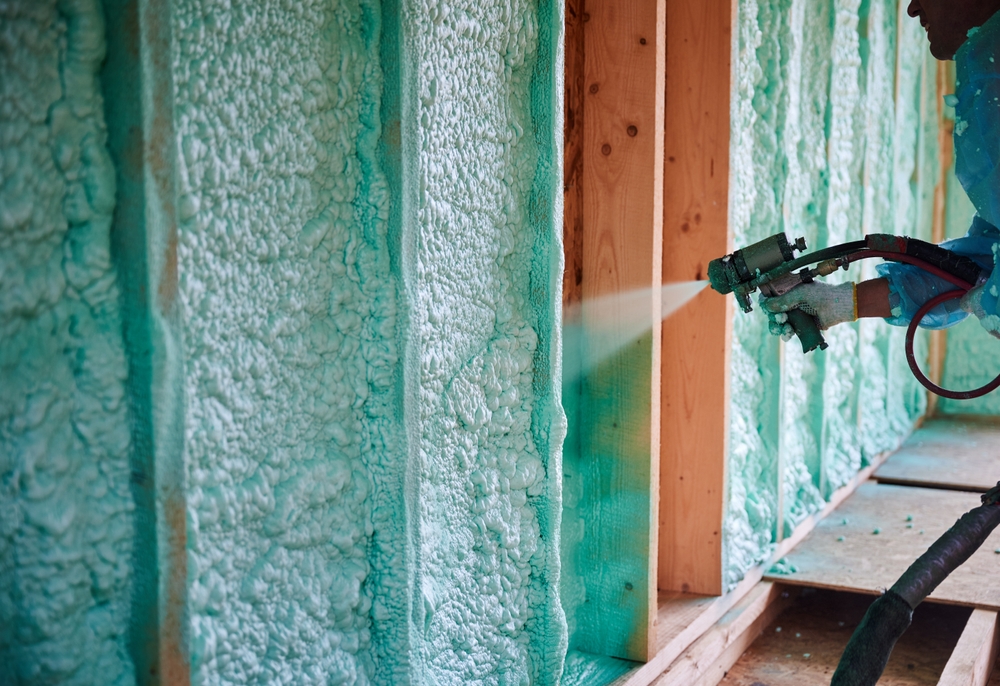
Spray foam insulation is often considered the premium choice due to its exceptional insulating properties and ability to seal gaps and cracks. It comes in two primary forms: open-cell and closed-cell. For commercial applications, closed-cell spray foam is typically favored because of its higher R-value per inch and moisture resistance.
In the Petaluma and Sacramento areas, where varying humidity and temperature shifts occur throughout the year, spray foam provides excellent thermal performance and air sealing. It prevents conditioned air from escaping and blocks outside air from infiltrating the building envelope. This air barrier quality is especially important for commercial facilities that prioritize indoor climate control, such as medical buildings, retail centers, and food storage units.
However, this level of performance comes at a cost. Spray foam is significantly more expensive upfront compared to fiberglass or blown-in insulation. Installation requires trained professionals and specialized equipment, which further adds to the expense. Despite this, the long-term energy savings and reduced maintenance can offset the initial investment, making spray foam an appealing choice for developers focused on sustainability and energy efficiency.
Fiberglass Insulation: Traditional, Cost-Effective, and Readily Available
Fiberglass insulation remains one of the most widely used insulation types in commercial construction. Its affordability and ease of installation make it attractive for projects with tight budgets or fast timelines. This material is typically installed in batts or rolls and is known for its resistance to fire and sound transmission.
For commercial buildings in Northern California, fiberglass is most effective in structures where walls and ceilings are designed to accommodate batt insulation during the initial build. In Sacramento, where summer heat can be intense, fiberglass helps delay heat transfer but lacks the sealing capability that spray foam offers. It is less effective at reducing air infiltration, which can lead to higher energy usage during peak seasons.
Petaluma’s slightly milder weather may make fiberglass a more acceptable option, especially in commercial applications where budget takes precedence over top-tier performance. However, it is essential to consider the risk of moisture accumulation. Fiberglass can trap moisture if not properly protected, leading to mold and deterioration. Using vapor barriers and ensuring proper ventilation can help mitigate these risks.
Blown-In Insulation: Flexible and Efficient for Retrofits
Blown-in insulation, made from cellulose or loose fiberglass, is another viable option for commercial applications, especially in retrofit projects. It is installed using pneumatic equipment that blows the insulation into cavities, attics, or hard-to-reach spaces, providing excellent coverage and a relatively tight thermal envelope.
This type of insulation works well in older commercial buildings in cities like Petaluma, where upgrading to modern insulation standards is often necessary. Blown-in insulation adapts to irregular spaces and can be added on top of existing materials, making it less invasive and more cost-effective for renovations. In areas like Sacramento, where cooling demands are high in the summer, blown-in insulation performs admirably in reducing energy loss through the roof and attic spaces.
Cellulose blown-in insulation is also environmentally friendly, as it is typically made from recycled paper products. However, it requires careful moisture management to prevent settling and mold. Loose fiberglass, while more moisture resistant, still has limitations in sealing air leaks compared to spray foam.
When considering blown-in vs fiberglass, the decision often comes down to the structure type and whether the building is new or being renovated. Blown-in insulation generally provides better coverage and thermal performance in older or oddly shaped commercial spaces. Fiberglass, on the other hand, is better suited for new construction with open cavities and standard framing.
Evaluating Your Commercial Insulation Needs
Choosing the right insulation material involves more than comparing R-values and prices. It requires a comprehensive evaluation of the building’s intended use, size, age, and location. In Petaluma and Sacramento, the differences in weather patterns and construction styles demand tailored solutions.
If the project involves a high-end commercial build with strict energy performance goals or involves sensitive equipment or inventory, spray foam offers unmatched insulation quality and air sealing. It is especially beneficial for facilities like tech hubs, data centers, or high-traffic office buildings that must maintain consistent temperatures year-round.
For developers focused on cost control or building out large-scale projects quickly, fiberglass remains a reliable option. It offers basic thermal protection and fire resistance at a lower cost, making it suitable for warehouses, general retail spaces, or light industrial facilities where climate control is less critical.
Blown-in insulation shines in retrofit scenarios and for improving thermal performance in existing buildings. It is also a suitable middle ground for budget-conscious developers who want better performance than fiberglass but cannot commit to the cost of spray foam.
The choice of insulation should also account for building codes, rebate programs, and environmental goals. Working with an experienced insulation contractor for builders ensures proper installation, code compliance, and long-term efficiency. Contractors in Northern California are well-versed in the local climate challenges and can recommend solutions that align with both budget and performance expectations.
Conclusion
Deciding between spray foam, fiberglass, and blown-in insulation for commercial projects in Northern California requires a balance between performance, cost, and application. Spray foam offers top-tier insulation and air sealing but demands a higher investment. Fiberglass provides a low-cost, straightforward solution best suited for new construction. Blown-in insulation presents a flexible and efficient option for retrofits or complex building shapes.
Ultimately, the right material depends on the specific requirements of the building and the goals of the developer. Whether working in coastal Petaluma or inland Sacramento, understanding how each insulation type responds to local conditions is key. Partnering with a knowledgeable insulation contractor for builders will ensure the project meets both energy efficiency standards and long-term operational needs. With careful planning and informed decision-making, commercial insulation can become a long-term asset rather than just a building requirement.
Need Insulation Near You?
Since 2001, Ace Insulation Inc. has been your premier insulation experts. We take pride in being locally owned and operated as well as offering high-quality service. We specialize in the installation of insulation. Whether you are building a new home or renovating your existing space, we are the place to call. We have many materials to choose from, including fiberglass and spray foam. If you are looking for high-quality work, call us today to schedule your next consultation!