

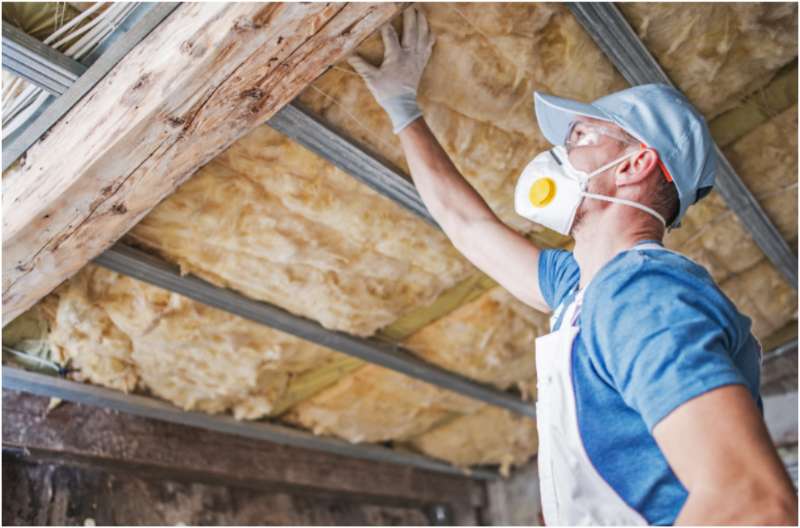
Owning a home in Northern California and Northern Nevada means dealing with a wide range of weather conditions throughout the year. Whether you live in the coastal cool of Petaluma, the sweltering summers of Sacramento, or the high-desert swings of Sparks, your insulation is working hard in every season. Yet most homeowners only think about insulation when something goes wrong, like a sky-high energy bill or a room that never seems to reach a comfortable temperature. A proactive home insulation maintenance checklist keeps small problems from turning into expensive repairs, and it helps your home stay efficient all year long.
The good news is that staying on top of your insulation does not require professional expertise for every step. With a little knowledge and a consistent seasonal routine, homeowners in all three regions can catch issues early, improve comfort, and reduce energy costs significantly.
Why Regional Climate Makes Seasonal Insulation Tips Essential
The climates of Petaluma, Sacramento, and Sparks are distinct enough that a one-size-fits-all approach to insulation simply does not work. Petaluma sits in a valley corridor with cool, foggy winters and moderate summers, which means moisture intrusion and condensation are frequent threats to insulation materials. Sacramento experiences triple-digit summer heat that pushes attic temperatures to extreme levels, making radiant barriers and proper attic ventilation critical components of insulation performance for homeowners. Sparks, located just east of Reno in the high desert, faces dramatic temperature swings, with freezing winters and hot summers that stress insulation at both ends of the thermometer.
Understanding your local climate is the first step toward building an effective home insulation maintenance checklist. Each season brings a different set of challenges, and your inspection routine should reflect the specific demands of where you live.
Spring: Prepare for Heat and Check for Winter Damage
Spring is the ideal time to assess any damage that winter weather may have caused. In Sparks, heavy snowfall and freeze-thaw cycles can compress or shift insulation in attics and crawl spaces. In Petaluma and Sacramento, winter rains can lead to moisture infiltration that degrades insulation over time.
Start your spring checklist by walking through your attic during daylight hours. Look for daylight coming through the roof boards, which signals gaps where heat and conditioned air can escape. Check for signs of moisture, including water stains, rust on metal fasteners, or a musty odor. Wet insulation loses its ability to resist heat transfer and must be replaced promptly.
Next, inspect your crawl space if your home has one. Ground moisture in Northern California is especially problematic in late winter and early spring. A vapor barrier in good condition is essential for protecting the insulation above it. Check for torn or missing sections and ensure the barrier laps up the foundation walls at least six inches.
Spring is also the right time to air-seal any gaps you discover. Use spray foam or caulk to seal around pipes, wires, and ducts that penetrate insulated surfaces. Every gap you close reduces the burden on your HVAC system before the hot months arrive.
Summer: Focus on the Sparks Attic Inspection Guide and Attic Performance
Summer is when insulation performance homeowners care most about becomes obvious. A poorly insulated attic can become a furnace that radiates heat downward into your living space, forcing your air conditioner to run constantly. This is especially true in Sacramento, where summer temperatures regularly exceed 100 degrees Fahrenheit, and in Sparks, where afternoon heat can be intense and dry.
Your summer checklist should center on the attic. Begin with a thorough Sparks attic inspection guide approach, which applies equally well to Sacramento and Petaluma: check your attic insulation depth and compare it to the recommended R-value for your climate zone. Homes in Sacramento and Sparks generally benefit from R-38 to R-60 in the attic, depending on the construction era and existing insulation type.
While in the attic, verify that soffit and ridge vents are unobstructed. Proper airflow through the attic reduces heat buildup and protects your roof from moisture damage in cooler months. If insulation has been blown or placed too close to the eave vents, install baffles to maintain airflow.
Check your ductwork as well. Ducts running through unconditioned attic space are a major source of energy loss. Look for gaps at connections and consider adding duct insulation wrap where sections are exposed. This single step can noticeably improve cooling efficiency and is one of the most impactful seasonal insulation tips for Sacramento homeowners.
Fall: Seal and Fortify Before Cold Weather Arrives
Fall is preparation season. Temperatures drop quickly in Sparks and, to a lesser degree, in Sacramento and Petaluma, and any gaps in your building envelope will become painfully apparent once heating season begins. A thorough fall inspection is your best defense against high winter energy bills.
Walk the perimeter of your home and look for gaps around windows and doors. Check weatherstripping and replace any sections that are compressed, torn, or missing. Pay special attention to door bottoms and sliding glass doors, which are common sources of drafts.
Inside the home, check outlet covers and switch plates on exterior walls. These small openings are often overlooked but can allow significant amounts of cold air to enter. Foam gaskets installed behind outlet covers are inexpensive and easy to install.
In the attic, make sure your insulation is evenly distributed and has not shifted since your spring inspection. Petaluma homeowners should pay particular attention to any areas near roof penetrations or valleys where moisture may have infiltrated during the rainy season. Adding blown-in insulation to thin or uneven areas is a worthwhile fall investment before heating costs climb.
Winter: Monitor Performance and Address Problem Spots
Winter is the season for monitoring rather than major projects, but it is still an important part of your year-round home insulation maintenance checklist. Cold weather reveals weaknesses that warmer months can hide, and catching a problem in January is far better than discovering structural damage in the spring.
Pay attention to ice dams if your Sparks home has a pitched roof. Ice dams form when heat escaping through the roof melts snow, which then refreezes at the eaves. This is a sign that your attic insulation and ventilation need improvement. While ice dams are rare in Petaluma and Sacramento, homeowners there should watch for condensation on windows and walls, which can indicate that warm interior air is hitting cold surfaces due to insufficient insulation.
During winter, check your heating bills against the same period in prior years. A significant increase in costs without a corresponding change in usage habits often points to insulation degradation. If rooms feel cold near exterior walls or floors, that is another indicator worth investigating.
Keep an eye on crawl space venting as well. Some homeowners close crawl space vents in winter to retain heat, but this can trap moisture. Consult with a local insulation professional about the best approach for your specific home type and foundation design.
Conclusion
A consistent seasonal routine is the foundation of strong insulation performance homeowners across Petaluma, Sacramento, and Sparks rely on to stay comfortable and efficient. By following this home insulation maintenance checklist through every season, you protect your investment, reduce your energy costs, and ensure your home handles whatever the Northern California and Northern Nevada climate throws at it. Seasonal insulation tips are not just about comfort; they are about maintaining the long-term health and value of your home. Start with one season at a time, work through each inspection systematically, and do not hesitate to bring in a qualified insulation contractor when a problem is beyond a simple DIY fix. The effort you invest in your insulation today pays dividends in comfort and savings for years to come.
Need Insulation Near You?
Since 2001, Ace Insulation Inc. has been your premier insulation experts. We take pride in being locally owned and operated as well as offering high-quality service. We specialize in the installation of insulation. Whether you are building a new home or renovating your existing space, we are the place to call. We have many materials to choose from, including fiberglass and spray foam. If you are looking for high-quality work, call us today to schedule your next consultation!