
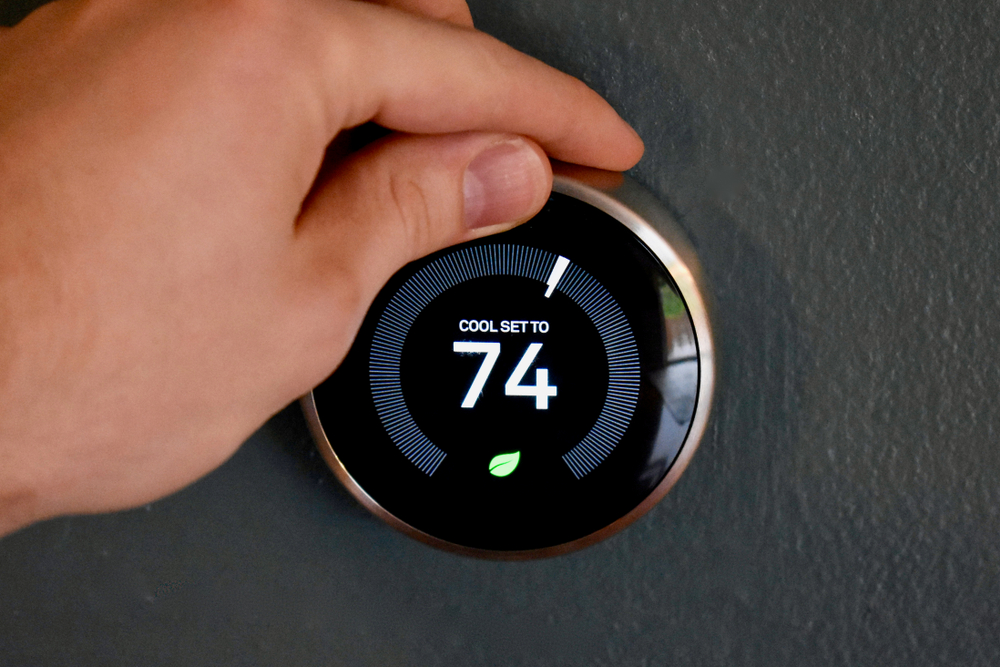
Upgrading to a smart thermostat is often marketed as a quick fix for high energy bills, especially during the winter months. Homeowners across the country, particularly in Nevada, are turning to smart home tech with the hope of slashing utility costs and increasing comfort. However, this strategy may be missing the mark. Before investing in high-tech gadgets or even replacing an entire HVAC system, it is essential to consider the core issue: how well your home retains heat in the first place.
In many cases, what seems like a problem with the HVAC system is actually rooted in poor insulation. If your home is “leaky,” meaning it allows indoor air to escape and outdoor air to infiltrate, your heating and cooling systems are working harder than they should. This reduces their efficiency, shortens their lifespan, and leads to higher energy bills. Let’s take a closer look at why insulation, particularly spray foam insulation, is a critical first step before making HVAC upgrades, and how this choice can bring you significant heating cost savings.
Why a Smart Thermostat Alone Isn’t Enough
Smart thermostats can help optimize how and when your HVAC system operates. They learn your habits, adjust settings based on weather forecasts, and even allow you to control temperature remotely. While they are effective tools for managing energy consumption, their ability to deliver savings is limited if the building envelope of your home is inefficient.
In a poorly insulated home, warm air generated by your heater seeps out through gaps in the attic, walls, or crawl spaces, and cold air creeps in. No matter how smart your thermostat is, it cannot change the laws of thermodynamics. The result is an HVAC system that runs more frequently and longer than necessary, leading to increased wear and higher utility bills. This is particularly problematic in climates with extreme temperature swings, such as Nevada, where winters can be chilly and summers scorching.
Without effective insulation to seal the house, even the most advanced thermostat becomes little more than a Band-Aid on a much deeper issue.
The True Value of Spray Foam Insulation
When it comes to effective insulation, spray foam insulation stands out as one of the most efficient solutions available. Unlike traditional fiberglass or cellulose insulation, spray foam expands on contact, filling in small cracks and hard-to-reach areas that other materials often miss. This characteristic makes it especially valuable for homes with complex architecture or those undergoing retrofits.
Spray foam insulation creates an air seal that significantly reduces air leakage, which is one of the primary culprits behind high heating and cooling costs. In the winter, it keeps the warm air in and the cold air out, resulting in noticeable energy savings from spray foam almost immediately. This effect is amplified in drafty, older homes that were not built with energy efficiency in mind.
In regions like Nevada, spray foam insulation offers dual benefits. During cold desert nights, it helps retain heat, providing comfort and reducing heating bills. During the sweltering summer months, it keeps conditioned air inside, easing the burden on your air conditioner. This year-round performance is why many experts recommend a winter insulation upgrade as a foundational home improvement.
Heating Cost Savings Begin with Sealing the Envelope
Many homeowners mistakenly prioritize furnace or air conditioner upgrades before addressing the insulation issue. While newer HVAC units are more efficient, their benefits can be negated if your home’s thermal envelope is compromised. Simply put, you are paying to heat or cool the outdoors.
The Department of Energy estimates that air leakage and insufficient insulation are responsible for 25 to 40 percent of energy used for heating and cooling in the average home. By investing in spray foam insulation, you can eliminate much of this waste. The upfront cost may be higher than traditional materials, but the return on investment is substantial when factoring in heating cost savings and reduced HVAC maintenance over time.
Spray foam insulation not only improves thermal performance but also enhances indoor air quality by sealing out allergens, pollutants, and moisture. This makes your home healthier in addition to being more energy-efficient. In Nevada, spray foam insulation also provides an added layer of soundproofing, useful for homes near busy roads or urban areas.
Winter Insulation Upgrade: A Smart Seasonal Strategy
Winter presents the ideal opportunity to assess your home’s insulation and make meaningful improvements. Cold weather can quickly expose weak points in your home’s thermal defenses. If you find that some rooms are consistently colder than others, or if your heating bills are unexpectedly high despite moderate thermostat settings, these are signs that insulation is lacking.
A winter insulation upgrade using spray foam not only prepares your home for the remainder of the cold season but also sets the stage for better energy efficiency all year long. Spray foam can be applied in attics, basements, walls, and crawl spaces with minimal disruption, and the impact is immediate. Your HVAC system will not have to work as hard to maintain a comfortable indoor environment, which extends its lifespan and reduces repair costs.
This proactive approach is particularly relevant for Nevada homeowners, where winter nights can be surprisingly frigid despite the state’s reputation for heat. A targeted insulation upgrade ensures you are not wasting money heating a house that leaks like a sieve.
Choosing Energy Efficiency Over Gimmicks
The marketplace is flooded with smart home products promising easy energy savings. While these tools have their place, they should not be the first step in your energy efficiency journey. The effectiveness of smart thermostats and high-efficiency HVAC systems is limited if the rest of your home is not equipped to retain the energy they produce.
Spray foam insulation is a proven solution with decades of performance behind it. It directly addresses the root cause of energy loss and inefficiency. Instead of repeatedly adjusting your thermostat or cycling through HVAC upgrades every few years, insulation offers a long-term fix. Energy savings from spray foam are not hypothetical; they are measurable and sustainable.
For homeowners in Nevada and similar climates, the combination of insulation and smart HVAC technology can be powerful. But it is essential to address them in the right order. First, seal the leaks. Then, let your HVAC system and smart thermostat operate in an environment where they can truly shine.
Conclusion
Investing in a smart thermostat may seem like a modern, tech-savvy way to reduce energy bills, but it cannot perform miracles. If your home lacks proper insulation, particularly spray foam insulation, you are losing valuable heat in winter and cool air in summer. This leads to overworked HVAC systems, high utility costs, and diminished comfort.
By starting with insulation, especially during the winter when energy consumption spikes, you lay the groundwork for meaningful heating cost savings. A well-insulated home not only enhances comfort but also maximizes the performance of every other energy-saving upgrade you make. In Nevada, spray foam insulation is more than just a good idea; it is a smart investment for a smarter, more efficient home.
Need Insulation Near You?
Since 2001, Ace Insulation Inc. has been your premier insulation experts. We take pride in being locally owned and operated as well as offering high-quality service. We specialize in the installation of insulation. Whether you are building a new home or renovating your existing space, we are the place to call. We have many materials to choose from, including fiberglass and spray foam. If you are looking for high-quality work, call us today to schedule your next consultation!