
Homeowners often think of insulation only in terms of energy savings or comfort, especially in colder seasons. While these are crucial aspects, insulation serves more than just an efficiency function. When your home’s insulation is compromised by pests or water damage, it becomes more than just a matter of performance. It turns into a health, safety, and long-term financial concern. Understanding when to replace insulation after such damage can prevent further deterioration and even structural issues. In regions like Nevada, spray foam insulation has grown in popularity, not only for its excellent sealing properties but also for its resilience. Still, even this high-performing solution can become ineffective under certain conditions.
The Hidden Costs of Pest-Compromised Insulation
Pest infestations bring more than just the visible nuisance of droppings, chewed wires, or foul smells. When rodents, insects, or other wildlife infiltrate attic or wall cavities, the damage they do to insulation can be both extensive and hard to detect at first. Rodents often tunnel through insulation, reducing its thermal efficiency. Their urine and droppings not only degrade the material but also pose serious health hazards, especially when particles become airborne and circulate through HVAC systems.
In traditional fiberglass insulation, pests find easy access and nesting opportunities. The compromised material begins to settle unevenly, creating gaps in thermal protection. This leads to increased heating costs during colder months, as your HVAC system works harder to compensate. Replacing damaged insulation after pest infestations is critical, especially if you’re pursuing long-term heating cost savings and indoor air quality.
While Nevada spray foam insulation offers a more pest-resistant structure due to its density and sealing capacity, no solution is entirely immune. If pests manage to penetrate or nest near the insulation, they may still degrade its performance over time. Once infestation is confirmed and pest control has addressed the root of the problem, it’s essential to inspect and assess whether the insulation has been compromised and should be removed.
Water Damage: A Silent Threat to Insulation Integrity
Water and insulation are a dangerous mix. Moisture intrusion from roof leaks, pipe bursts, or even high humidity can render insulation materials ineffective. In older homes, where fiberglass or cellulose insulation is prevalent, saturation from water flattens the material, destroying its ability to trap air and retain heat. Mold is another severe consequence, and once it sets in, insulation becomes not only useless but dangerous to health.
Spray foam insulation has the upper hand here, particularly closed-cell variants. It repels water and prevents moisture absorption, making it highly effective in damp environments. However, water damage around spray foam insulation, such as soaked studs or sheathing, can still result in hidden mold growth or structural rot. Therefore, even if the foam itself seems intact, surrounding materials may require replacement, and comprehensive moisture assessments are critical.
In homes impacted by water events, replacing insulation is not just about performance recovery. It’s about ensuring the building envelope remains dry, healthy, and safe. Restoration professionals often emphasize that drying and dehumidifying are only part of the solution. Replacing water-damaged insulation ensures you don’t trap moisture inside the wall cavity, which could lead to future complications.
Recognizing the Need for Replacement
The signs that your insulation needs replacement after pest or water damage might not always be obvious. In some cases, odors linger despite pest removal, or energy bills begin to climb without an apparent reason. In others, a winter inspection might reveal cold spots in certain rooms, prompting concerns about insulation gaps.
If you’ve recently dealt with pest infestations or water leaks, it’s wise to schedule a professional inspection. Experts use infrared thermography, moisture meters, and even small cameras to assess areas behind walls and ceilings. These tools can detect irregular temperatures or wet spots that indicate damaged insulation.
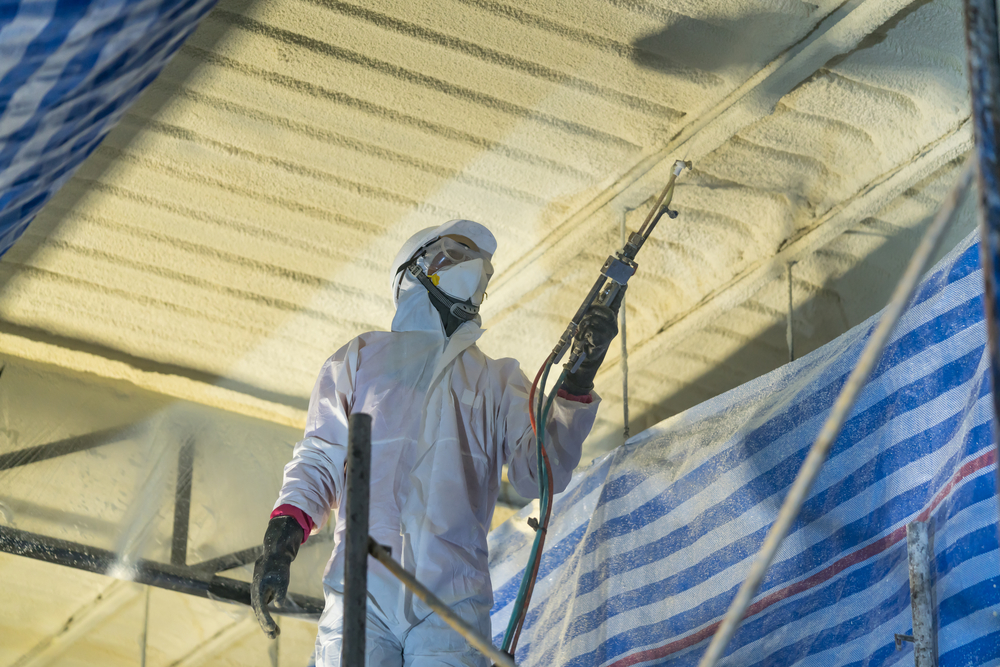
In Nevada, spray foam insulation is often chosen during home repairs or retrofits because of its long-term durability and ability to fully seal gaps and cracks. If your current insulation has suffered from contamination or degradation, replacing it with spray foam can provide both immediate and future benefits. Besides preventing air leakage, it acts as a barrier to allergens and contaminants, offering healthier indoor air quality.
The Value of Upgrading During Repairs
There’s a silver lining to insulation damage: the opportunity to upgrade. If your home has sustained pest or water damage and you’re already considering repairs, it’s the perfect moment to evaluate whether your current insulation is up to today’s standards. Many homeowners delay insulation upgrades due to cost or inconvenience, but when part of your insulation is already compromised, the cost-benefit balance shifts in favor of full replacement.
Choosing a winter insulation upgrade with spray foam is particularly strategic. As temperatures drop, having a tight building envelope becomes more crucial for comfort and energy savings. Upgrading not only helps recover from damage but also future-proofs your home from similar issues. Spray foam’s air-sealing characteristics block pest entry points and prevent air infiltration, making it a dual-purpose investment.
Energy savings from spray foam can be significant over time. In addition to keeping your home warmer in winter, it minimizes the workload on your HVAC system, extending its life and reducing maintenance needs. And while the initial installation cost is higher than that of fiberglass or cellulose, the return on investment through heating cost savings and resilience to future damage justifies the upgrade.
Making the Right Choice for Your Home
Deciding whether to replace insulation after pest or water damage involves more than just patching up what’s visible. It calls for a thorough assessment of your home’s envelope and a long-term view of indoor air quality, structural health, and energy efficiency. If you live in a climate with wide seasonal shifts, like Nevada, spray foam insulation delivers exceptional year-round performance and added protection against both pests and moisture.
It’s essential to work with licensed contractors familiar with your local climate and building codes. Not all insulation types are suited for all regions. Nevada homes, in particular, benefit from insulation that performs well in both summer and winter, making spray foam a compelling choice. An experienced contractor can also ensure proper removal and disposal of old, contaminated materials, minimizing health risks during the process.
Whether you’re reacting to damage or planning proactively, investing in better insulation pays off. From reducing energy bills to improving comfort and health, the right insulation choice can have a profound effect on your home’s performance.
Conclusion
Insulation is more than just a thermal barrier. It’s a critical component of your home’s comfort, safety, and efficiency. When pests or water compromise its integrity, it becomes essential to act swiftly. Ignoring contaminated or damaged insulation can lead to rising energy bills, poor indoor air quality, and even long-term structural damage.
Fortunately, this challenge also presents a chance to improve. By replacing damaged materials with high-performance options like spray foam insulation, you not only fix the problem but also invest in lasting energy savings and resilience. In states like Nevada, where seasonal extremes test the limits of your home’s envelope, a winter insulation upgrade using spray foam can yield immediate and long-term rewards.
Take the time to inspect, evaluate, and upgrade if needed. The benefits will be tangible in your heating cost savings, improved comfort, and peace of mind knowing your home is protected against future intrusions and damage.
Need Insulation Near You?
Since 2001, Ace Insulation Inc. has been your premier insulation experts. We take pride in being locally owned and operated as well as offering high-quality service. We specialize in the installation of insulation. Whether you are building a new home or renovating your existing space, we are the place to call. We have many materials to choose from, including fiberglass and spray foam. If you are looking for high-quality work, call us today to schedule your next consultation!