
When winter approaches, many homeowners in California and Nevada start thinking seriously about energy efficiency and indoor comfort. While both states enjoy relatively mild climates compared to much of the country, winter nights can still be chilly, especially in desert regions and mountainous areas. If you’re looking for ways to cut down on utility bills while increasing the comfort of your home, a winter insulation upgrade can be one of the most strategic investments. Among the many options available, spray foam insulation has gained attention for delivering strong heating cost savings and long-term returns.
Installing spray foam insulation in December can have immediate and measurable benefits. From reducing energy waste to increasing home value, understanding the estimated return on investment (ROI) helps make the case for upgrading your insulation right before or during the cold season. Let’s explore the real numbers behind spray foam ROI and why it makes sense for homeowners in both California and Nevada.
Why Timing Matters: December Installation and Winter Heating Needs
Timing your insulation upgrade for December is not just a matter of convenience; it’s a tactical decision that can immediately impact your energy bills. Homes that undergo insulation improvements before the peak of winter can begin reaping energy savings from spray foam almost instantly. As heating systems work overtime during the colder months, any gaps in insulation become more noticeable. Warm air escapes through walls, ceilings, and attics, forcing your HVAC system to consume more energy to maintain comfortable indoor temperatures.
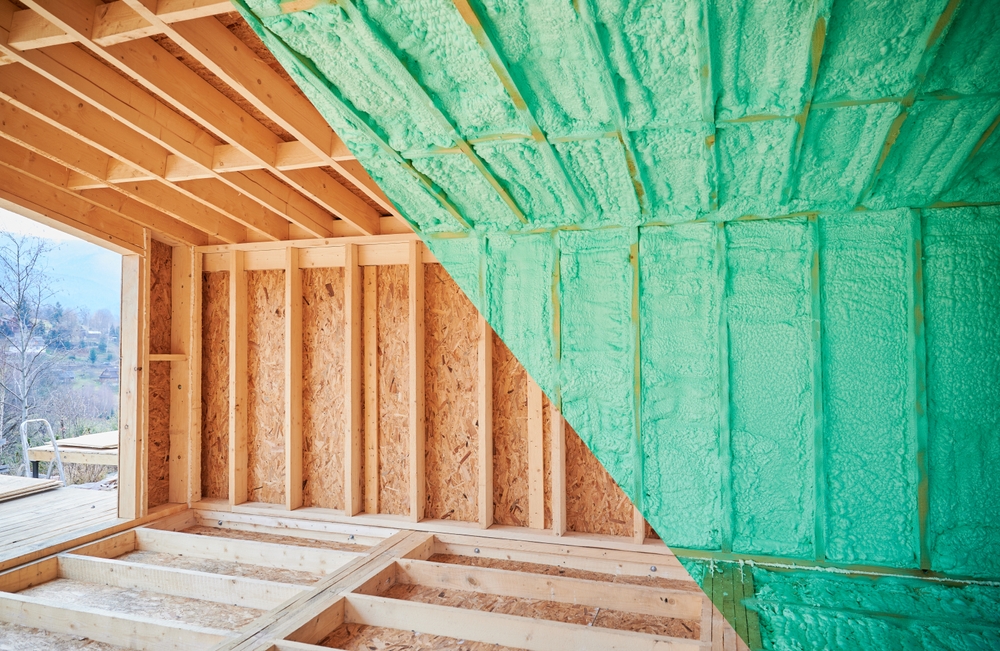
Spray foam insulation works by expanding to seal gaps and cracks, forming an airtight barrier that stops heat from leaking out. This helps your home retain warmth, leading to lower heating bills. The energy savings from spray foam can be noticeable within the first full billing cycle after installation, especially in older homes with insufficient existing insulation. In California, insulation cost recovery tends to happen faster in colder mountain regions like Lake Tahoe or Big Bear, where the difference between outdoor and indoor temperatures can be dramatic. In Nevada, spray foam insulation proves particularly valuable in places like Reno and Elko, where winters are much harsher than in Las Vegas.
Calculating the ROI: How Spray Foam Pays for Itself
When calculating the spray foam ROI, several factors come into play: upfront installation cost, local climate conditions, heating system efficiency, and the size and age of the home. In general, the initial cost of spray foam is higher than traditional insulation types like fiberglass, but the long-term savings and additional benefits often justify the investment.
In California, insulation cost estimates for spray foam installation average between $1.50 and $3.50 per square foot, depending on whether it’s applied in attics, walls, or crawl spaces. For a typical 2,000-square-foot home, this could range from $3,000 to $7,000. Nevada’s pricing is comparable, although slightly lower in rural areas. However, the energy savings from spray foam often offset a large portion of this cost within the first few years.
National studies suggest that spray foam insulation can reduce heating and cooling bills by 15% to 30% annually. In colder parts of Nevada, this translates to $500 to $1,200 per year in savings. California homeowners in colder zones can expect similar numbers. This means the average spray foam ROI timeline can be as short as 3 to 5 years, depending on energy rates and household usage. When you factor in increased property value, fewer HVAC repairs, and better indoor air quality, the return becomes even more compelling.
Regional Benefits: How California and Nevada Compare
Though neighbors on the map, California and Nevada present different climates, building codes, and homeowner priorities. These regional differences affect both the energy savings from spray foam and the perceived value of a winter insulation upgrade.
California’s building regulations emphasize energy efficiency, especially under the Title 24 energy code. In cities like Sacramento and Fresno, where winters are chilly but not extreme, the benefits of spray foam lie more in year-round energy savings than winter-specific gains. Still, upgrading in December means homeowners can see heating cost savings sooner and qualify for seasonal incentives or rebates. In mountain regions and areas with higher elevation, like Truckee or South Lake Tahoe, winter performance is critical. Spray foam helps prevent ice damming and keeps internal temperatures stable despite freezing outdoor conditions.
Nevada, with its high-desert climate, has a more pronounced heating season than many people expect. Cities like Reno experience subfreezing temperatures and significant snowfall, making winter insulation upgrades highly valuable. Spray foam insulation is increasingly popular in these areas, thanks to its superior thermal resistance and air-sealing properties. Even in southern parts of Nevada, where winters are milder, homeowners are turning to spray foam to optimize overall energy efficiency. The added benefit of moisture resistance makes it attractive in places where humidity fluctuates between seasons.
Long-Term Value Beyond the First Winter
While the most immediate benefit of spray foam insulation installed in December is heating cost savings, the long-term value extends well beyond winter. Unlike traditional insulation that may degrade or shift over time, spray foam maintains its integrity for decades. It acts as both an insulator and an air barrier, reducing the need for HVAC maintenance and improving indoor comfort year-round.
California homeowners may also see added value in increased home resale price. Energy-efficient features are a major selling point in markets like San Diego, San Jose, and the East Bay. A well-insulated home often receives higher appraisal values and sells faster than comparable homes without modern upgrades. For Nevada homeowners, spray foam adds appeal in areas with extreme temperature swings, especially for buyers looking for move-in-ready homes with low energy overhead.
Another long-term benefit is improved indoor air quality. Spray foam reduces the infiltration of outdoor pollutants, allergens, and pests. In regions with seasonal wildfires, such as parts of Northern California, this barrier can help maintain healthier indoor environments, further justifying the cost of the upgrade.
Environmental and Incentive-Based Returns
Both California and Nevada are investing heavily in energy conservation programs, and that translates to direct benefits for homeowners. State and utility-based incentives can improve spray foam ROI by lowering installation costs or offering tax credits for efficiency improvements.
In California, insulation cost incentives are often tied to programs from the California Energy Commission and local utility providers like PG&E and Southern California Edison. These programs may include rebates for weatherization upgrades, energy audits, and peak energy reductions. Nevada Energy offers similar programs, especially for customers who pair insulation upgrades with smart thermostats or other energy-efficient appliances.
There is also the broader environmental impact to consider. Spray foam reduces overall carbon emissions by lowering energy consumption. For environmentally conscious homeowners, the knowledge that they’re reducing their footprint while also enjoying lower utility bills adds a sense of ethical return on investment.
Conclusion
Spray foam insulation installed in December can be one of the smartest energy-saving decisions a homeowner makes in California or Nevada. The combination of immediate heating cost savings, long-term energy efficiency, and increased property value creates a strong case for this winter insulation upgrade. Although the initial investment may be higher than other forms of insulation, the payoff is both measurable and meaningful.
From sealing thermal gaps to lowering monthly bills and qualifying for regional incentives, spray foam delivers tangible returns that begin right away and last for years. Whether you’re in the frosty mountain towns of Nevada or the cool valleys of Northern California, improving your home’s insulation before the heart of winter ensures you stay warm, save money, and build equity all at once. For homeowners seeking both comfort and cost-effectiveness, the energy savings from spray foam and the strong spray foam ROI are too significant to ignore.
Need Insulation Near You?
Since 2001, Ace Insulation Inc. has been your premier insulation experts. We take pride in being locally owned and operated as well as offering high-quality service. We specialize in the installation of insulation. Whether you are building a new home or renovating your existing space, we are the place to call. We have many materials to choose from, including fiberglass and spray foam. If you are looking for high-quality work, call us today to schedule your next consultation!