
When winter approaches, homeowners along the California coast and in Nevada begin to look for effective ways to stay warm while keeping energy bills manageable. One of the most reliable solutions is improving your home’s insulation. Two of the most popular types are blown-in insulation and spray foam insulation. Each has its own set of advantages and limitations, and their performance can vary based on regional climate. This guide provides a thorough insulation comparison focused on how each option performs for California coast and Nevada home insulation needs, helping you choose the best insulation for winter upgrades.
Climate and Environmental Considerations
Understanding the environmental conditions of the California coast and Nevada is essential to determining the right type of insulation. The California coast typically enjoys mild winters, with relatively stable temperatures, high humidity, and minimal snowfall. On the other hand, Nevada experiences more extreme temperature fluctuations, with cold desert nights, dry air, and higher heating demands during the winter.
Because these two regions differ in their climate conditions, the type of insulation that works best for one area may not be suitable for the other. Homes along the coast may need insulation that deals well with moisture, while homes in Nevada require solutions that prioritize air sealing and thermal resistance. Choosing between spray foam insulation and blown-in insulation depends largely on how well each handles the unique demands of these locations.
Benefits and Challenges of Blown-In Insulation
Blown-in insulation is made from loose-fill materials, typically fiberglass or cellulose, and is applied using a blower machine to fill attics, walls, and other cavities. This type of insulation works particularly well for older homes or retrofit projects where access to wall cavities is limited. It settles into place easily and conforms around obstacles like wiring and piping.
For homes along the California coast, blown-in insulation can be a cost-effective and efficient choice. It offers decent thermal resistance for areas that do not experience severe cold and helps control sound, which is a useful bonus in coastal communities affected by wind and ocean noise. Installation is relatively fast and non-invasive, making it ideal for homeowners looking to upgrade without undergoing major renovations.
However, blown-in insulation has some limitations. Over time, it may settle and lose some of its insulating properties. It also does not offer a complete air seal, which means drafts may still occur in homes exposed to strong coastal winds or those built with older construction techniques. In humid environments, such as the California coast, blown-in insulation must be paired with proper ventilation to prevent moisture buildup, which can lead to mold or mildew over time.
In Nevada, blown-in insulation can still be beneficial, especially when budget constraints are a concern. But in homes with higher heating needs, the lack of airtight sealing may limit its overall effectiveness. When compared to spray foam insulation, blown-in materials offer less control over indoor temperature consistency in colder, drier climates.
The Advantages of Spray Foam Insulation in Winter Conditions
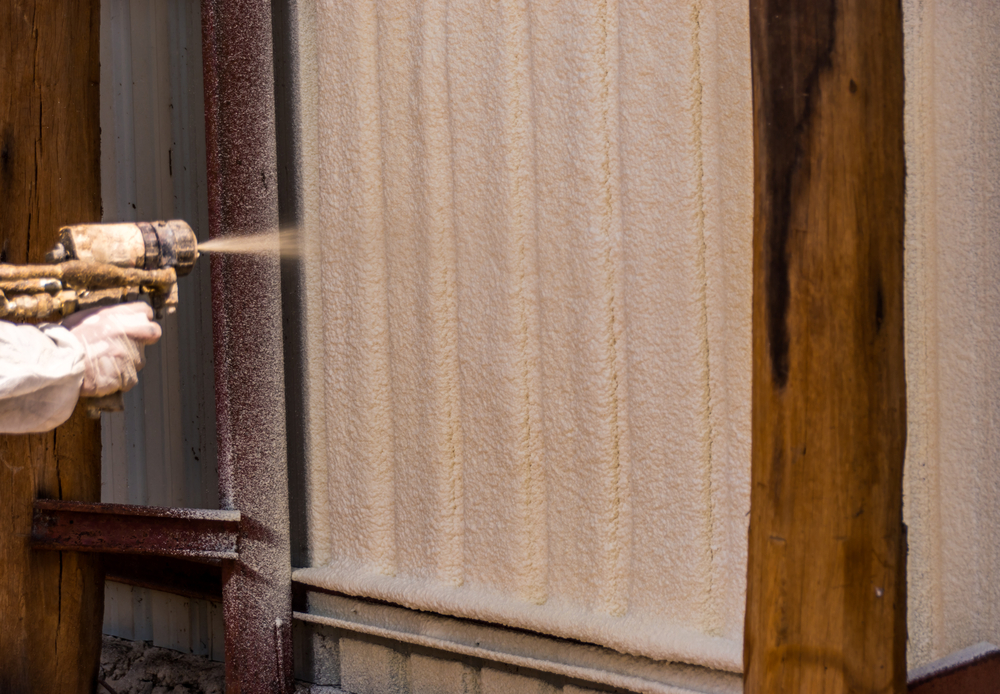
Spray foam insulation starts as a liquid and expands into a solid foam when applied, sealing every gap, crack, and crevice it touches. It provides superior air sealing and high R-values, which measure how well insulation resists heat flow. Because it hardens after expansion, it forms a tight barrier against both temperature fluctuations and air infiltration.
This makes spray foam insulation particularly suitable for Nevada home insulation needs. The desert climate and extreme temperature swings require materials that can keep warm air in and cold air out. Spray foam’s ability to create an airtight envelope around the home helps minimize energy loss and maintain consistent indoor temperatures throughout the winter. Homes in Nevada benefit from reduced heating bills, fewer drafts, and better overall energy efficiency.
Another advantage is moisture resistance. Although Nevada is dry, small amounts of moisture infiltration can still occur. Spray foam acts as both an insulator and a vapor barrier, offering dual protection against heat loss and water intrusion. It also strengthens walls and ceilings by adding structural integrity where applied.
However, spray foam insulation comes with a higher price tag than blown-in insulation. Installation requires professional expertise, and mistakes during application can lead to uneven coverage or poor performance. Additionally, homes on the California coast must be cautious about over-sealing with spray foam. While its airtight quality is a benefit in Nevada, in humid coastal regions it can trap moisture inside wall assemblies if not installed with proper vapor management systems. This can increase the risk of condensation and mold growth in wood-frame homes.
Cost, Installation, and Long-Term Value
Blown-in insulation is generally more affordable upfront. It requires less technical expertise to install and is often completed within a single day. This makes it an attractive option for California coast homeowners who may not need the extensive benefits that spray foam insulation provides. The cost of materials and labor is lower, and in many cases, existing insulation can be supplemented rather than replaced entirely.
The downside is that blown-in insulation may not provide the best long-term value in harsher winter climates like Nevada. It lacks the durability and thermal resistance that spray foam insulation offers. Settling can reduce its effectiveness over time, and it may need to be topped off or replaced after a decade or so.
Spray foam insulation, although more expensive initially, can provide better value over the life of the home. It has a longer lifespan, typically lasting the full lifetime of the structure, and significantly reduces heating and cooling costs. For Nevada homeowners, the investment often pays for itself in energy savings and improved comfort. For California coast residents, the return on investment may be less dramatic, especially if the climate does not demand high-performance insulation.
Another consideration is renovation flexibility. Blown-in insulation is easier to remove and replace if walls are opened during future remodeling. Spray foam, once cured, is difficult to remove and can complicate upgrades to electrical systems, plumbing, or HVAC ducts hidden behind walls.
Making the Right Choice Based on Location and Needs
When choosing the best insulation for winter, it is essential to match the product with the climate and performance expectations. Along the California coast, where winters are mild and moisture can be an issue, blown-in insulation offers a practical balance of cost, efficiency, and ease of installation. It can meet the basic thermal needs of coastal homes while avoiding the risks associated with overly sealed wall assemblies.
In contrast, spray foam insulation is often the superior choice for Nevada homes. Its ability to completely seal the building envelope makes it well suited to a dry, cold climate where heat retention is a top priority. For homeowners looking to make a significant investment in energy efficiency and comfort, spray foam offers unmatched performance during harsh winters.
Some homeowners may also consider a hybrid approach. For example, spray foam insulation can be used in hard-to-seal areas such as rim joists, while blown-in insulation can cover attic floors. This strategy allows for cost savings while still improving thermal performance and energy efficiency.
Each home is unique, and insulation decisions should be based on a full understanding of the property, climate conditions, and long-term goals. Consulting with a qualified insulation contractor can provide tailored recommendations for your specific situation.
Conclusion
Upgrading your insulation is one of the most effective ways to improve comfort and energy efficiency during the winter months. For homes on the California coast, blown-in insulation is often the best insulation for winter, offering a practical and affordable way to stay warm without over-engineering the building envelope. Its ease of installation and performance in mild climates make it a popular choice.
In Nevada, where winter temperatures drop more significantly, spray foam insulation stands out as the most effective solution. Its superior sealing capability and high R-value make it ideal for homes that need to retain heat and reduce energy loss.
When comparing spray foam insulation and blown-in insulation, the right choice depends on regional climate, budget, and long-term expectations. Both have their place in winter upgrade strategies, and when selected carefully, either can contribute to a warmer, more efficient home tailored to the unique needs of your location.
Need Insulation Near You?
Since 2001, Ace Insulation Inc. has been your premier insulation experts. We take pride in being locally owned and operated as well as offering high-quality service. We specialize in the installation of insulation. Whether you are building a new home or renovating your existing space, we are the place to call. We have many materials to choose from, including fiberglass and spray foam. If you are looking for high-quality work, call us today to schedule your next consultation!