
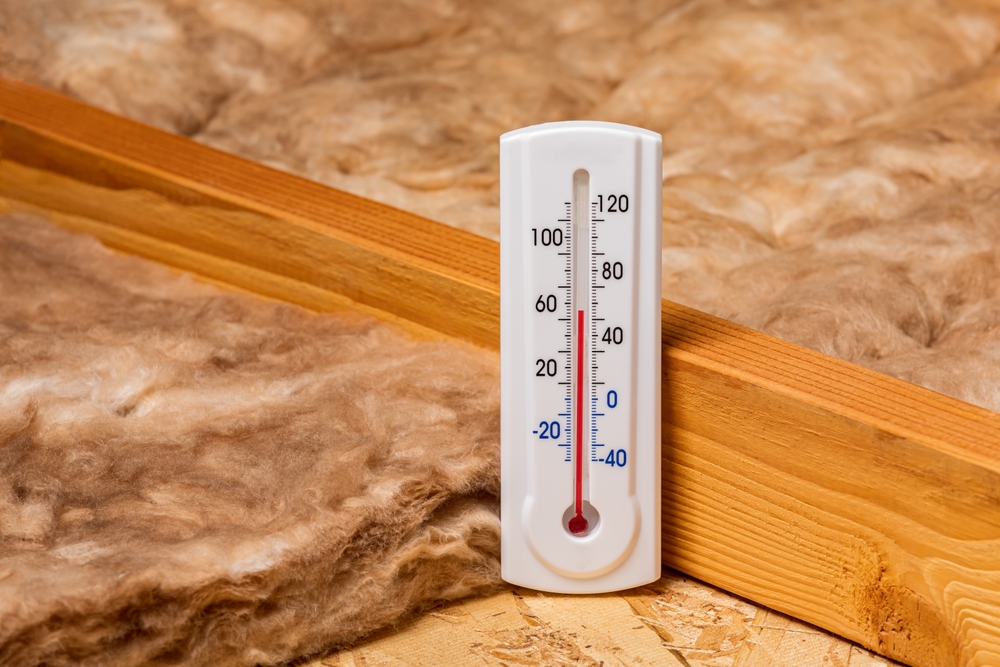
As autumn rolls into full swing and November weather starts setting in across California, homeowners in regions like the Sierra Nevada and the coast begin to think about the changing temperatures. Proper attic insulation becomes a critical concern, particularly in areas where the weather can vary significantly. Coastal California brings cool, moist ocean breezes, while the Sierra Nevada experiences sharp drops in temperature and potential early snowfall. Choosing the right type of insulation—blown-in insulation or batt insulation—can make a noticeable difference in home comfort, energy efficiency, and long-term costs.
Before committing to one over the other, it’s essential to conduct an insulation comparison that considers not only performance but also the unique climate demands of your location. Let’s break down how blown-in and batt insulation perform under the distinct conditions of California’s coast and the Sierra Nevada in November.
Understanding Blown-In Insulation in California’s Climate
Blown-in insulation, also known as loose-fill insulation, is typically made from cellulose, fiberglass, or mineral wool and is blown into attics or wall cavities using a special machine. One of its primary advantages is its ability to fill irregular or hard-to-reach spaces, making it particularly effective for attic insulation in older or oddly shaped homes, which are common along California’s coast.
In November, the coastal regions of California are cooler and more humid. While these temperatures are not extreme, heat loss during the evenings and early mornings can become noticeable without proper insulation. Blown-in insulation performs well in these conditions due to its density and ability to reduce air leakage, which helps maintain consistent indoor temperatures. Additionally, blown-in insulation has a slightly higher R-value per inch than most batt insulation types, meaning it can provide better thermal resistance in a smaller space.
Another major advantage of blown-in insulation for coastal homes is its resistance to moisture. Cellulose-based blown-in insulation is often treated to be mold and pest resistant, which is crucial in humid climates where condensation and damp air could otherwise lead to mildew and mold growth in the attic. This makes blown-in insulation an excellent choice for insulation for coastal homes, where environmental moisture is a constant factor.
Performance of Batt Insulation in the Sierra Nevada Region
Batt insulation, usually made from fiberglass or mineral wool, comes in pre-cut panels or rolls and is fitted between wall studs, joists, and beams. It’s widely used because of its affordability, ease of installation, and accessibility. When properly installed, batt insulation provides consistent thermal protection and is a go-to solution for many contractors across California.
In the Sierra Nevada, November typically ushers in early winter-like conditions with nighttime temperatures often dropping below freezing in higher elevations. These homes need an insulation solution that can provide reliable and sustained thermal performance in colder conditions. Batt insulation, with its thick layers, performs well in these scenarios by providing an effective barrier against cold air penetration and heat loss.
However, one of the challenges in Sierra Nevada homes is the architectural variety and potential for insulation gaps. Since batt insulation must be cut and manually installed, it may not seal perfectly around wires, pipes, or irregular framing. These gaps can reduce the overall effectiveness of the insulation and allow drafts. For this reason, while batt insulation performs admirably in well-constructed new homes in the Sierra Nevada, its effectiveness might be compromised in older structures unless installed with extra precision.
Moisture control is another consideration. Although the Sierra Nevada is generally dry, snow melt and freeze-thaw cycles can lead to moisture infiltration in attics. Batt insulation does not have inherent moisture resistance and may need to be paired with vapor barriers or other moisture control measures to maintain its performance over time.
Insulation Comparison: Cost, Installation, and Energy Efficiency
When evaluating blown-in insulation versus batt insulation, cost and installation complexity play significant roles. Batt insulation is typically more affordable on a per-square-foot basis and can be a DIY-friendly project for those with basic home improvement skills. Its straightforward installation process makes it appealing for quick retrofits or upgrades.
Blown-in insulation, on the other hand, often requires professional installation due to the equipment involved. While this can increase upfront costs, it also ensures a more comprehensive and custom fit, particularly in attics with complex framing or existing obstructions. In the long run, this tighter fit may lead to better energy efficiency and lower heating costs during the colder months in both coastal and mountainous regions.
From an energy efficiency standpoint, blown-in insulation often holds an advantage due to its superior air sealing qualities. Homes with blown-in attic insulation tend to retain warmth better, reducing the workload on heating systems. This can be a major benefit in November, especially in the Sierra Nevada, where heating demands ramp up quickly. In coastal California, energy savings may be more modest due to milder temperatures, but maintaining stable indoor comfort without relying heavily on heating systems still results in meaningful efficiency gains.
When performing an insulation comparison, it’s also worth considering the environmental impact. Cellulose blown-in insulation is often made from recycled materials and has a lower embodied energy footprint compared to fiberglass batt insulation. For eco-conscious homeowners, this might tip the scale in favor of blown-in insulation as a more sustainable choice.
Attic Insulation Best Practices for November Preparation
Whether you choose blown-in insulation or batt insulation, preparing your attic properly for November weather in California is essential. The attic plays a key role in regulating the overall temperature of the home and minimizing energy loss. In both the coast and the Sierra Nevada, even small inefficiencies in attic insulation can lead to noticeable spikes in energy bills.
Start with an inspection of your existing insulation. Check for signs of moisture, settling, or deterioration, especially if your home has older insulation. Blown-in insulation can settle over time, reducing its R-value, while batt insulation can become compressed or shift out of place. Addressing these issues before the coldest part of the year hits is critical.
In coastal homes, focus on sealing gaps where humid air can enter. Adding vapor barriers and ensuring proper ventilation in the attic helps reduce the risk of mold and mildew. For Sierra Nevada homes, consider adding additional layers of batt insulation or topping off existing insulation with a layer of blown-in material for added warmth and sealing power.
It’s also wise to consult with a local insulation expert who understands the specific weather patterns and building codes in your area. Their expertise can guide you in choosing the right insulation type and amount for maximum benefit during November and beyond.
Choosing the Right Insulation for Coastal and Sierra Nevada Homes
The decision between blown-in and batt insulation often comes down to your home’s specific structure, climate exposure, and insulation goals. In coastal California, where humidity and mild coolness dominate November weather, blown-in insulation’s ability to tightly seal small gaps and resist moisture makes it particularly well-suited. For homes built before modern construction standards, blown-in insulation can be retrofitted to enhance performance without significant renovation.
In contrast, for Sierra Nevada homes bracing for colder and potentially snowy Novembers, batt insulation can offer strong thermal protection, especially when installed with precision and care. Its affordability and availability make it a popular choice, but extra steps may be required to manage air leakage and moisture control.
Ultimately, for both coastal and mountainous regions, the best results often come from hybrid solutions. Some homeowners choose to combine batt insulation with a top layer of blown-in material in the attic, capitalizing on the strengths of each method. This layered approach can improve both air sealing and overall R-value, offering optimal protection against the varied challenges of California’s diverse climates.
Conclusion
When considering blown-in insulation versus batt insulation for homes in Coastal California and the Sierra Nevada, it’s important to understand how each performs under November’s specific conditions. Blown-in insulation excels in humid, coastal environments where airtight sealing and moisture resistance are crucial. Batt insulation, with its solid thermal resistance, is a reliable option in colder mountainous areas like the Sierra Nevada.
An effective insulation comparison should weigh not only climate factors but also installation requirements, long-term energy savings, and the age and design of the home. Whether you are upgrading attic insulation before winter or building a new home, selecting the right type can significantly improve indoor comfort and lower heating costs. By preparing now, you’ll enjoy a warmer, more efficient home all season long, no matter which California region you call home.
Need Insulation Near You?
Since 2001, Ace Insulation Inc. has been your premier insulation experts. We take pride in being locally owned and operated as well as offering high-quality service. We specialize in the installation of insulation. Whether you are building a new home or renovating your existing space, we are the place to call. We have many materials to choose from, including fiberglass and spray foam. If you are looking for high-quality work, call us today to schedule your next consultation!