
As the vibrant colors of fall sweep through the trees and the temperatures begin to dip, homeowners across California begin to think about preparing their homes for the colder months. One of the most effective ways to maintain a comfortable and energy-efficient home through winter is installing blown-in attic insulation. However, many overlook a crucial preparatory step before sealing in all that comfort: tackling fall dust and pollen that accumulate in attics during the transitional season.
Blown-in attic insulation offers numerous benefits, from reducing energy costs to stabilizing indoor temperatures, but it can inadvertently trap airborne allergens if proper steps are not taken beforehand. In this blog, we’ll explore how to handle fall dust allergies, improve insulation and indoor air quality, and perform attic prep before winter to ensure your insulation project provides lasting results without compromising your health or comfort.
Understanding the Fall Dust and Pollen Problem
Every fall, leaves, pollen, dust, and other particulates become more prevalent, especially in areas like California where dry weather and seasonal winds stir up debris. These microscopic particles often find their way into homes, particularly through attics, which tend to have gaps, vents, and other openings that are susceptible to outdoor air infiltration.
For individuals with respiratory issues, allergies, or sensitivities, this can become a real problem. Fall dust allergies are frequently triggered by weed pollens, mold spores, and decaying plant material that settle in attic spaces. Over time, if not cleaned or filtered out, these contaminants can become embedded in insulation materials and circulate throughout the home.
When homeowners add new layers of blown-in attic insulation without cleaning out these particulates first, they risk sealing in allergens that can degrade the overall air quality of their living space. That’s why understanding the seasonal dust and pollen problem is a critical first step in preparing for an insulation upgrade.
Why Blown-In Insulation is a Smart Choice
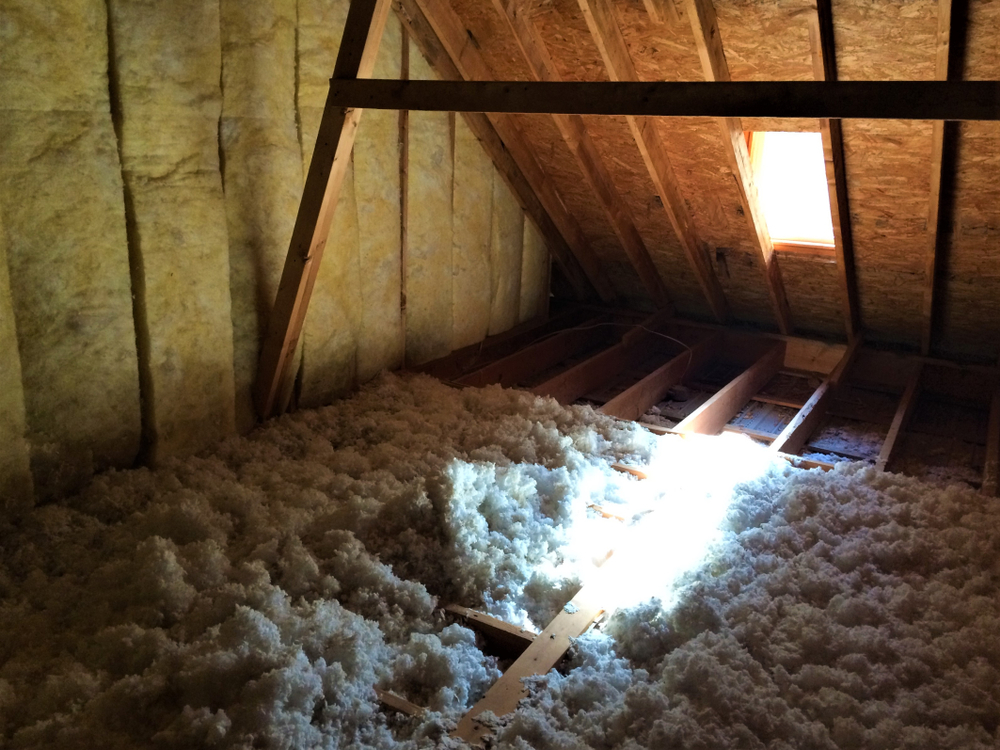
Blown-in attic insulation has become increasingly popular in both new homes and retrofits because of its ability to fill small crevices and cover uneven attic surfaces. It’s a loose-fill material, typically made from fiberglass or cellulose, and can be distributed uniformly across the attic floor, creating a seamless thermal barrier.
In California, where summers are hot and winters can vary depending on the region, blown-in attic insulation provides year-round energy efficiency. It helps homes stay cooler in the summer and warmer in the winter, reducing HVAC usage and energy bills. Additionally, it is an environmentally friendly option, particularly cellulose, which is often made from recycled paper.
However, the key to maximizing its benefits lies in ensuring that the space it occupies is clean and clear of dust and debris. Installing insulation over a layer of pollen or mildew spores can have long-term negative effects on insulation and indoor air quality, leading to discomfort, odors, and potential health risks.
Prepping Your Attic Before Winter
Fall is the perfect time for attic prep before winter, especially before installing new insulation. The mild weather provides a good window for homeowners and contractors to inspect, clean, and seal attics thoroughly. A comprehensive attic preparation process will involve a detailed inspection to identify and remove any dust, pollen, mold, or rodent droppings that may have accumulated over the warmer months.
This process typically starts with vacuuming or blowing out loose dust and organic matter. Depending on the age of the home and previous maintenance, this may also include removing old insulation that is damp, compacted, or contaminated. Any leaks or water damage discovered during this stage must be repaired, as moisture can severely compromise insulation performance.
Next comes sealing. Attic air sealing is an essential step in preventing drafts and keeping contaminants out. By caulking or using foam sealant to close gaps around pipes, wiring holes, attic hatches, and vents, homeowners can significantly reduce the infiltration of outdoor air and allergens. Proper sealing also enhances the performance of blown-in attic insulation by minimizing heat loss and eliminating paths for air leakage.
How Insulation Affects Indoor Air Quality
It’s easy to think of insulation as only a thermal barrier, but its impact on indoor air quality is equally significant. When done right, insulation helps create a tightly controlled indoor environment, limiting the exchange between indoor and outdoor air. This is especially important in areas of California where urban pollution, wildfire smoke, and seasonal allergens are increasingly problematic.
Insulation and indoor air quality are directly connected through the materials used, the state of the attic space, and how well it has been sealed. If the attic was dirty or moldy before installation, then the insulation will lock those problems into the structure of the home, allowing them to slowly seep into living areas over time. Additionally, poorly installed or low-quality insulation can break down, releasing fibers and particles into the air.
Choosing blown-in attic insulation made from non-toxic, mold-resistant materials is essential. Fiberglass insulation is naturally resistant to moisture and mold growth, while cellulose insulation is treated with fire-retardant and antifungal chemicals. Regardless of the material, homeowners should always prioritize cleaning and sealing the space first to safeguard their indoor air quality.
Best Practices for Insulating California Attics
When it comes to attic insulation, California presents unique challenges and opportunities. The state’s diverse climate zones—from coastal fog to desert heat—require careful consideration of insulation R-values and ventilation requirements. In Southern California, for instance, homes benefit from insulation that not only prevents heat loss in winter but also mitigates heat gain in summer.
Blown-in attic insulation is well-suited for this task, especially when combined with strategic attic ventilation. Ensuring adequate airflow through soffit and ridge vents helps maintain attic temperature and moisture balance, preventing mold and overheating. For homes located in wildfire-prone areas, it’s also important to use fire-resistant insulation materials and screen attic vents to prevent ember intrusion.
Before hiring a contractor or embarking on a DIY project, homeowners should ensure they understand the scope of their attic’s condition. A professional energy audit can identify weak spots in insulation coverage, air leaks, and areas where attic air sealing is needed. By combining proper cleaning, sealing, and high-quality blown-in insulation, California homeowners can enjoy energy savings, improved comfort, and healthier indoor air throughout the year.
Conclusion
Tackling fall dust and pollen before insulating your attic is more than just a smart seasonal chore—it’s a foundational step in protecting your home’s health, comfort, and efficiency. Blown-in attic insulation can significantly improve temperature control and energy savings, but only when it’s installed in a clean, well-prepped space.
For those prone to fall dust allergies, this preparation becomes even more critical. Taking the time in autumn to clean, seal, and ventilate your attic sets the stage for long-term benefits that go beyond insulation. It contributes to better indoor air quality, reduces the presence of allergens, and ensures that the insulation you install will perform at its best for years to come.
As the chill of winter approaches, don’t just think about keeping warm. Think about sealing in comfort responsibly. Invest in a thorough attic prep before winter and make sure your insulation solution is built on a clean, allergen-free foundation. Whether you live in the coastal regions or the dry interior valleys of California, your home—and your health—will thank you.
Need Insulation Near You?
Since 2001, Ace Insulation Inc. has been your premier insulation experts. We take pride in being locally owned and operated as well as offering high-quality service. We specialize in the installation of insulation. Whether you are building a new home or renovating your existing space, we are the place to call. We have many materials to choose from, including fiberglass and spray foam. If you are looking for high-quality work, call us today to schedule your next consultation!