Owning a home in Northern California and Northern Nevada means dealing with a wide range of weather conditions throughout the year. Whether you live in the coastal cool of Petaluma, the sweltering summers of Sacramento, or the high-desert swings of Sparks, your insulation is working hard in every season. Yet most homeowners only think about insulation when something goes wrong, like a sky-high energy bill or a room that never seems to reach a comfortable temperature. A proactive home insulation maintenance checklist keeps small problems from turning into expensive repairs, and it helps your home stay efficient all year long.
The good news is that staying on top of your insulation does not require professional expertise for every step. With a little knowledge and a consistent seasonal routine, homeowners in all three regions can catch issues early, improve comfort, and reduce energy costs significantly.
Why Regional Climate Makes Seasonal Insulation Tips Essential
The climates of Petaluma, Sacramento, and Sparks are distinct enough that a one-size-fits-all approach to insulation simply does not work. Petaluma sits in a valley corridor with cool, foggy winters and moderate summers, which means moisture intrusion and condensation are frequent threats to insulation materials. Sacramento experiences triple-digit summer heat that pushes attic temperatures to extreme levels, making radiant barriers and proper attic ventilation critical components of insulation performance for homeowners. Sparks, located just east of Reno in the high desert, faces dramatic temperature swings, with freezing winters and hot summers that stress insulation at both ends of the thermometer.
Understanding your local climate is the first step toward building an effective home insulation maintenance checklist. Each season brings a different set of challenges, and your inspection routine should reflect the specific demands of where you live.
Spring: Prepare for Heat and Check for Winter Damage
Spring is the ideal time to assess any damage that winter weather may have caused. In Sparks, heavy snowfall and freeze-thaw cycles can compress or shift insulation in attics and crawl spaces. In Petaluma and Sacramento, winter rains can lead to moisture infiltration that degrades insulation over time.
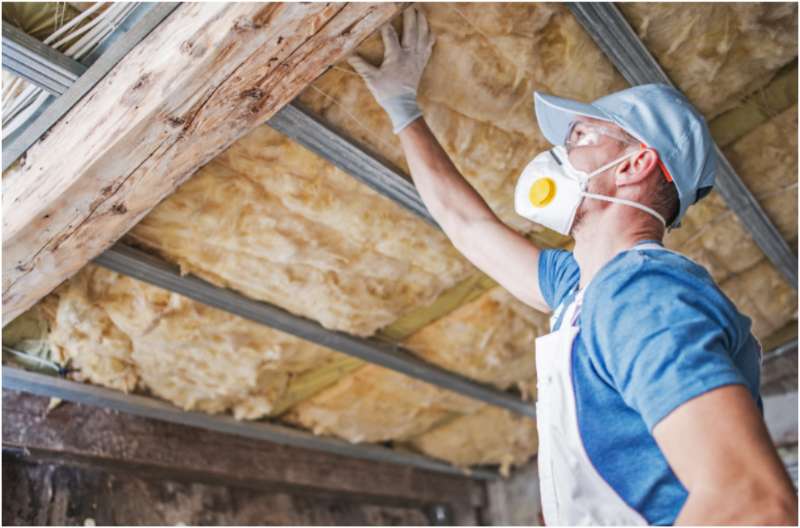
Start your spring checklist by walking through your attic during daylight hours. Look for daylight coming through the roof boards, which signals gaps where heat and conditioned air can escape. Check for signs of moisture, including water stains, rust on metal fasteners, or a musty odor. Wet insulation loses its ability to resist heat transfer and must be replaced promptly.
Next, inspect your crawl space if your home has one. Ground moisture in Northern California is especially problematic in late winter and early spring. A vapor barrier in good condition is essential for protecting the insulation above it. Check for torn or missing sections and ensure the barrier laps up the foundation walls at least six inches.
Spring is also the right time to air-seal any gaps you discover. Use spray foam or caulk to seal around pipes, wires, and ducts that penetrate insulated surfaces. Every gap you close reduces the burden on your HVAC system before the hot months arrive.
Summer: Focus on the Sparks Attic Inspection Guide and Attic Performance
Summer is when insulation performance homeowners care most about becomes obvious. A poorly insulated attic can become a furnace that radiates heat downward into your living space, forcing your air conditioner to run constantly. This is especially true in Sacramento, where summer temperatures regularly exceed 100 degrees Fahrenheit, and in Sparks, where afternoon heat can be intense and dry.
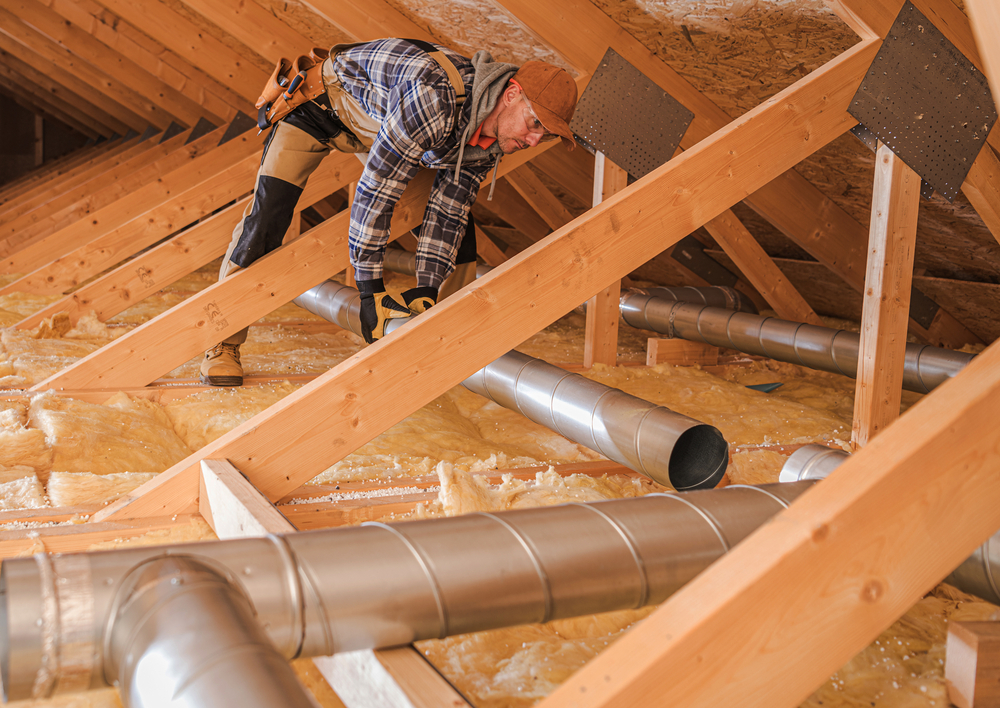
Your summer checklist should center on the attic. Begin with a thorough Sparks attic inspection guide approach, which applies equally well to Sacramento and Petaluma: check your attic insulation depth and compare it to the recommended R-value for your climate zone. Homes in Sacramento and Sparks generally benefit from R-38 to R-60 in the attic, depending on the construction era and existing insulation type.
While in the attic, verify that soffit and ridge vents are unobstructed. Proper airflow through the attic reduces heat buildup and protects your roof from moisture damage in cooler months. If insulation has been blown or placed too close to the eave vents, install baffles to maintain airflow.
Check your ductwork as well. Ducts running through unconditioned attic space are a major source of energy loss. Look for gaps at connections and consider adding duct insulation wrap where sections are exposed. This single step can noticeably improve cooling efficiency and is one of the most impactful seasonal insulation tips for Sacramento homeowners.
Fall: Seal and Fortify Before Cold Weather Arrives
Fall is preparation season. Temperatures drop quickly in Sparks and, to a lesser degree, in Sacramento and Petaluma, and any gaps in your building envelope will become painfully apparent once heating season begins. A thorough fall inspection is your best defense against high winter energy bills.
Walk the perimeter of your home and look for gaps around windows and doors. Check weatherstripping and replace any sections that are compressed, torn, or missing. Pay special attention to door bottoms and sliding glass doors, which are common sources of drafts.
Inside the home, check outlet covers and switch plates on exterior walls. These small openings are often overlooked but can allow significant amounts of cold air to enter. Foam gaskets installed behind outlet covers are inexpensive and easy to install.
In the attic, make sure your insulation is evenly distributed and has not shifted since your spring inspection. Petaluma homeowners should pay particular attention to any areas near roof penetrations or valleys where moisture may have infiltrated during the rainy season. Adding blown-in insulation to thin or uneven areas is a worthwhile fall investment before heating costs climb.
Winter: Monitor Performance and Address Problem Spots
Winter is the season for monitoring rather than major projects, but it is still an important part of your year-round home insulation maintenance checklist. Cold weather reveals weaknesses that warmer months can hide, and catching a problem in January is far better than discovering structural damage in the spring.
Pay attention to ice dams if your Sparks home has a pitched roof. Ice dams form when heat escaping through the roof melts snow, which then refreezes at the eaves. This is a sign that your attic insulation and ventilation need improvement. While ice dams are rare in Petaluma and Sacramento, homeowners there should watch for condensation on windows and walls, which can indicate that warm interior air is hitting cold surfaces due to insufficient insulation.
During winter, check your heating bills against the same period in prior years. A significant increase in costs without a corresponding change in usage habits often points to insulation degradation. If rooms feel cold near exterior walls or floors, that is another indicator worth investigating.
Keep an eye on crawl space venting as well. Some homeowners close crawl space vents in winter to retain heat, but this can trap moisture. Consult with a local insulation professional about the best approach for your specific home type and foundation design.
Conclusion
A consistent seasonal routine is the foundation of strong insulation performance homeowners across Petaluma, Sacramento, and Sparks rely on to stay comfortable and efficient. By following this home insulation maintenance checklist through every season, you protect your investment, reduce your energy costs, and ensure your home handles whatever the Northern California and Northern Nevada climate throws at it. Seasonal insulation tips are not just about comfort; they are about maintaining the long-term health and value of your home. Start with one season at a time, work through each inspection systematically, and do not hesitate to bring in a qualified insulation contractor when a problem is beyond a simple DIY fix. The effort you invest in your insulation today pays dividends in comfort and savings for years to come.
Need Insulation Near You?
Since 2001, Ace Insulation Inc. has been your premier insulation experts. We take pride in being locally owned and operated as well as offering high-quality service. We specialize in the installation of insulation. Whether you are building a new home or renovating your existing space, we are the place to call. We have many materials to choose from, including fiberglass and spray foam. If you are looking for high-quality work, call us today to schedule your next consultation!
Sacramento, CA, experiences a mix of hot summers and mild, wet winters, making proper insulation crucial for maintaining energy efficiency and indoor comfort. Many homeowners are unaware of potential insulation issues until they notice signs like fluctuating indoor temperatures or rising energy bills. Because insulation plays a pivotal role in reducing heat transfer and maintaining a stable indoor environment, identifying and addressing problems early can prevent costly repairs and excessive energy consumption.
Understanding how insulation functions in Sacramento’s unique climate is the first step to recognizing issues. In the summer, insulation should prevent heat from entering the home, reducing the strain on air conditioning systems. Conversely, during winter, it should trap heat inside, ensuring homes remain warm without excessive use of heating systems. If your home struggles to maintain consistent temperatures, it could indicate insulation issues that require further inspection.
How to Tell If You Have Insulation Issues
Several signs suggest insulation problems, but homeowners often overlook them or attribute them to other factors. If your home frequently feels too hot in summer or too cold in winter despite running heating and cooling systems, it may be due to insufficient or deteriorating insulation. Unusually high energy bills are another indicator, as poor insulation forces HVAC systems to work harder to compensate for heat loss or gain.
Drafts or cold spots inside the home, particularly near windows, doors, or walls, suggest areas where insulation may be compromised. Another sign is inconsistent temperatures between rooms; if one area remains significantly hotter or colder than others, it may indicate poor insulation in walls or ceilings. Additionally, if ice dams form on your roof during the winter, it could be due to heat escaping through the attic, melting snow, and refreezing at the edges. Finally, increased noise levels inside your home may indicate thin or inadequate insulation, as proper insulation also acts as a sound barrier.
Inspecting Your Attic and Walls for Insulation Problems
Attics are often the primary location where insulation issues arise. A thorough inspection of your attic can reveal signs of deterioration, moisture damage, or insufficient coverage. Start by looking at the insulation’s thickness; if it appears compacted, thin, or patchy, it may no longer be effective. In Sacramento’s climate, attic insulation should meet or exceed recommended R-values to maintain energy efficiency.
Check for any signs of moisture, mold, or mildew in your attic, as these indicate leaks that can compromise insulation performance. Wet insulation loses its effectiveness and can lead to further damage, including structural issues and health hazards from mold growth. Inspect vents and ductwork to ensure they are properly sealed and not allowing air leaks that can reduce insulation efficiency.
For walls, detecting insulation issues can be more challenging without professional equipment. However, homeowners can use touch tests to identify cold spots, listen for excessive noise penetration from outside, or remove outlet covers to check for insulation behind electrical boxes. Infrared thermometers or thermal imaging cameras can help visualize temperature variations and pinpoint problem areas where insulation is lacking.
Identifying Floor and Crawl Space Insulation Issues
Floor and crawl space insulation are often overlooked, yet they play a significant role in maintaining indoor comfort and preventing energy loss. If you notice cold floors in winter or excessive heat radiating from the ground in summer, poor insulation in these areas may be the cause. Crawl spaces in Sacramento homes should be adequately insulated and ventilated to prevent moisture buildup and mold growth.
Inspect your crawl space for signs of dampness, mildew, or deteriorating insulation. Fiberglass insulation that appears sagging, wet, or damaged should be replaced promptly to prevent further issues. Foam board or spray foam insulation may be a better alternative in crawl spaces, as they provide effective moisture resistance and improved insulation performance. If pests such as rodents or insects are present, they may have damaged insulation, creating gaps that reduce efficiency.
Another sign of insulation problems in flooring is an increase in allergens or poor indoor air quality. If you notice dust, mold spores, or humidity issues, it could be due to air leakage from crawl spaces or inadequate insulation allowing outdoor contaminants to enter the home. Addressing these issues can significantly improve indoor air quality while reducing energy costs.
When to Call a Professional for an Insulation Assessment
While some insulation issues can be identified through visual inspections and basic tests, certain problems require professional evaluation. If you suspect insulation gaps but cannot access hard-to-reach areas, an insulation contractor can use advanced tools like thermal imaging to detect inefficiencies. Professional assessments also ensure compliance with Sacramento’s building codes and energy efficiency standards, helping homeowners make informed decisions about insulation upgrades.
If you experience persistent temperature imbalances, high energy bills, or signs of moisture damage, it is advisable to consult an expert. Upgrading insulation in key areas such as the attic, walls, and crawl spaces can lead to long-term savings and enhanced indoor comfort. Professionals can recommend suitable insulation types, such as blown-in cellulose, fiberglass batts, or spray foam, based on your home’s specific needs and Sacramento’s climate conditions.
Conclusion
Addressing insulation issues proactively not only improves energy efficiency but also enhances overall home value. Whether performing a self-inspection or seeking professional assistance, staying proactive about insulation maintenance ensures long-term comfort and cost savings for Sacramento homeowners.
Need Insulation in Sacramento, NV?
Since 2001, Ace Insulation Inc. has been your premier insulation experts. We take pride in being locally owned and operated as well as offering high-quality service. We specialize in the installation of insulation. Whether you are building a new home or renovating your existing space, we are the place to call. We have many materials to choose from, including fiberglass and spray foam. If you are looking for high-quality work, call us today to schedule your next consultation!
Ensuring that your home is properly insulated is essential for maintaining comfort, energy efficiency, and indoor air quality. In Petaluma, CA, where temperatures can fluctuate throughout the year, having adequate insulation is particularly important to keep your home cool in the summer and warm in the winter. However, over time, insulation can deteriorate or become less effective, leading to energy loss and discomfort. In this comprehensive guide, we’ll explore the signs that indicate your home may need insulation upgrades, helping you identify potential issues and take proactive steps to improve insulation efficiency and performance. From understanding the signs your home needs insulation to exploring the benefits of upgrading insulation, we’ve got you covered.
Understanding the Importance of Proper Insulation
Proper insulation is critical for maintaining thermal comfort and energy efficiency in residential buildings. Insulation acts as a barrier against heat transfer, preventing warm air from escaping in the winter and heat from entering in the summer. By reducing heat loss and gain, insulation helps regulate indoor temperatures, reduces energy consumption, and lowers utility bills. Additionally, insulation improves indoor air quality by minimizing drafts, moisture buildup, and outdoor pollutants infiltration, creating a healthier living environment for occupants.
Benefits of Proper Insulation
Improved Comfort: Proper insulation keeps indoor temperatures consistent and comfortable year-round, eliminating hot and cold spots and reducing the need for heating and cooling.
Energy Efficiency: Insulation reduces heat transfer through walls, floors, and ceilings, lowering energy consumption and utility costs.
Noise Reduction: Insulation absorbs sound vibrations, minimizing noise transmission between rooms and from external sources, enhancing overall acoustic comfort.
Environmental Sustainability: By reducing energy consumption, insulation helps lower greenhouse gas emissions and minimize environmental impact, contributing to a more sustainable future.
Signs Your Home Needs Insulation
Identifying signs that indicate your home may need insulation upgrades is the first step toward improving energy efficiency and comfort. Here are some common signs to watch out for:
1. Fluctuating Indoor Temperatures
If you notice significant temperature variations between rooms or levels of your home, it could indicate insufficient insulation. Rooms that are consistently colder in winter or hotter in summer than others may lack adequate insulation, allowing heat transfer through walls, floors, or ceilings.
2. High Energy Bills
Rising energy bills without a corresponding increase in usage can be a red flag for poor insulation. Inefficient insulation allows heated or cooled air to escape, forcing HVAC systems to work harder and consume more energy to maintain desired temperatures.
3. Drafts and Air Leaks
Feeling drafts or noticing air leaks around windows, doors, electrical outlets, or attic access points suggests gaps or voids in insulation. Sealing air leaks and adding insulation in these areas can help improve energy efficiency and indoor comfort.
4. Ice Dams and Roof Issues
Ice dams forming on the roof during winter or water stains on ceilings and walls could indicate inadequate attic insulation and ventilation. Poor attic insulation allows heat from the living space to escape, leading to snow melting on the roof and refreezing at the eaves, causing ice dams and potential water damage.
Upgrade the Insulation in Your Home
If you’ve identified signs that your home may need insulation upgrades, it’s essential to take action to address potential issues and improve energy efficiency. Here’s how you can upgrade the insulation in your home:
1. Conduct a Home Energy Audit
Schedule a professional home energy audit to assess your home’s insulation levels, air leakage, and energy usage. A certified auditor can identify areas for improvement and recommend insulation upgrades tailored to your home’s specific needs and budget.
2. Add Insulation to Attic and Walls
Consider adding insulation to under-insulated areas such as the attic, walls, and floors to improve thermal performance and energy efficiency. Options include fiberglass batts, cellulose, spray foam, and rigid foam insulation, depending on the application and desired R-value.
3. Seal Air Leaks and Ducts
Seal air leaks around windows, doors, electrical outlets, and ductwork to minimize heat loss and drafts. Use caulking, weatherstripping, or spray foam insulation to seal gaps and cracks, improving air tightness and energy efficiency.
4. Upgrade Windows and Doors
Replace old or inefficient windows and doors with energy-efficient models featuring double or triple-pane glass, low-e coatings, and insulated frames. Upgrading windows and doors can enhance insulation, reduce air infiltration, and improve overall comfort and energy savings.
Summary
Ensuring that your home is properly insulated is essential for maintaining comfort, energy efficiency, and indoor air quality in Petaluma, CA. By understanding the signs your home needs insulation and taking proactive steps to upgrade insulation, you can improve thermal performance, reduce energy consumption, and enhance overall comfort and well-being for you and your family. Whether you’re experiencing fluctuating indoor temperatures, high energy bills, or drafts and air leaks, addressing insulation issues can lead to significant improvements in home comfort and energy savings. With proper insulation upgrades, you can enjoy a more comfortable, energy-efficient home year-round while reducing your environmental footprint and contributing to a more sustainable future.
Need Insulation in Petaluma, CA?
Since 2001, Ace Insulation Inc. has been your premier insulation experts. We take pride in being locally owned and operated as well as offering high-quality service. We specialize in the installation of insulation. Whether you are building a new home or renovating your existing space, we are the place to call. We have many materials to choose from, including fiberglass and spray foam. If you are looking for high-quality work, call us today to schedule your next consultation!
When it comes to building a new home in Sparks, NV, one of the most important considerations is insulation. Insulationplays a crucial role in maintaining the comfort and energy efficiency of a home, helping to keep it warm in the winter and cool in the summer. With the increasing focus on sustainability and energy efficiency, choosing the right insulation for your new construction project is more important than ever. In this guide, we will explore some of the best insulation options for new homes in Sparks, NV, and how they can help you build a sustainable and energy-efficient home.
The Best Insulation Options for New Homes
There are several insulation options available for new construction projects in Sparks, NV, each with its own unique benefits and considerations. Some of the most popular insulation options for new homes include:
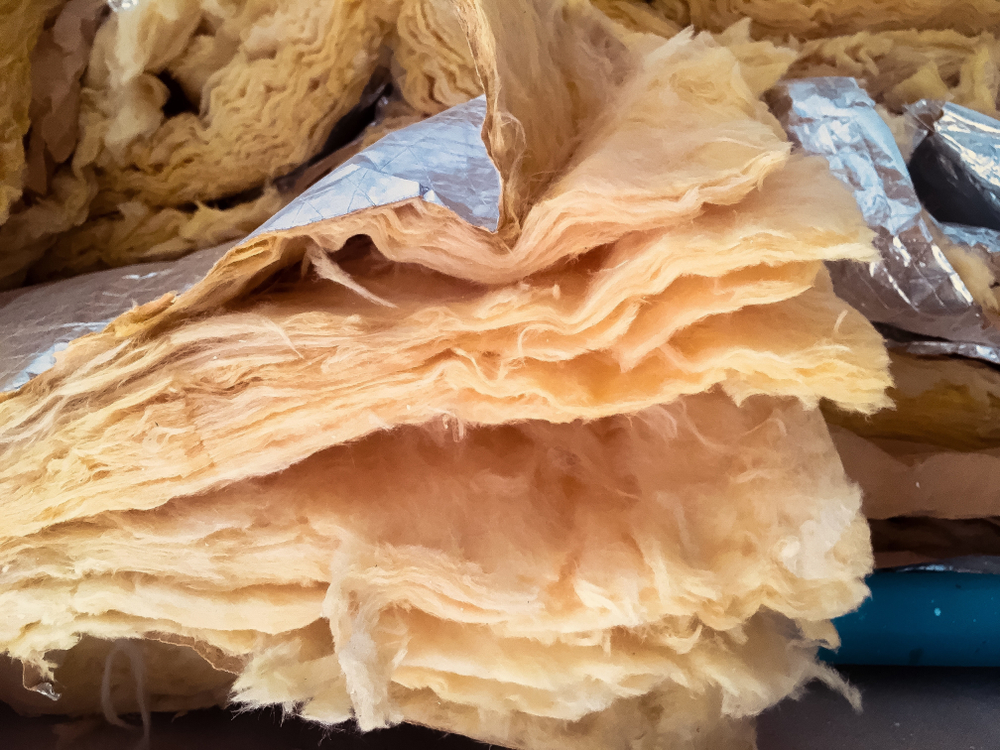
– Fiberglass Insulation: Fiberglass insulation is one of the most common types of insulation used in residential construction. It is made from tiny glass fibers and is available in batts, rolls, or loose-fill forms. Fiberglass insulation is affordable, easy to install, and offers good thermal performance.
– Spray Foam Insulation: Spray foam insulation is a versatile and effective insulation option for new homes. It is made from a mixture of chemicals that expand into a foam when applied to a surface. Spray foam insulation is known for its excellent thermal performance, air sealing properties, and moisture resistance.
– Cellulose Insulation: Cellulose insulation is made from recycled paper fibers, making it a sustainable and eco-friendly insulation option. It is available in loose-fill form and offers good thermal performance and soundproofing properties. Cellulose insulation is also treated with fire retardants to improve its fire resistance.
– Mineral Wool Insulation: Mineral wool insulation is made from natural rock or slag fibers and is available in batts, rolls, or loose-fill forms. It offers excellent thermal performance, fire resistance, and soundproofing properties. Mineral wool insulation is also moisture-resistant and does not promote mold growth.
Choosing the Right Insulation for Your Home
When choosing insulation for your new construction project in Sparks, NV, there are several factors to consider. These include the climate of the region, the R-value of the insulation, the installation method, and your budget. It is important to select an insulation option that meets the specific needs of your home and provides the best possible performance.
If you are building a sustainable home in Sparks, NV, consider choosing insulation options that are eco-friendly and energy-efficient. Sustainable insulation options, such as cellulose insulation or mineral wool insulation, can help you reduce your home’s energy consumption and environmental impact. These insulation options are made from recycled materials, have low carbon footprints, and offer excellent thermal performance.
In addition to choosing the right insulation material, proper installation is key to ensuring the effectiveness of your insulation. Improperly installed insulation can lead to air leaks, thermal bridging, and reduced energy efficiency. It is important to work with a qualified insulation contractor who has experience installing insulation in new construction projects. A professional insulation contractor can help you select the right insulation material, determine the appropriate R-value for your home, and ensure that the insulation is installed correctly.
Benefits of Insulation for New Construction
Insulation plays a key role in the overall comfort, energy efficiency, and sustainability of a new home in Sparks, NV. Properly installed insulation can help reduce heat loss in the winter, heat gain in the summer, and energy consumption throughout the year. This can result in lower energy bills, improved indoor comfort, and a reduced environmental impact.
In addition to energy savings, insulation can also help improve indoor air quality, reduce noise transmission, and increase the resale value of your home. A well-insulated home is more comfortable to live in, healthier for its occupants, and more attractive to potential buyers. By investing in high-quality insulation for your new construction project, you can enjoy these benefits for years to come.
Summary
Insulation is a critical component of building a sustainable and energy-efficient home in Sparks, NV. By choosing the right insulation material, working with a qualified insulation contractor, and prioritizing energy efficiency, you can create a comfortable, healthy, and eco-friendly living space. Whether you opt for fiberglass insulation, spray foam insulation, cellulose insulation, or mineral wool insulation, investing in high-quality insulation for your new construction project is a decision that will pay off in the long run.
Need Insulation in Sparks, NV?
Since 2001, Ace Insulation Inc. has been your premier insulation experts. We take pride in being locally owned and operated as well as offering high-quality service. We specialize in the installation of insulation. Whether you are building a new home or renovating your existing space, we are the place to call. We have many materials to choose from, including fiberglass and spray foam. If you are looking for high-quality work, call us today to schedule your next consultation!
In Petaluma, CA, where residents often experience fluctuating temperatures throughout the year, ensuring good indoor air quality is crucial for maintaining a healthy and comfortable living environment. One of the key factors that can significantly impact indoor air quality is proper insulation. In this blog post, we will explore how insulation contributes to air quality and the link between insulation and improving air quality in Petaluma.
Understanding the Importance of Indoor Air Quality
Indoor air quality refers to the cleanliness and freshness of the air inside a building or home. Poor indoor air quality can lead to a range of health problems, including allergies, asthma, and respiratory issues. Common indoor air pollutants include dust, pollen, mold, and volatile organic compounds (VOCs) emitted from household products and building materials.
The Impact of Insufficient Insulation on Air Quality
Insufficient insulation can lead to a range of issues that negatively impact indoor air quality. Inadequate insulation can result in air leaks, allowing outdoor pollutants to enter the home and reducing the efficiency of the heating and cooling systems. This can lead to increased energy consumption, poor indoor air circulation, and a buildup of moisture, which can promote mold growth and worsen air quality.
How Insulation Contributes to Air Quality Improvement
Proper insulation plays a significant role in improving indoor air quality in Petaluma, CA. By sealing air leaks and creating a barrier against outdoor pollutants, insulation helps maintain a clean and healthy indoor environment. Additionally, high-quality insulation materials can help regulate indoor temperatures, reduce energy consumption, and minimize the need for heating and cooling systems, further enhancing air quality.
The Link Between Insulation and Improving Air Quality
The link between insulation and improving air quality lies in the insulation’s ability to create a more controlled and comfortable indoor environment. By preventing air leaks and maintaining consistent temperatures, insulation reduces the risk of condensation, mold growth, and the buildup of allergens and pollutants in the air. This, in turn, helps protect the health and well-being of residents and ensures a cleaner and safer living space.
Choosing the Right Insulation for Your Home
When it comes to improving indoor air quality through insulation, choosing the right insulation material is key. Common insulation materials include fiberglass, cellulose, foam, and spray foam insulation. Each type of insulation has its own advantages and considerations, such as R-value, moisture resistance, and fire safety. Consulting with a professional insulation contractor in Petaluma can help you select the most suitable insulation for your home based on your specific needs and budget.
Professional Insulation Installation Services in Petaluma, CA
To ensure optimal indoor air quality and energy efficiency, it is essential to work with a reputable insulation contractor in Petaluma, CA. Professional insulation installation services can help you assess your home’s insulation needs, recommend the right insulation materials, and ensure proper installation for maximum effectiveness. With expert guidance and high-quality insulation products, you can significantly improve your home’s air quality and comfort levels.
Summary
In Petaluma, CA, where indoor air quality is a major concern for residents, proper insulation plays a critical role in creating a healthy and comfortable living environment. By understanding how insulation contributes to air quality improvement and the link between insulation and indoor air quality, residents can make informed decisions about their insulation needs. With the help of professional insulation installation services, homeowners in Petaluma can enhance their indoor air quality, energy efficiency, and overall well-being.
Need Insulation in Petaluma, CA?
Since 2001, Ace Insulation Inc. has been your premier insulation experts. We take pride in being locally owned and operated as well as offering high-quality service. We specialize in the installation of insulation. Whether you are building a new home or renovating your existing space, we are the place to call. We have many materials to choose from, including fiberglass and spray foam. If you are looking for high-quality work, call us today to schedule your next consultation!
Areas Served
Proudly providing residential and commercial insulation installation to Petaluma, CA and the surrounding areas including:
Certificate of Approved Applicator from SWD, approved to install quik-shield polyurethane foam and coating products in residential and commercial applications according to the standards and guidelines as set forth by SWD Urethane