When it comes to creating a comfortable living environment, one of the key factors is maintaining a consistent temperature inside your home. Fluctuating temperatures can not only make your living spaces uncomfortable but also lead to higher energy bills. Strategic insulation is a solution that can help you achieve the desired temperature equilibrium throughout your home. In this blog post, we will discuss the importance of insulation and how it can help you maintain a consistent temperature.
1. Understanding the Importance of Insulation:
Insulationserves as a barrier against the transfer of heat between the interior and exterior of your home. During hot summer months, insulation helps keep the cool air inside and prevent the heat from seeping in. In the winter, it acts as a buffer, retaining the warmth generated by your heating system and preventing it from escaping. By maintaining a well-insulated home, you can reduce your reliance on heating and cooling systems, resulting in energy savings and a more comfortable indoor environment.
2. Identifying Problem Areas:
To effectively maintain consistent temperatures, it’s important to identify the problem areas in your home where insulation might be lacking or inadequate. Common problem areas include walls, roofs, windows, and doors. Walls without proper insulation allow heat to escape, while poorly insulated roofs can lead to significant heat loss. Additionally, windows and doors that are not well-insulated can allow drafts and temperature fluctuations. By identifying these problem areas, you can prioritize insulation improvements to create a more even temperature distribution.
3. Choosing the Right Type of Insulation:
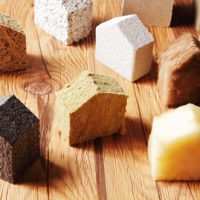
There are different types of insulation available, and choosing the right one depends on your specific needs and budget. One common insulation material is fiberglass, which is cost-effective and widely used in both residential and commercial settings. Fiberglass insulation is available in rolls, batts, or loose-fill, making it versatile for various applications. Another option is cellulose insulation, which is made of recycled materials and offers excellent thermal performance. Spray foam insulation provides an airtight seal but tends to be more expensive. Researching and consulting with professionals can help you determine the best insulation material for your home.
4. Insulating the Attic:
The attic is a critical area that often lacks insulation but can significantly affect the overall temperature of your home. Poor insulation in the attic allows hot air to rise and escape, leading to increased energy consumption and temperature fluctuations. By insulating the attic, you can prevent excessive heat buildup in the summer and retain warmth during the winter. It’s essential to ensure proper insulation coverage, including insulating any access points such as attic doors or hatches, to maximize the benefits.
5. Sealing Gaps and Cracks:
In addition to insulation, sealing gaps and cracks in your home’s structure is crucial for maintaining consistent temperatures. Leaky windows, doors, and gaps in walls or floors can allow drafts and unwanted airflow, resulting in temperature imbalances. Weatherstripping or caulking can help seal gaps around windows and doors, preventing air leakage. By addressing these small yet significant areas, you can optimize energy efficiency and maintain a more stable internal temperature.
6. Insulating Walls and Crawl Spaces:
Insulating walls and crawl spaces can have a significant impact on temperature regulation. Insulating exterior walls helps create a thermal barrier, preventing heat loss or heat gain from the outside. Crawl spaces can be a significant source of temperature fluctuations if not properly insulated. Insulating crawl spaces with materials such as foam board insulation or fiberglass batts can help reduce moisture buildup and improve temperature control.
Summary
Strategic insulation plays a crucial role in maintaining a consistent temperature within your home. Understanding the importance of insulation, identifying problem areas, choosing the right type of insulation, and insulating critical areas such as the attic, walls, and crawl spaces are vital for achieving optimum temperature control. Additionally, sealing gaps and cracks in your home’s structure helps minimize unwanted air infiltration. By investing in insulation and adopting preventive measures, you can create a more comfortable and energy-efficient living environment for you and your family.
Need Insulation in Petaluma, CA?
Since 2001, Ace Insulation Inc. has been your premier insulation experts. We take pride in being locally owned and operated as well as offering high-quality service. We specialize in the installation of insulation. Whether you are building a new home or renovating your existing space, we are the place to call. We have many materials to choose from, including fiberglass and spray foam. If you are looking for high-quality work, call us today to schedule your next consultation!
Noise pollution can be a major source of stress and discomfort, especially when you’re trying to relax or concentrate in your own home. Fortunately, there’s a solution that not only helps to regulate temperature but also reduces noise pollution – insulation. In this blog, we’ll explore how insulation can effectively reduce noise pollution in your home.
Understanding Noise Pollution
Before diving into the benefits of insulation, let’s first understand what noise pollution is. Noise pollution refers to any unwanted or excessive noise that disrupts the normal functioning of everyday life. Common sources of noise pollution include traffic, construction, loud neighbors, or even household appliances. Exposure to excessive noise can lead to a range of health issues such as sleep disturbances, stress, hearing loss, and impaired cognitive function.
How Insulation Works
Insulation, typically made from materials such as fiberglass, cellulose, or foam, helps regulate the temperature inside your home by creating a barrier against heat transfer. However, besides its thermal benefits, insulation can also play a crucial role in reducing noise pollution. Insulation materials are dense and thick, which helps to absorb and dampen sound waves. By minimizing the impact of external noise, insulation creates a more peaceful and comfortable indoor environment.
Types of Insulation for Noise Reduction
Several types of insulation are effective in reducing noise pollution in your home. Here are a few options to consider:
1. Fiberglass Insulation:
Fiberglass insulation is a popular choice for noise reduction. Its dense composition and ability to trap air pockets make it effective in absorbing sound waves. Fiberglass insulation can be installed in walls, ceilings, and floors, providing an efficient barrier against noise pollution.
2. Cellulose Insulation:
Made from recycled paper, cellulose insulation is an eco-friendly alternative that also offers excellent noise reduction properties. This type of insulation is typically blown into wall cavities, effectively blocking sound transmission.
3. Spray Foam Insulation:
Spray foam insulation is a modern and versatile option that provides both thermal insulation and noise reduction. This type of insulation expands and fills gaps, creating an airtight seal that blocks sound waves from entering your home.
Benefits of Insulation for Noise Reduction
Investing in insulation for noise reduction can yield several benefits for your home and overall well-being:
1. Increased Privacy:
Insulation helps to create a sense of privacy by minimizing the transmission of sound from room to room. This is particularly beneficial for houses with open floor plans or shared walls, where noise can easily travel and disrupt daily activities.
2. Improved Sleep Quality:
A quiet and peaceful environment is crucial for getting a good night’s sleep. With insulation, you can minimize external noises that may disturb your sleep, such as traffic or neighbors’ conversations. By reducing noise pollution, insulation promotes better sleep quality, leading to improved overall health and well-being.
3. Enhanced Concentration:
If you work or study from home, insulation can significantly impact your focus and concentration. By reducing background noise, insulation creates a more conducive environment for work or study, allowing you to be more productive and efficient.
4. Increased Home Value:
Insulation not only provides immediate benefits but can also increase the value of your home. Potential buyers appreciate the added comfort, energy efficiency, and noise reduction that insulation offers. This can give your home a competitive edge in the real estate market and potentially increase its resale value.
Considerations for Insulation Installation
When considering insulation for noise reduction, it’s important to keep a few considerations in mind:
1. R-Value:
The R-value indicates the insulating material’s effectiveness in resisting heat transfer. While higher R-values are desirable for insulation’s thermal efficiency, they can also contribute to better noise reduction. Consult with insulation professionals to determine the appropriate R-value for your specific noise reduction needs.
2. Professional Installation:
Proper installation is crucial for maximizing the benefits of insulation. Hiring professional contractors who specialize in insulation installation ensures that the job is done correctly and effectively. They can help identify the best type of insulation for your home’s specific needs and ensure proper installation in all the necessary areas.
3. Existing Home Design:
The layout and design of your home may impact the effectiveness of insulation for noise reduction. Shared walls, large windows, and open floor plans can increase the challenges of minimizing noise transmission. Discuss your home’s specific design with insulation experts to develop strategies for reducing noise pollution effectively.
Summary
Noise pollution can be a significant source of stress and disturbance in your home. Insulation offers a practical and effective solution to reduce noise pollution while improving energy efficiency. By blocking and absorbing sound waves, insulation creates a more peaceful and comfortable living environment. Consult with insulation professionals to identify the best options for your home and enjoy the benefits of reduced noise pollution for years to come.
Need Insulation in Petaluma, CA?
Since 2001, Ace Insulation Inc. has been your premier insulation experts. We take pride in being locally owned and operated as well as offering high-quality service. We specialize in the installation of insulation. Whether you are building a new home or renovating your existing space, we are the place to call. We have many materials to choose from, including fiberglass and spray foam. If you are looking for high-quality work, call us today to schedule your next consultation!
If you live in Petaluma, CA, and are considering improving the energy efficiency of your home, you may have come across the services provided by insulation companies. Insulation companies play a crucial role in helping homeowners enhance the comfort, energy efficiency, and overall performance of their homes. But what exactly do insulation companies do? Let’s take a closer look at the services provided by insulation companies in Petaluma, CA.
1. Professional Insulation Installation
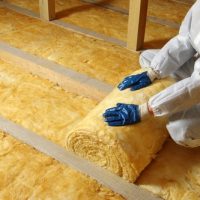
One of the primary services offered by insulation companies is professional insulation installation. They have highly trained and experienced technicians who specialize in properly installing various types of insulation materials. These professionals are knowledgeable about the best practices for installation and can ensure that the insulation is installed correctly, achieving the desired level of thermal resistance or R-value.
2. Energy Audits and Assessments
Insulation companies often offer energy audits and assessments to identify areas of your home where energy is being wasted and to determine the most effective insulation solutions. During an energy audit, a technician will thoroughly evaluate your home’s insulation levels, air leakage, and overall energy performance. By conducting blower door tests and thermal imaging, they can pinpoint areas with inadequate insulation or air leaks that are compromising your home’s energy efficiency.
3. Insulation Removal and Replacement
In some cases, insulation companies may also offer insulation removal and replacement services. If your home has old or damaged insulation, it may not be providing the level of energy efficiency and thermal comfort you desire. Insulation professionals can remove the old insulation and replace it with newer, more efficient materials, improving the overall performance of your home.
4. Air Sealing
Air sealing is an integral part of insulation installation. Insulation companies understand the importance of ensuring a tight building envelope to prevent air leakage and energy loss. They can identify and seal air leaks using techniques such as caulking, weatherstripping, and foam insulation. Proper air sealing can significantly reduce drafts, improve indoor air quality, and increase energy efficiency.
5. Vapor Barrier Installation
In certain areas with high humidity or moisture levels, insulation companies may recommend installing vapor barriers. Vapor barriers are moisture-resistant materials that prevent water vapor from infiltrating your walls and attic. By installing a vapor barrier, insulation professionals can help protect your home from issues like mold growth, rotting, and other moisture-related problems.
6. Soundproofing Solutions
Insulation companies may also provide soundproofing solutions for homeowners looking to reduce noise transmission in their homes. By installing soundproof insulation materials, professionals can minimize noise from outside sources such as traffic, neighbors, or nearby construction. Soundproofing can create a more peaceful and comfortable living environment, especially in areas with high levels of noise pollution.
7. Attic Insulation and Ventilation
Proper insulation and ventilation in your attic are crucial for maintaining a comfortable and energy-efficient home. Insulation companies specialize in assessing attic insulation levels and ensuring that proper insulation is installed. They can also evaluate and improve attic ventilation, which is essential for preventing moisture buildup, protecting against mold growth, and prolonging the lifespan of your roof.
8. Green and Sustainable Insulation Options
Insulation companies in Petaluma, CA, often offer environmentally friendly insulation options for homeowners who prioritize sustainability. These companies can recommend and install insulation materials made from recycled or renewable resources, such as cellulose, wool, or cotton. Green insulation not only reduces your carbon footprint but also provides excellent thermal performance.
Summary
Insulation companies in Petaluma, CA, offer a range of services aimed at enhancing the energy efficiency, comfort, and overall performance of your home. From professional insulation installation and energy assessments to insulation removal and replacement, air sealing, vapor barrier installation, soundproofing solutions, and attic insulation and ventilation, these companies provide the expertise and solutions needed to create a more energy-efficient and comfortable living environment. Whether you’re looking to reduce your energy bills, improve indoor air quality, or achieve a more sustainable home, insulation companies can help you achieve your goals.
Need Insulation in Petaluma, CA?
Since 2001, Ace Insulation Inc. has been your premier insulation experts. We take pride in being locally owned and operated as well as offering high-quality service. We specialize in the installation of insulation. Whether you are building a new home or renovating your existing space, we are the place to call. We have many materials to choose from, including fiberglass and spray foam. If you are looking for high-quality work, call us today to schedule your next consultation!
Insulating your home properly is fundamental to maintaining comfortable indoor temperatures and reducing energy consumption. However, with a variety of insulation options available, it can be challenging to determine which one is best suited for your needs. Each type of insulation comes with its own set of advantages and disadvantages that should be carefully considered before making a decision. In this blog, we will explore the pros and cons of different home insulation options to help you make an informed choice.
Fiberglass Insulation: Widely Used and Cost-Effective
Fiberglass insulation is one of the most popular choices for homeowners due to its affordability and accessibility. It is made of tiny glass fibers that trap air pockets, providing excellent thermal resistance. The advantages of fiberglass insulation include its fire-resistant properties, long lifespan, and resistance to moisture and mold. Additionally, it is easy to install and readily available in rolls or loose fill. However, fiberglass insulation has its drawbacks too. It can irritate the skin, eyes, and respiratory system during installation, making proper protective gear essential. It may also settle over time, reducing its effectiveness if not installed properly.
Cellulose Insulation: Eco-Friendly and Effective
Made from recycled materials like newspapers or cardboard, cellulose insulation is renowned for its eco-friendliness and thermal performance. It is treated with fire retardants, resulting in excellent resistance to flames. Cellulose insulation is particularly effective at reducing air infiltration and provides superior sound insulation as well. Its installation, whether in loose-fill or dense-packed form, often requires professionals due to proper equipment and techniques. While cellulose insulation offers excellent energy efficiency benefits, it can be more expensive than other insulation types. Additionally, it may settle over time, necessitating periodic inspections and maintenance.
Spray Foam Insulation: High R-Value and Air Sealing
Spray foam insulation has gained popularity in recent years due to its exceptional insulating properties and ability to seal air leaks effectively. It is typically made of polyurethane and comes in two types: open-cell and closed-cell. Open-cell spray foam is less dense and provides an air barrier while allowing some moisture to pass through. Closed-cell spray foam is denser and has a higher R-value, offering better thermal resistance and vapor barrier capabilities. The advantages of spray foam insulation include its ability to conform to irregular shapes, its long lifespan, and its resistance to mold and moisture. However, spray foam insulation is more expensive than other options, requires professional installation, and may release volatile organic compounds (VOCs) during installation.
Mineral Wool Insulation: Fire Resistant and Sound Absorbing
Mineral wool insulation, often referred to as rock wool or slag wool, is manufactured from molten rock or industrial waste byproducts. It is available as batts or loose fill, providing excellent thermal and sound insulation properties. Mineral wool insulation is non-combustible, offering superior fire resistance and acts as an effective barrier against heat transfer. It is also resistant to mold, pests, and rot. However, mineral wool insulation can be more expensive than fiberglass insulation, making it less cost-effective for large-scale projects. It can also be heavier and more difficult to handle, requiring proper precautions during installation.
Reflective Insulation: Effective in Hot Climates
Reflective insulation, also known as radiant barrier insulation, is designed to reduce heat transfer by reflecting radiant heat. It typically consists of foil-faced materials, such as foil laminated onto paper or plastic substrates. Reflective insulation is most effective in hot climates, where it can significantly reduce cooling costs. It is typically installed in attics, walls, and roofs to reflect radiant heat away from the home. The advantages of reflective insulation include its durability, low maintenance requirements, and long lifespan. However, reflective insulation has limited effectiveness in colder climates, where heat loss through radiation is less significant.
Choosing the Right Insulation for Your Home
When selecting insulation for your home, it’s crucial to consider several factors, including your climate, budget, personal preferences, and building structure. Consulting with insulation professionals or energy auditors can help evaluate your specific needs and identify the most suitable insulation option. By weighing the advantages and disadvantages of different insulation types, you can make an informed decision that enhances your home’s energy efficiency, comfort, and overall value. Remember, proper insulation is an investment that pays off in long-term energy savings and improved living conditions.
Need Insulation in Petaluma, CA?
Since 2001, Ace Insulation Inc. has been your premier insulation experts. We take pride in being locally owned and operated as well as offering high-quality service. We specialize in the installation of insulation. Whether you are building a new home or renovating your existing space, we are the place to call. We have many materials to choose from, including fiberglass and spray foam. If you are looking for high-quality work, call us today to schedule your next consultation!
Home insulation is something that every homeowner should consider as it has numerous benefits. It helps keep your home comfortable throughout the year, save energy, and reduce your energy bills. Insulating your home is also environmentally friendly as it reduces greenhouse gas emissions that are harmful to the environment. However, not all insulation is the same. There are different types of home insulation that are suitable for different types of homes and different climates. In this blog post, we’ll explore the different types of home insulation and their benefits.
1. Fiberglass Insulation
Fiberglass insulation is one of the most commonly used insulation types. It consists of glass fibers that are woven together to create a wool-like material. It’s versatile, can be installed in walls, ceilings, and floors, and comes in different sizes and thicknesses. Fiberglass insulation is affordable, durable, and easy to install using specialized equipment. It also has excellent sound-dampening properties, making it suitable for homes located in noisy areas such as near airports or busy roads.
2. Cellulose Insulation
Cellulose insulation is another popular choice for homeowners. It’s made of recycled newspapers and treated with fire retardants and chemicals to make it resistant to pests. It’s eco-friendly, inexpensive, and easy to install. Cellulose insulation has excellent thermal insulation properties, reducing heat transfer in your home. It’s also an excellent sound absorber, making it ideal for homes located in noisy areas.
3. Spray Foam Insulation
Spray foam insulation is a relatively new type of insulation, but it has gained massive popularity over the years. It’s manufactured from two chemicals: Isocyanates and Polyol resin, which are mixed together to create a foam-like material. Spray foam insulation is known for its excellent insulation qualities, reducing air leaks and heat transfer in your home. It’s ideal for fixing gaps, hard-to-reach areas, and it’s suitable for both new and existing homes. Spray foam insulation is a bit more expensive compared to other insulation types, but it’s durable and has high longevity.
4. Radiant Barrier Insulation
Radiant barrier insulation is a specialty insulation designed to reflect heat from the sun away from your home, making it ideal for homes located in hot climates. It’s made of a reflective material, usually foil, and is installed just below your roof. It’s easy to install and easy to maintain and can significantly reduce your energy bills during hot weather conditions.
5. Rigid Board Insulation
Rigid board insulation, also known as foam board insulation, is composed of foam boards made of polystyrene, polyisocyanurate, or polyurethane. It comes in different sizes and thicknesses and can be installed on walls, roofs, and floors. Rigid board insulation has excellent thermal insulation properties, can easily conform to irregular surfaces, and is ideal for basement and crawl space insulation.
6. Reflective Insulation
Reflective insulation, also known as foil insulation, is designed to reflect heat, making it ideal for hot climates. It’s made of a reflective material such as aluminum foil, and most times, it’s combined with other insulation types such as fiberglass. Reflective insulation can be installed in walls, roofs, and floors, and has excellent thermal insulation properties.
7. Blown-in Insulation
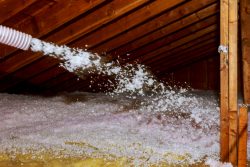
Blown-in insulation, also known as loose-fill insulation, is flexible and can be made of different materials such as cellulose, fiberglass, or mineral wool. It’s blown into wall cavities, attics, and spaces using specialized equipment. Blown-in insulation has excellent thermal insulation properties, is easy to install, and suitable for hard-to-reach areas.
Final Thoughts
In conclusion, home insulation is essential for every homeowner. It helps keep your home comfortable throughout the year while reducing your energy bills. However, it’s essential to choose the right type of insulation for your home and your climate. Fiberglass insulation, cellulose insulation, spray foam insulation, radiant barrier insulation, rigid board insulation, reflective insulation, and blown-in insulation are the different types of home insulation available. Speak to a professional insulation contractor to help you make the right choice for your home.
Areas Served
Proudly providing residential and commercial insulation installation to Petaluma, CA and the surrounding areas including:
Certificate of Approved Applicator from SWD, approved to install quik-shield polyurethane foam and coating products in residential and commercial applications according to the standards and guidelines as set forth by SWD Urethane

 When it comes to creating a comfortable living environment, one of the key factors is maintaining a consistent temperature inside your home. Fluctuating temperatures can not only make your living spaces uncomfortable but also lead to higher energy bills. Strategic insulation is a solution that can help you achieve the desired temperature equilibrium throughout your home. In this blog post, we will discuss the importance of insulation and how it can help you maintain a consistent temperature.
 Noise pollution can be a major source of stress and discomfort, especially when you’re trying to relax or concentrate in your own home. Fortunately, there’s a solution that not only helps to regulate temperature but also reduces noise pollution – insulation. In this blog, we’ll explore how insulation can effectively reduce noise pollution in your home.
 If you live in Petaluma, CA, and are considering improving the energy efficiency of your home, you may have come across the services provided by insulation companies. Insulation companies play a crucial role in helping homeowners enhance the comfort, energy efficiency, and overall performance of their homes. But what exactly do insulation companies do? Let’s take a closer look at the services provided by